Unlock Your Creativity: Top Free Interior Design Apps to Transform Your Space
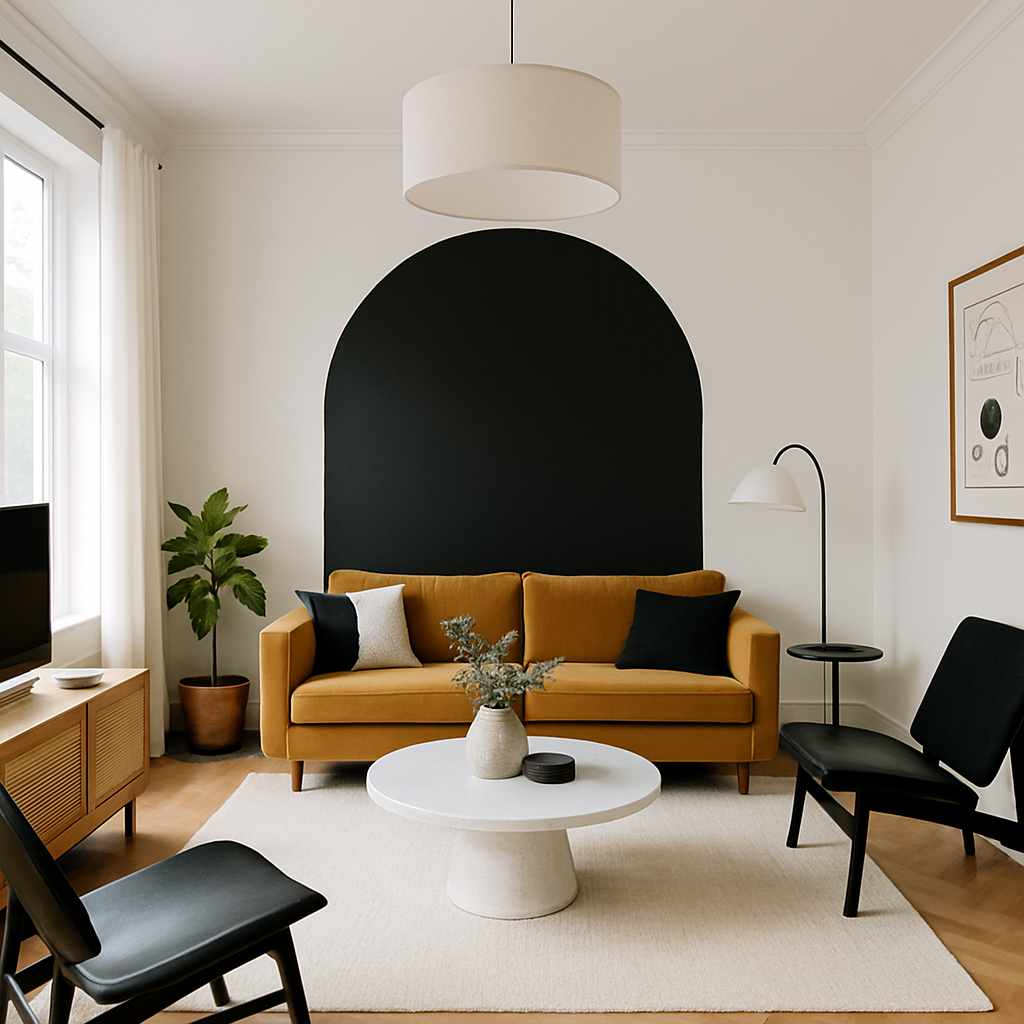
Imagine standing in your living room, overwhelmed by its potential yet unsure where to begin. You're not alone; countless homeowners face this dilemma. According to a Houzz survey, 80% of homeowners feel stuck at the start of a design project. The good news? You can now access powerful interior design tools directly from your smartphone. This article will explore the top free apps that can help you visualize, plan, and execute your perfect space, whether you're tackling a room redesign or a full-home makeover. We'll dive into essential concepts, data-driven insights, and practical strategies that will empower you to bring your creative visions to life.
Understanding Interior Design Apps: A Foundation
In the realm of interior design, technology has become an indispensable ally. The advent of free interior design apps has revolutionized how we approach home transformation. These apps, often equipped with augmented reality (AR) and virtual reality (VR) capabilities, allow users to visualize changes in real-time. For instance, apps like Roomstyler 3D Home Planner enable users to create 3D models of their spaces, adding furniture and decor with a simple drag-and-drop interface. This functionality is not just a novelty; it fundamentally changes how we interact with our spaces. By visualizing potential changes before making financial commitments, homeowners can make more informed decisions.
But what makes these apps truly transformative? The answer lies in their accessibility and user-friendly interfaces. Traditionally, interior design tasks required extensive knowledge and skill. Today, apps like Planner 5D democratize design by offering intuitive tools that anyone can use, regardless of experience level. This opens up opportunities for creativity and experimentation, allowing users to explore different styles and layouts without fear of costly mistakes. This shift empowers users to take control of their design projects, fostering a sense of ownership and creativity.
Moreover, these apps offer a practical solution to common design challenges. For example, Houzz provides access to a vast database of products and materials, allowing users to shop directly through the app. With integrated pricing and product reviews, users can compare options and make budget-conscious choices. The convenience of having these resources at one's fingertips cannot be overstated. As we explore deeper, you'll see how data-driven insights further enhance the effectiveness of these apps.
The Power of Data in Design: Insights and Analysis
The integration of data within interior design apps is a game-changer. Industry data shows that 60% of homeowners experience decision fatigue when selecting materials and finishes. By leveraging data analytics, apps like Homestyler provide users with personalized recommendations based on their preferences and past interactions. This approach not only streamlines the design process but also enhances user satisfaction by delivering results that align with individual tastes and budgets.
In addition, apps equipped with data-driven features can track trends and predict emerging styles. For example, the rise of biophilic design-emphasizing natural materials and connectivity with nature-has been swiftly adopted by apps like Morpholio Board. These platforms analyze global design trends and provide users with curated content that reflects current aesthetics. This ensures that users remain at the forefront of design innovation, making informed choices that resonate with the latest trends.
Furthermore, data analytics help users optimize space use. Apps like MagicPlan utilize spatial data to create accurate floor plans, helping homeowners visualize how their spaces can be maximized for both function and aesthetics. By providing detailed measurements and layout options, these apps enable users to experiment with different configurations, ultimately achieving a harmonious balance between style and practicality. As we move forward, we'll explore actionable strategies to apply these insights effectively.
Actionable Strategies for Using Design Apps
To make the most of free interior design apps, it's essential to approach them with a strategic mindset. Begin by clearly defining your project goals. Are you looking to refresh a single room or undertake a comprehensive home redesign? By establishing your objectives, you can select the most suitable app features that align with your needs. For instance, if you're focusing on a specific room, an app like Room Planner by IKEA can provide tailored solutions with its extensive library of IKEA products.
Next, take advantage of the AR and VR capabilities offered by many apps. These tools allow you to visualize changes in your space in real-time, providing a realistic sense of scale and proportion. Imagine trying out different paint colors or furniture arrangements without physically moving anything. This not only saves time and effort but also reduces the risk of costly errors. The ability to "test drive" your design choices is an invaluable benefit that shouldn't be overlooked.
Finally, engage with the app's community features. Many platforms, such as Houzz, offer forums and user groups where you can share ideas, seek advice, and gain inspiration from other users. Participating in these communities can provide fresh perspectives and innovative solutions that you may not have considered. As you incorporate these strategies, it's crucial to also delve into expert-level details that enhance your design journey.
Expert-Level Details: Navigating Design Challenges
Experienced professionals often note that a successful design project hinges on understanding scale and proportion, a principle that is effectively addressed by interior design apps. For example, professionals use apps like SketchUp to create detailed 3D models that account for spatial relationships. This level of detail helps ensure that furniture and decor fit harmoniously within a space, avoiding common pitfalls such as overcrowding or imbalance.
Another critical aspect is the selection of color schemes, which plays a significant role in the overall ambiance of a room. Apps like ColorSnap by Sherwin-Williams allow users to experiment with different palettes, providing real-time visual feedback. This capability empowers users to choose colors that complement their existing decor, enhancing the room's visual appeal and cohesion. Understanding the psychological impact of colors can further refine your choices, creating spaces that evoke the desired mood and atmosphere.
Moreover, navigating budget constraints is a common challenge in design projects. Many apps include budgeting tools that track expenses and offer cost-effective alternatives. For instance, Home Design 3D provides a budgeting feature that helps users manage their expenditures by suggesting more affordable materials and furnishings. By leveraging these tools, you can maintain control over your budget while achieving your design aspirations. As we continue, let's explore additional depths in the design process.
The Role of Certifications and Credentials
While free interior design apps offer remarkable capabilities, understanding the credentials of the professionals behind these tools can enhance their utility. Certified interior designers often hold credentials such as NCIDQ (National Council for Interior Design Qualification) or are members of organizations like ASID (American Society of Interior Designers). These certifications ensure that professionals have met rigorous standards and possess a comprehensive understanding of design principles.
Collaborating with certified designers through app platforms can provide additional insights and guidance. For example, platforms like Houzz Pro connect users with credentialed designers who can offer personalized consultations. This access to professional expertise can refine your design approach, ensuring that your project adheres to best practices and industry standards.
Moreover, these collaborations can illuminate new design avenues, introducing you to concepts such as sustainable materials or smart home integrations. As you navigate the design process, leveraging the expertise of certified professionals can elevate your project from concept to execution, ensuring a cohesive and polished result. In the final section, we'll wrap up with concluding thoughts and a call to action.
Final Perspectives on Interior Design Apps
As we reflect on the transformative power of free interior design apps, it's clear that these tools have democratized the design process, making it accessible to anyone with a smartphone. The ability to visualize, plan, and execute design projects with precision and creativity is now within reach. Whether you're a novice or an experienced DIY enthusiast, these apps offer the resources and guidance needed to transform your space.
The key to success lies in harnessing the full potential of these apps-utilizing their features to explore new ideas, solve spatial challenges, and create environments that reflect your unique style and personality. As you embark on your design journey, remember that the tools are merely a starting point. Your creativity, vision, and willingness to experiment will ultimately bring your space to life. Let's conclude with actionable steps you can take today.
Conclusion
The world of interior design has never been more accessible, thanks to the proliferation of free apps that put powerful tools at your fingertips. By leveraging these platforms, you can unlock your creativity and transform your living spaces into reflections of your personal taste and lifestyle. As you explore these apps, remember to set clear goals, utilize community insights, and consider professional collaborations to enhance your project outcomes.
Ready to get started? Begin by downloading a few of the apps mentioned, such as Roomstyler or Houzz, and spend some time experimenting with their features. Start by browsing portfolios on Houzz this week- even 20 minutes of research will sharpen your eye for what you want. With the right tools and a little inspiration, your dream space is well within reach. Happy designing!



Comments
Post a Comment