Understanding Interior Design: A Beginner's Guide to Transforming Your Space
Have you ever walked into a room and instantly felt a sense of peace and beauty? According to Houzz's annual survey, well-designed interiors can increase a home's resale value by 5-15%. This compelling statistic highlights the power of interior design not only to enhance our day-to-day living but also to add significant value to our homes. Whether you're looking to refresh a single room or embark on a comprehensive home makeover, understanding the fundamentals of interior design is crucial. This guide will walk you through essential concepts, actionable strategies, and expert insights to transform your space into a functional and aesthetically pleasing environment.
Foundational Concepts of Interior Design
At its core, interior design is about creating spaces that are both functional and visually appealing. It involves a balanced mix of aesthetics, ergonomics, and usability. According to the American Society of Interior Designers (ASID), good design should cater to the needs of its occupants, improving their quality of life. This means understanding how each room in your home is used daily. For instance, a living room might serve as a family gathering spot, while a home office demands a clutter-free environment to boost productivity.
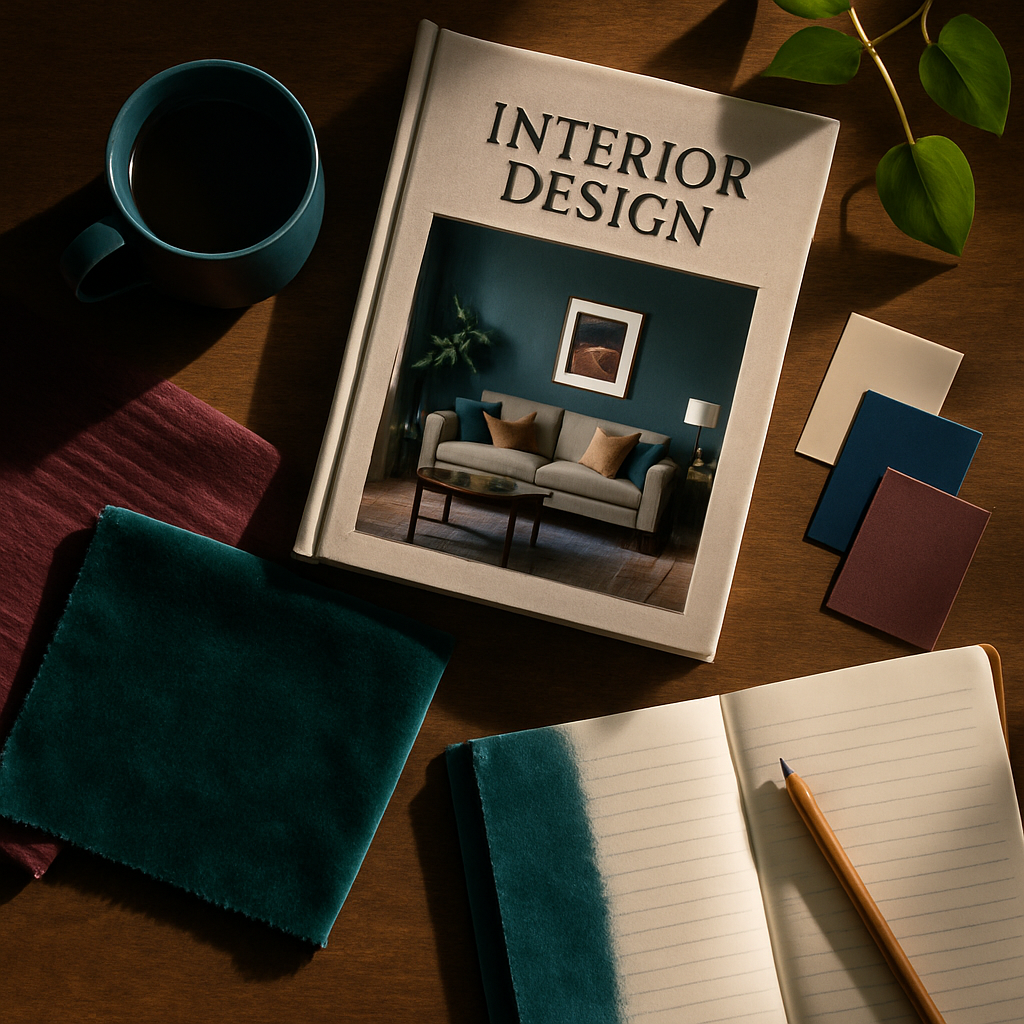
Color theory is another foundational aspect. Colors affect mood and perception, making it essential to choose hues that resonate with your personal style and the room's purpose. For instance, blues and greens can evoke calmness, ideal for bedrooms, while brighter shades like yellows and oranges can energize spaces like kitchens or playrooms. Understanding this theory allows you to create a cohesive and inviting atmosphere throughout your home.
Lastly, the principles of balance, contrast, and harmony are pivotal in design. Balance refers to the distribution of visual weight in a room, which can be symmetrical or asymmetrical. Contrast adds interest by juxtaposing different colors, textures, or shapes, while harmony is about creating a sense of unity. Together, these principles help create spaces that are aesthetically pleasing and functionally effective. As you delve deeper into interior design, you'll find that mastering these concepts is the first step to transforming your space.
The Role of Data in Interior Design
In today's data-driven world, interior design is no exception. Industry surveys suggest that understanding demographic data and lifestyle trends can significantly impact design decisions. For instance, Houzz's survey data reveals that 85% of homeowners prioritize functionality over aesthetics. This insight pushes designers to focus on practical solutions, such as integrating multifunctional furniture and optimizing storage spaces.
Another critical data point is budget allocation. The same Houzz survey indicates that homeowners often underestimate project costs, with the average budget for a single room redesign ranging from $5,000 to $15,000. Being aware of these figures allows you to plan more effectively, avoiding financial pitfalls while ensuring that your space receives the attention it needs. Are you prepared to invest in your home's design and see the potential return on investment?
Technology is also reshaping the design landscape. Platforms like Pinterest and Instagram have become invaluable for gathering inspiration and understanding popular trends. Additionally, emerging tools like AR/VR room visualization enable homeowners to virtually walk through design concepts, making informed decisions before committing to physical changes. Experienced professionals often note that these technologies enhance client satisfaction by bridging the gap between vision and reality. As you consider your design project, how might these data-driven insights shape your approach?
Actionable Strategies for Transforming Your Space
Transforming your space starts with a comprehensive plan. Begin by assessing the current state of each room, noting what works and what doesn't. Create a mood board using platforms like Houzz or Pinterest to visualize your ideas and inspirations. This approach not only clarifies your vision but also helps communicate it effectively to professionals if you choose to hire them. Have you explored these platforms to see the endless possibilities for your home?
Next, consider your budget and prioritize areas that need the most attention. Allocating funds wisely ensures that you address essential aspects first, such as structural changes or major furnishings. Remember, a well-thought-out budget can prevent overspending and allow room for unexpected expenses. If you're unsure where to start, breaking down the project into phases can make the process more manageable. Concept development, design presentation, procurement, installation, and styling are typical phases to consider.
Finally, embrace sustainable design choices. The industry is seeing a shift towards eco-friendly materials and energy-efficient solutions. Opt for reclaimed wood, low-VOC (volatile organic compounds) paints, and energy-saving appliances to minimize your environmental impact. Not only do these choices contribute to a healthier home, but they also align with modern design trends that emphasize sustainability. By incorporating these strategies, you'll be well on your way to transforming your space into a thoughtful and inspiring environment.
Expert-Level Insights into Interior Design
For those looking to delve deeper, understanding the distinction between decorators and certified interior designers is crucial. Certified interior designers often hold credentials like the NCIDQ (National Council for Interior Design Qualification), which ensures they meet industry standards in design knowledge and ethics. Hiring a certified professional can provide peace of mind, especially for complex projects that require structural changes or detailed planning.
Moreover, fee structures can vary significantly. Interior designers may charge a flat fee, an hourly rate ranging from $150 to $500, or a percentage of the total project cost, typically between 10-25%. Understanding these options allows you to choose a payment structure that aligns with your budget and expectations. Transparency in fees and services is key to a successful designer-client relationship.
Experienced professionals often emphasize the importance of communication throughout the design process. Regular updates, feedback sessions, and collaborative decision-making ensure that the project stays on track and meets your vision. By actively engaging with your designer, you can contribute valuable input and ensure that your space truly reflects your personality and lifestyle. As you consider hiring a professional, how will you ensure a productive partnership?
Exploring Additional Depth in Design
Diving into specific design styles can provide further inspiration and direction for your project. Japandi, a fusion of Japanese minimalism and Scandinavian warmth, has gained popularity for its clean lines and cozy aesthetics. This style emphasizes simplicity, functionality, and a connection to nature, making it ideal for those seeking a serene and uncluttered environment.
Biophilic design is another trend gaining traction, focusing on incorporating natural elements into interiors. This approach can include living walls, large windows for natural light, and the use of natural materials like stone and wood. Studies have shown that biophilic design can improve well-being and productivity by strengthening our connection to the natural world. How might these styles influence the way you envision your space?
Finally, smart home integration is reshaping the design landscape. Automated lighting, climate control, and window treatments offer convenience and energy efficiency. As these technologies become more accessible, they are increasingly included in design plans to enhance both functionality and comfort. By exploring these advanced options, you can future-proof your home and enjoy the benefits of a smart and stylish environment.
Final Perspectives on Interior Design
As you embark on your interior design journey, it's essential to remember that the process is as important as the final result. Taking the time to understand your needs, preferences, and budget will pave the way for a successful project. Whether you're a DIY enthusiast or planning to work with a professional, the knowledge gained from this guide will serve as a valuable foundation.
Interior design is not just about creating beautiful spaces; it's about enhancing the way you live. By applying the concepts and strategies discussed, you can transform your home into a place that reflects your personality and supports your lifestyle. As you move forward, consider how each decision contributes to the bigger picture of your ideal living environment.
Ultimately, the journey of transforming your space is about creating a home that resonates with you. With the right approach, your space can become a sanctuary that brings joy and functionality to your everyday life. What's your next step in this exciting transformation?
Conclusion
In summary, understanding the fundamentals of interior design is key to transforming your space into a functional and beautiful haven. From foundational concepts to expert-level insights, each element plays a crucial role in achieving your vision. Remember to utilize data-driven insights, explore actionable strategies, and consider professional guidance when necessary.
As you take these next steps, start by browsing portfolios on platforms like Houzz or Instagram this week. Even 20 minutes of research will sharpen your eye for what you want and clarify your design goals. By actively engaging with the design process, you can create a home that not only meets your needs but also exceeds your expectations. Are you ready to embark on this transformative journey?



Comments
Post a Comment