Transform Your Space: Why an Online Interior Design School is Your Best Bet
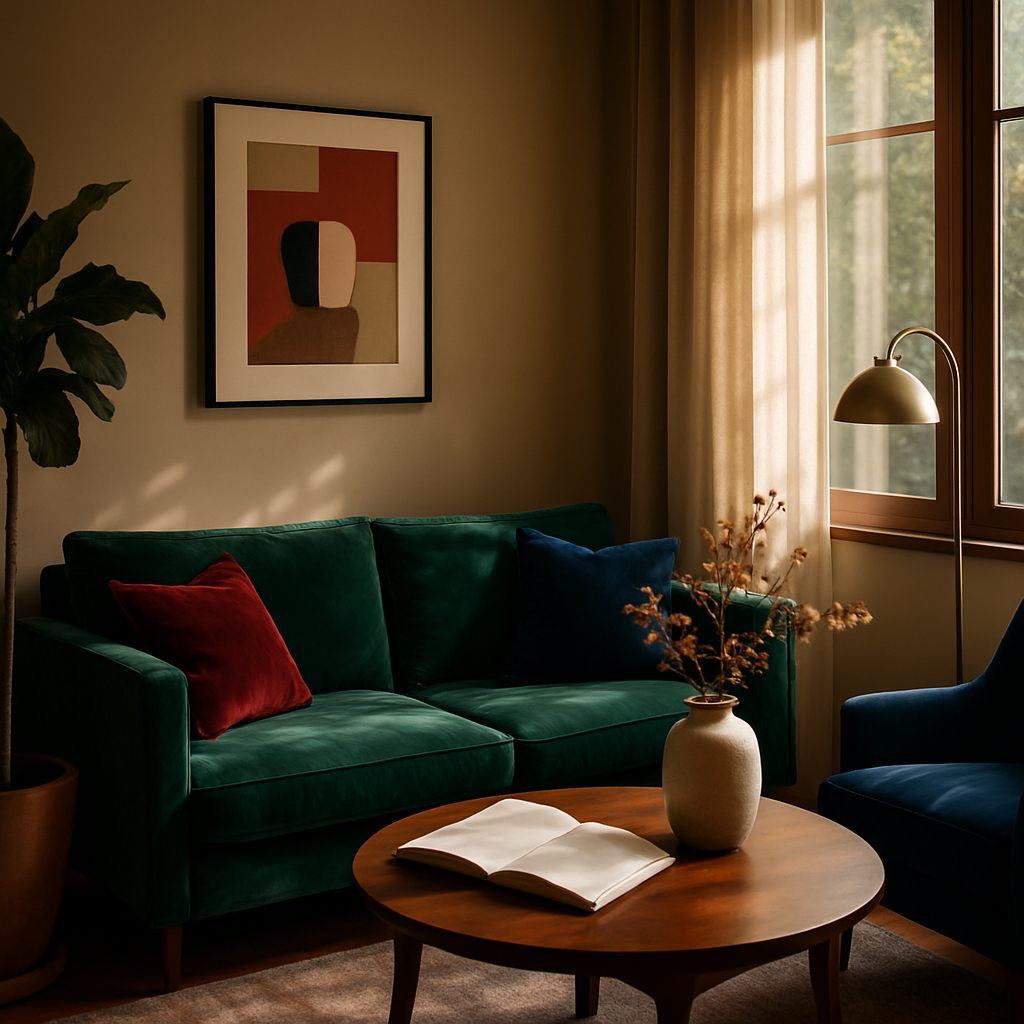
Imagine walking into a room and feeling an immediate sense of harmony and beauty. This isn't just the magic of a talented designer; it could be the result of skills honed through an online interior design school. In recent years, these digital academies have surged in popularity, offering aspiring designers a flexible and comprehensive education. With many people now opting to learn from home, online interior design schools provide an accessible pathway to mastering the art of creating aesthetically pleasing and functional spaces. This article will explore the foundational benefits of online design education, delve into the data supporting its effectiveness, offer actionable strategies for choosing the best programs, and provide expert insights to enhance your learning experience.
The Foundation of Online Interior Design Education
Online interior design schools offer a robust curriculum that covers the essentials of design principles, color theory, and space planning. These programs are typically structured to guide students from basic concepts to more advanced techniques, ensuring a comprehensive understanding of the field. Most courses are led by experienced instructors who provide valuable feedback and guidance, mirroring the quality of in-person education. Notably, institutions like the New York School of Interior Design and the Rhode Island School of Design have developed online programs that maintain their rigorous standards, ensuring that students receive a top-tier education.
One of the primary advantages of online education is its flexibility. Students can learn at their own pace, accommodating those who may be balancing work, family, or other commitments. This flexibility allows for a personalized learning experience, where you can spend more time on challenging topics and accelerate through areas where you feel confident. Moreover, online platforms often offer interactive components such as virtual workshops, community forums, and one-on-one sessions with instructors, fostering a collaborative and supportive learning environment.
Online interior design programs are also more accessible from a financial standpoint. Traditional in-person education can be costly, with tuition fees, commuting expenses, and material costs adding up. In contrast, online courses typically have lower tuition rates, and students can save on additional expenses. According to a report by the National Center for Education Statistics, online education can reduce costs by up to 30% compared to traditional learning methods. This affordability opens doors for many aspiring designers who might otherwise be deterred by the high cost of education.
Data-Driven Insights into Online Design Education
The effectiveness of online interior design schools is backed by compelling data. For instance, a study by the U.S. Department of Education found that students in online learning conditions performed modestly better, on average, than those receiving face-to-face instruction. This performance boost can be attributed to the self-directed nature of online learning, which encourages students to take control of their education and engage more deeply with the material.
Furthermore, online programs often integrate cutting-edge technologies that enhance the learning experience. Many schools use AR/VR tools to simulate real-world design scenarios, allowing students to experiment with different layouts and styles in a virtual environment. This hands-on approach not only solidifies theoretical knowledge but also builds practical skills that are directly applicable in the field. Experienced professionals often note that familiarity with such technologies is increasingly important as smart home integration and virtual design consultations become more prevalent in the industry.
In addition to technological advantages, online interior design schools provide access to a global network of peers and professionals. Platforms like Houzz and Architectural Digest's AD PRO network offer students the opportunity to connect with industry leaders and fellow designers worldwide. These connections can lead to collaborations, mentorship opportunities, and even job placements, significantly enhancing career prospects. As the global interior design market continues to grow, having a diverse and expansive network is invaluable.
Actionable Strategies for Choosing the Right Program
When selecting an online interior design school, it's crucial to consider several factors to ensure you choose the best fit for your goals. Start by researching programs accredited by reputable organizations such as the National Council for Interior Design Qualification (NCIDQ) or the International Interior Design Association (IIDA). Accreditation ensures that the curriculum meets industry standards and that your qualification will be recognized by employers.
Next, evaluate the course structure and content. Look for programs that offer a balance of theory and practical application, covering essential topics like design history, sustainable materials, and current trends such as biophilic design and Japandi. Consider whether the school offers interactive components, such as live webinars or virtual studio sessions, which can enhance your learning experience by providing opportunities for real-time feedback and interaction.
Finally, assess the support services offered by the school. A strong online program should provide access to career services, such as portfolio reviews and job placement assistance. Additionally, check if the school offers resources for building a professional portfolio, as this is a critical tool for showcasing your skills to potential clients or employers. By carefully considering these factors, you can select a program that aligns with your career aspirations and learning style.
Expert Perspectives on Online Interior Design Schools
Industry experts emphasize the importance of developing a strong portfolio and network as part of your online education journey. Portfolios are not just a collection of your work; they are a reflection of your design philosophy and creative vision. Platforms like Instagram and Pinterest can be useful for inspiration and portfolio building, allowing you to showcase your work to a broader audience and receive feedback from peers and professionals.
Additionally, engaging with professional organizations such as the American Society of Interior Designers (ASID) can provide valuable opportunities for networking and professional development. ASID offers student memberships that include access to industry events, workshops, and a directory of certified designers. These resources can help you stay informed about the latest trends and best practices in interior design, enhancing your credibility and marketability.
Experienced professionals often highlight the importance of continuous learning and adaptation in the design field. As trends and technologies evolve, staying updated is crucial to maintaining a competitive edge. Online interior design schools are well-positioned to offer ongoing education, with many programs offering advanced courses and workshops for alumni. By embracing lifelong learning, you can ensure that your skills remain relevant and that you continue to grow as a designer.
Additional Depth: Leveraging Technology in Design Education
Technology plays a pivotal role in modern interior design education, particularly in online programs. The use of AR/VR tools in coursework allows students to visualize and manipulate design elements in real-time, providing a deeper understanding of spatial relationships and design impact. This technological integration not only enhances learning but also prepares students for a tech-savvy industry where smart home systems and automated design solutions are becoming the norm.
Moreover, online platforms often include project management and collaboration tools that mirror real-world design processes. Programs like Trello or Asana are commonly used in coursework to simulate client-designer interactions and project timelines. This practical experience is invaluable, as it equips students with the skills needed to effectively manage design projects and communicate with clients.
The rise of digital portfolios is another significant development. Online interior design schools typically encourage students to create digital portfolios, which can be easily updated and shared with potential employers or clients. This modern approach to showcasing work not only reflects current industry practices but also allows for greater creativity and flexibility in presentation. As you advance in your design career, having a dynamic, easily accessible portfolio can set you apart from competitors.
Final Perspectives on the Future of Design Education
As the interior design industry continues to evolve, the role of online education in shaping future designers is increasingly significant. The flexibility, accessibility, and innovative use of technology make online interior design schools an attractive option for aspiring designers worldwide. These programs not only provide foundational knowledge but also offer the tools and resources needed to succeed in a competitive field.
Looking forward, it's clear that the integration of technology and global connectivity will continue to transform interior design education. As online platforms expand their offerings and more students embrace digital learning, the potential for innovation and creativity in design education is limitless. Whether you're just starting your design journey or looking to enhance your existing skills, online interior design schools offer a compelling pathway to achieving your goals.
Are you ready to take the next step in your design career? With the insights and strategies outlined in this article, you're well-equipped to embark on an educational journey that can transform your skills and opportunities in the world of interior design.
Conclusion
In summary, online interior design schools provide a flexible, cost-effective, and comprehensive education that prepares students for success in the dynamic field of interior design. From foundational concepts to advanced technologies, these programs offer the tools and resources needed to thrive in a competitive industry. As you consider your educational options, remember to evaluate accredited programs, explore interactive learning opportunities, and leverage technology to enhance your skills.
The future of interior design is bright, and online education is at the forefront of this transformation. Start by exploring programs on platforms like Houzz or connecting with professionals through ASID. Even dedicating just a few hours a week to researching and enrolling in an online course can set the stage for a rewarding career in design. Are you ready to transform your space and your future? Begin your journey today and watch your design skills flourish.


Comments
Post a Comment