Transform Your Space: Top Interior Design Studio Trends
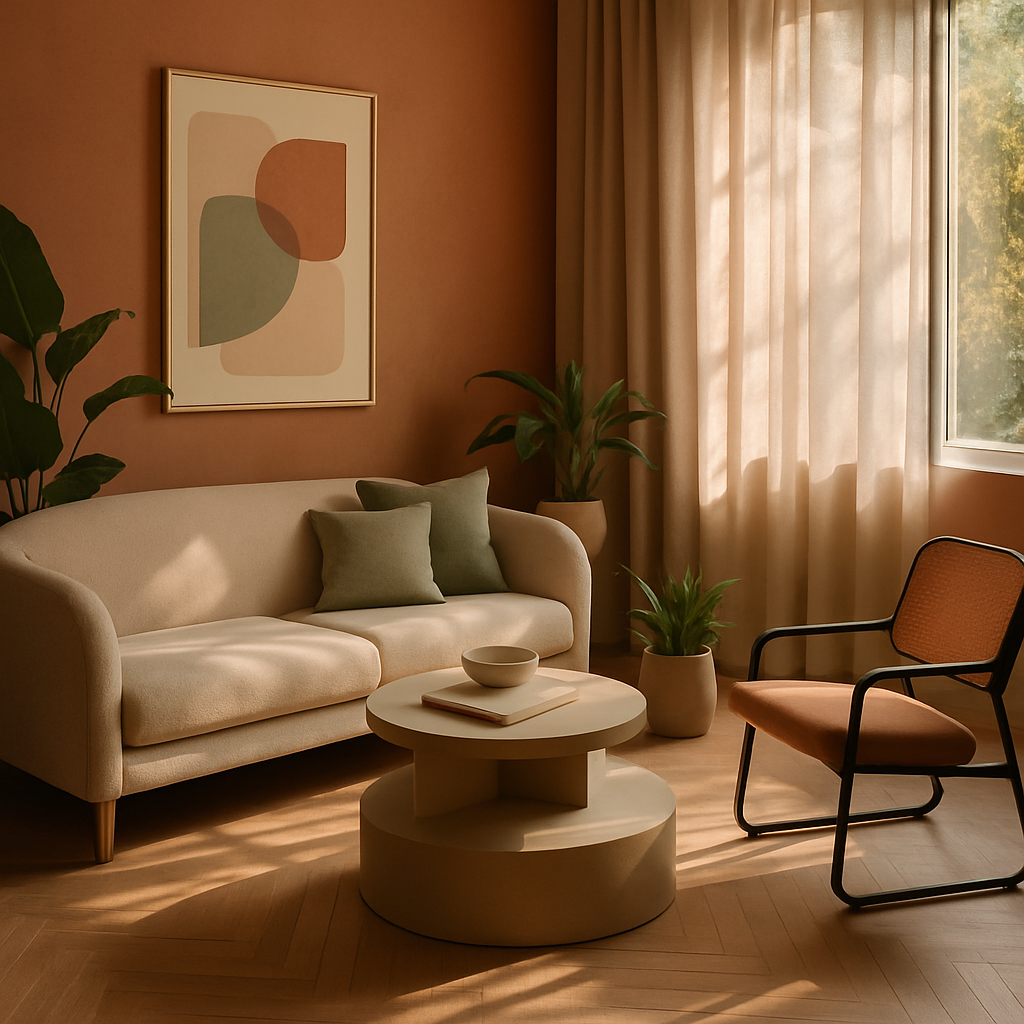
Have you ever walked into a room and felt instantly at ease, as if the space was speaking directly to your soul? Such is the power of thoughtful interior design. According to Houzz, homeowners who invest in professional design services often see a 5-15% increase in their property's resale value, underscoring the financial and emotional value of well-designed interiors. As 2023 unfolds, several transformative trends are sweeping through interior design studios worldwide. This guide will explore these trends, offering you actionable strategies to incorporate them into your own home. From embracing biophilic design and quiet luxury to integrating smart technology, we'll delve into the specifics that can elevate your living space to new heights.
Foundational Concepts in 2023 Interior Design
One of the most compelling trends in today is the rise of biophilic design, which emphasizes the integration of natural elements into our living spaces. This approach goes beyond merely placing a few potted plants around the house; it involves using natural materials like wood and stone, incorporating living walls, and creating a seamless indoor-outdoor flow. Research from the American Society of Interior Designers (ASID) suggests that biophilic design not only enhances aesthetic appeal but also improves mental health by reducing stress and increasing creativity.
Another foundational trend is the concept of quiet luxury, which prioritizes understated elegance over ostentatious displays. This involves selecting high-quality materials and craftsmanship, focusing on subtle textures, and opting for a neutral color palette. Experienced professionals often note that quiet luxury creates a calming environment, which is increasingly sought after in today's fast-paced world. By embracing this trend, homeowners can create a sanctuary that promotes relaxation and well-being.
Finally, the use of sustainable and reclaimed materials continues to gain momentum. As awareness of environmental issues grows, more homeowners are seeking out eco-friendly materials that minimize the carbon footprint of their homes. According to the International Interior Design Association (IIDA), using reclaimed wood, recycled metals, and other sustainable resources not only helps the environment but also adds unique character and history to a space. These foundational concepts can set the stage for a deeply personal and environmentally conscious design.
With these foundational trends in mind, the next section will explore how data and deeper analysis can further refine your understanding of 2023's interior design landscape.
Deeper Analysis with Data
Interior design is as much about art as it is about science. The annual Houzz survey reveals that 74% of homeowners prioritize functional layouts over purely aesthetic considerations. This data underscores the importance of a well-thought-out design plan that considers both form and function. For instance, a living room that looks stunning in photographs might not serve its purpose if it lacks comfortable seating or sufficient lighting for reading.
In 2023, the integration of smart home technology is becoming a critical component of interior design. Automated lighting systems, climate control, and smart window treatments are no longer just luxury items but essential features that enhance convenience and energy efficiency. The National Council for Interior Design Qualification (NCIDQ) highlights that these technologies can significantly reduce energy consumption, leading to lower utility bills and a reduced environmental impact. Are you considering smart home features for your next project?
Furthermore, the trend towards smaller, multifunctional spaces is being driven by urban living constraints and changing lifestyle needs. According to ASID research, 60% of designers report an increase in demand for flexible spaces that can easily transition between uses, such as home offices that double as guest rooms. This trend requires innovative solutions, like foldable furniture and modular shelving systems, to maximize the utility of every square foot. With data-backed insights, you can make informed decisions that align with both your lifestyle and design aspirations.
Armed with this analysis, you are now ready to explore actionable strategies that will help you incorporate these trends into your home.
Actionable Strategies for Your Home
Implementing the latest interior design trends in your home doesn't have to be overwhelming. Begin by mapping out how you actually use each room. Identify key activities, such as where you relax, work, and entertain, to ensure the design supports your daily life. This practical approach ensures that your space is not only beautiful but also functional. Consider creating a mood board using platforms like Pinterest to visualize your ideas and refine your style.
When incorporating biophilic elements, start small with indoor plants that suit your space and climate. For those ready to make a more significant change, consider installing a living wall or using natural materials for flooring and countertops. These elements can transform a room, making it feel more connected to nature. Are there specific natural elements you're drawn to?
To embrace quiet luxury, focus on decluttering and investing in fewer but higher-quality pieces. Opt for furniture and decor with timeless appeal that will stand the test of time. Neutral colors, soft textiles, and elegant finishes can create a serene atmosphere. Remember, the key to quiet luxury is subtlety-every piece should add value without overwhelming the senses. By following these strategies, you can create a home that reflects the best of 2023's design trends.
Now that you have a few strategies under your belt, let's delve deeper into expert insights that can elevate your design projects.
Expert-Level Insights for Design Success
Experienced interior designers often emphasize the importance of a cohesive design narrative. This means ensuring that every element in a room tells part of a larger story that reflects your personality and lifestyle. The NCIDQ credential is a mark of professionals who excel in creating such narratives, demonstrating their ability to blend aesthetics with functionality seamlessly.
An emerging tool in the designer's arsenal is the use of AR and VR for room visualization. These technologies allow you to virtually walk through your redesigned space before any physical changes are made, offering a realistic preview of the end result. Architectural Digest's AD PRO network reports that designers using these tools see higher client satisfaction and reduced project revisions. Have you considered using AR or VR to visualize your next design project?
Additionally, understanding the financial aspects of interior design can lead to more successful outcomes. Different fee structures, such as flat fees, hourly rates, and percentage of project costs, can significantly impact your budget. Knowing that a full-home redesign can range from $50,000 to $150,000+ helps set realistic expectations and ensures you align with a designer whose expertise matches your financial scope. With these insights, you are better equipped to navigate the complexities of interior design.
Having covered expert insights, let's move on to additional details that can further enhance your design knowledge and execution.
Additional Depth on Design Execution
One aspect often overlooked by homeowners is the importance of the design process itself. This typically includes phases such as concept development, design presentation, procurement, installation, and styling. Each phase plays a crucial role in bringing your vision to life and requires careful planning and collaboration with your designer. The American Institute of Architects (AIA) recommends a clear timeline and regular communication to avoid common pitfalls and delays.
Moreover, the importance of lighting cannot be overstated. It is essential to consider both natural and artificial lighting sources to create a balanced and inviting atmosphere. Layered lighting, which includes ambient, task, and accent lighting, can add depth and dimension to a room. Houzz suggests that well-executed lighting schemes can dramatically enhance the mood and functionality of a space.
Finally, don't underestimate the power of personal touches. Incorporating elements that reflect your personality, such as artwork, family heirlooms, or travel souvenirs, can make your space uniquely yours. These items not only add character but also serve as conversation starters, enriching your home's narrative. With these additional details in mind, you're well on your way to mastering the art of interior design.
As we conclude, let's wrap up with some final perspectives on transforming your space in 2023.
Final Perspectives on Transforming Your Space
As you embark on your interior design journey, remember that the goal is to create a space that resonates with who you are while embracing contemporary trends. The integration of biophilic elements, quiet luxury, and smart technology doesn't just elevate your home's aesthetic-these elements enhance your overall quality of life. Whether you're updating a single room or undertaking a full-home redesign, staying informed about the latest trends and industry practices ensures your project will be both beautiful and functional.
Consider engaging with professional platforms like Houzz and ASID to explore designer portfolios and gather inspiration. These resources can provide valuable insights and help you connect with certified professionals who can bring your vision to fruition. Are you ready to take the next step and transform your living space?
Having explored final perspectives, we'll conclude with a summary and actionable steps you can take to begin your design transformation.
Conclusion
In conclusion, 2023's top interior design studio trends offer exciting opportunities to transform your home into a space that is both stylish and functional. By embracing biophilic design, quiet luxury, and smart technology, you can create an environment that enhances your daily life and boosts your property's value. Remember, the key to successful design lies in thoughtful planning and execution, supported by expert insights and data-driven strategies.
To start your transformation journey, browse portfolios on platforms like Houzz or connect with NCIDQ-certified professionals to discuss your project. Even 20 minutes of research today can sharpen your vision and provide clarity on your design direction. Are you ready to take the plunge and create a space that truly reflects your lifestyle and aspirations? Begin your design journey now, and watch as your space transforms before your eyes.



Comments
Post a Comment