Transform Your Space: The Latest Trends in Luxury Interior Design 2023
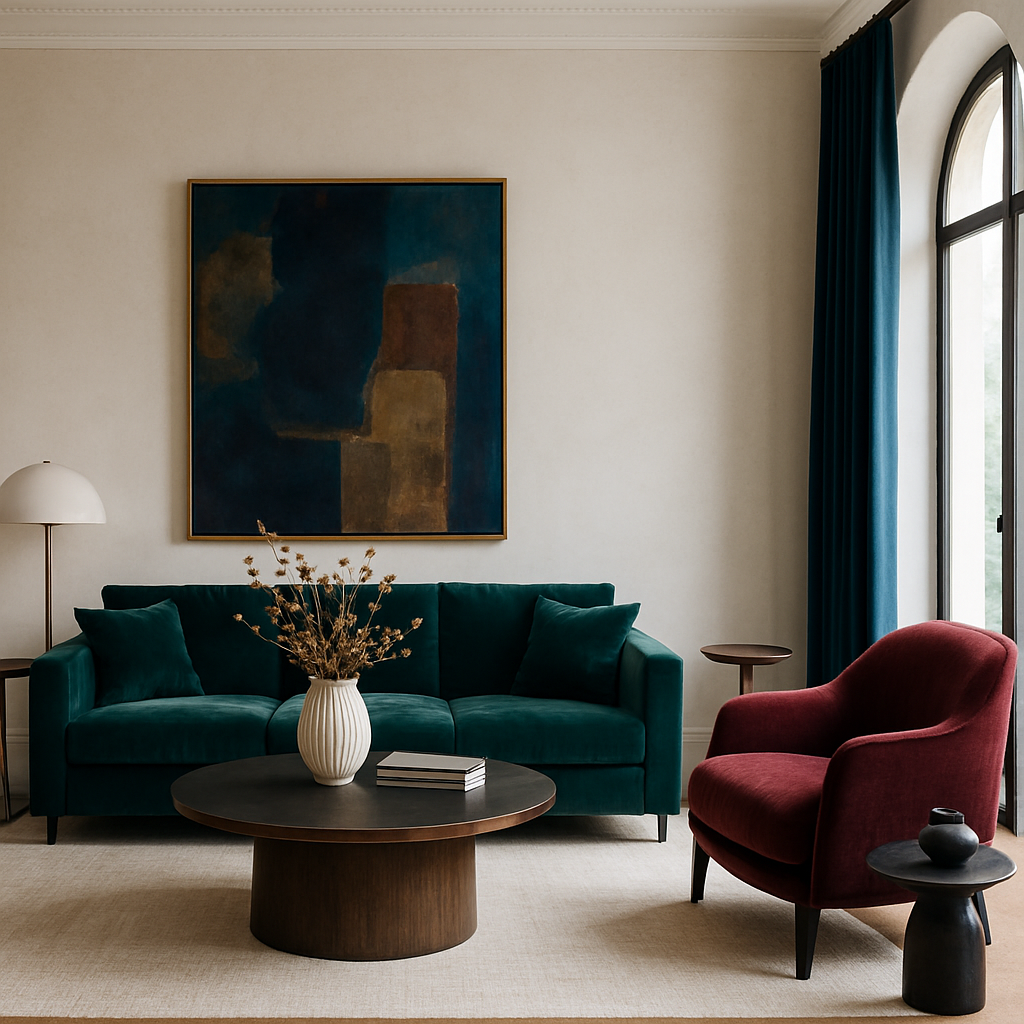
Did you know that investing in luxury interior design can increase your home's resale value by 5-15%? As homeowners seek to create sophisticated sanctuaries, the 2023 landscape of luxury interior design is evolving with exciting innovations. From biophilic design to smart home technology, the trends are as diverse as they are captivating. This article will explore the foundational concepts shaping these trends, delve into statistical analyses and examples, and provide actionable strategies to help you transform your space. Whether you're a seasoned design enthusiast or just beginning your journey, you'll find insights that resonate with your vision for an elevated living environment.
The Foundations of Luxury Interior Design
Luxury interior design hinges on the marriage of aesthetics and functionality, where every element serves a purpose while delighting the senses. A critical concept within this realm is biophilic design, which emphasizes the integration of natural elements to enhance well-being. This approach includes features such as living walls, natural materials like stone and wood, and a seamless indoor-outdoor flow. According to the American Society of Interior Designers (ASID), incorporating biophilic elements has been shown to reduce stress and improve mood, making it an essential component of modern luxury spaces.
Another key foundation is the principle of quiet luxury, which favors understated elegance over ostentatious displays of wealth. This trend is characterized by muted color palettes, high-quality materials, and bespoke craftsmanship. The allure lies in the subtlety of the design, where the focus is on the texture and form rather than flashy embellishments. Experienced professionals often note that quiet luxury creates a timeless appeal, ensuring your investment remains relevant and stylish for years to come.
Finally, smart home integration has become a cornerstone of luxury interior design. Automated lighting, climate control, and window treatments not only enhance convenience but also contribute to energy efficiency. The International Interior Design Association (IIDA) highlights that smart technology can be seamlessly integrated into the design, providing a sleek, uncluttered look. As we transition to the next section, we'll explore how these foundational concepts are supported by data and trends in the industry.
Analyzing Trends with Data and Examples
According to a recent survey by Houzz, homeowners are spending more on renovation projects, with an average budget increase of 15% compared to previous years. This trend underscores the growing appetite for high-end design elements that enhance both functionality and aesthetics. For instance, the demand for custom cabinetry and high-end appliances in kitchens has surged, reflecting the shift towards spaces that cater to gourmet cooking and entertaining.
Biophilic design is not just a passing fad but a movement backed by scientific research. Studies have shown that exposure to natural elements can lead to a 12% increase in productivity. This data has motivated designers to incorporate features such as large windows, natural ventilation, and indoor plants. The National Council for Interior Design Qualification (NCIDQ) reports that designers with this credential are particularly adept at blending these elements into cohesive, luxurious interiors.
Furthermore, the integration of smart technology has been propelled by consumer demand for convenience and sustainability. A report by the American Institute of Architects (AIA) reveals that 60% of luxury home projects now include smart features, from advanced security systems to programmable thermostats. These innovations not only enhance daily living but also contribute to the home's value, making them a worthwhile investment. As we move forward, let's explore actionable strategies for incorporating these trends into your home.
Actionable Strategies for Your Space
Ready to transform your home into a luxurious retreat? Start by assessing your current space and identifying areas that could benefit from enhancement. Consider the flow of each room and how natural light interacts with the space. Are there opportunities to introduce biophilic elements, such as adding a vertical garden or incorporating reclaimed wood accents? These touches can instantly elevate the ambiance while promoting a connection with nature.
When it comes to quiet luxury, focus on quality over quantity. Invest in a few high-quality pieces, such as a custom sofa or handwoven rug, that will stand the test of time. These items should reflect your personal style while maintaining a sense of understated elegance. To find these gems, explore designer portfolios on platforms like Houzz or the Architectural Digest's AD PRO network, where you can gain inspiration and connect with professionals who specialize in luxury design.
Integrating smart technology doesn't have to be overwhelming. Start small with a smart lighting system that allows you to create different moods with the touch of a button. Gradually expand your setup to include features like automated blinds or a voice-controlled sound system. Not only will these additions enhance your living experience, but they'll also position your home as a cutting-edge, luxurious space. In the next section, we'll delve into expert insights and considerations for those pursuing luxury design projects.
Expert Insights and Considerations
Experienced interior designers often emphasize the importance of collaboration when embarking on a luxury design project. Engaging with certified professionals, such as those holding NCIDQ or ASID credentials, can provide invaluable guidance and expertise. These designers understand the nuances of space planning, material selection, and project management, ensuring your vision is executed flawlessly. They can also navigate the complexities of budgeting, helping you allocate resources effectively across different phases of the project.
Budgeting is a crucial aspect of luxury design, with costs varying significantly depending on the scope and scale of the project. For a single room redesign, expect to invest $5,000 to $15,000, while full-home projects can range from $50,000 to over $150,000. Understanding these figures allows you to set realistic expectations and prioritize elements that will deliver the most impact. Working with designers who offer transparent fee structures-such as flat fees or hourly rates-can provide clarity and prevent unexpected expenses.
Another key consideration is the timing and logistics of your project. Luxury design often involves custom orders and bespoke pieces, which can extend lead times. Planning ahead and maintaining open communication with your designer can help mitigate delays and ensure a smooth process from concept to completion. As we transition to the next section, consider how these insights can guide you in navigating the world of luxury interior design.
Additional Insights and Nuanced Details
As you delve deeper into the realm of luxury interior design, it's important to recognize the role of sustainability in shaping modern aesthetics. The use of sustainable and reclaimed materials is not only environmentally friendly but also adds a unique character to your home. Designers are increasingly sourcing materials like recycled glass tiles and reclaimed wood, which provide both beauty and a nod to responsible living. This trend aligns with the broader movement towards conscious consumerism, where luxury is defined by mindful choices.
Furthermore, the integration of Japandi style-where Japanese minimalism meets Scandinavian warmth-offers a fresh perspective on luxury interiors. This design language combines simplicity with functionality, emphasizing clean lines and natural materials. It's a style that promotes peace and tranquility, ideal for creating serene, clutter-free spaces. By incorporating elements such as neutral color palettes and simple, yet elegant furnishings, you can achieve a harmonious balance that defines modern luxury.
Finally, consider the role of technology in visualizing your design aspirations. Augmented Reality (AR) and Virtual Reality (VR) tools are becoming indispensable for designers and clients alike. These technologies allow you to immerse yourself in a virtual representation of your future space, making it easier to make informed decisions about layout and design elements before committing to them. As we approach the conclusion, reflect on how these nuanced details can inspire and inform your luxury design journey.
Final Perspectives on Luxury Interior Design
Luxury interior design is not merely about opulence; it's about crafting spaces that reflect personal style and enhance quality of life. As you consider transforming your home, remember that the essence of luxury lies in the details-be it a carefully selected piece of art, a smart home feature seamlessly integrated into your décor, or a sustainably sourced material that tells a story. These elements come together to create an environment that is both beautiful and functional.
As you embark on your design journey, stay informed about emerging trends and continue to seek inspiration from reputable sources like the IIDA and the NCIDQ. Engage with platforms like Instagram and Pinterest to explore diverse design ideas and connect with professionals who can bring your vision to life. By doing so, you'll not only stay ahead of the curve but also ensure that your home remains a true reflection of your aspirations.
With these insights, you're now equipped to approach your luxury interior design project with confidence and creativity. As we conclude, consider how you can apply what you've learned to transform your space into a luxurious haven that resonates with your unique aesthetic and lifestyle.
Conclusion: Taking the First Step
In summary, the 2023 trends in luxury interior design offer a rich tapestry of possibilities-from biophilic elements and quiet luxury to smart technology and sustainable materials. Each of these trends provides an opportunity to enhance your home and create a space that is both elegant and practical. Remember, the journey to transforming your space begins with a single step. Start by browsing portfolios on platforms like Houzz this week-spend even 20 minutes to sharpen your eye for what you truly desire in your space.
As you move forward, keep asking yourself: What elements will bring the most joy and functionality to my home? How can I incorporate emerging trends in a way that aligns with my personal style? By reflecting on these questions and taking deliberate actions, you'll be well on your way to achieving the luxury interior design of your dreams. The time to start is now, and your future luxury oasis awaits.



Comments
Post a Comment