Transform Your Space: Key Takeaways from Frida Ramstedt's Interior Design Handbook
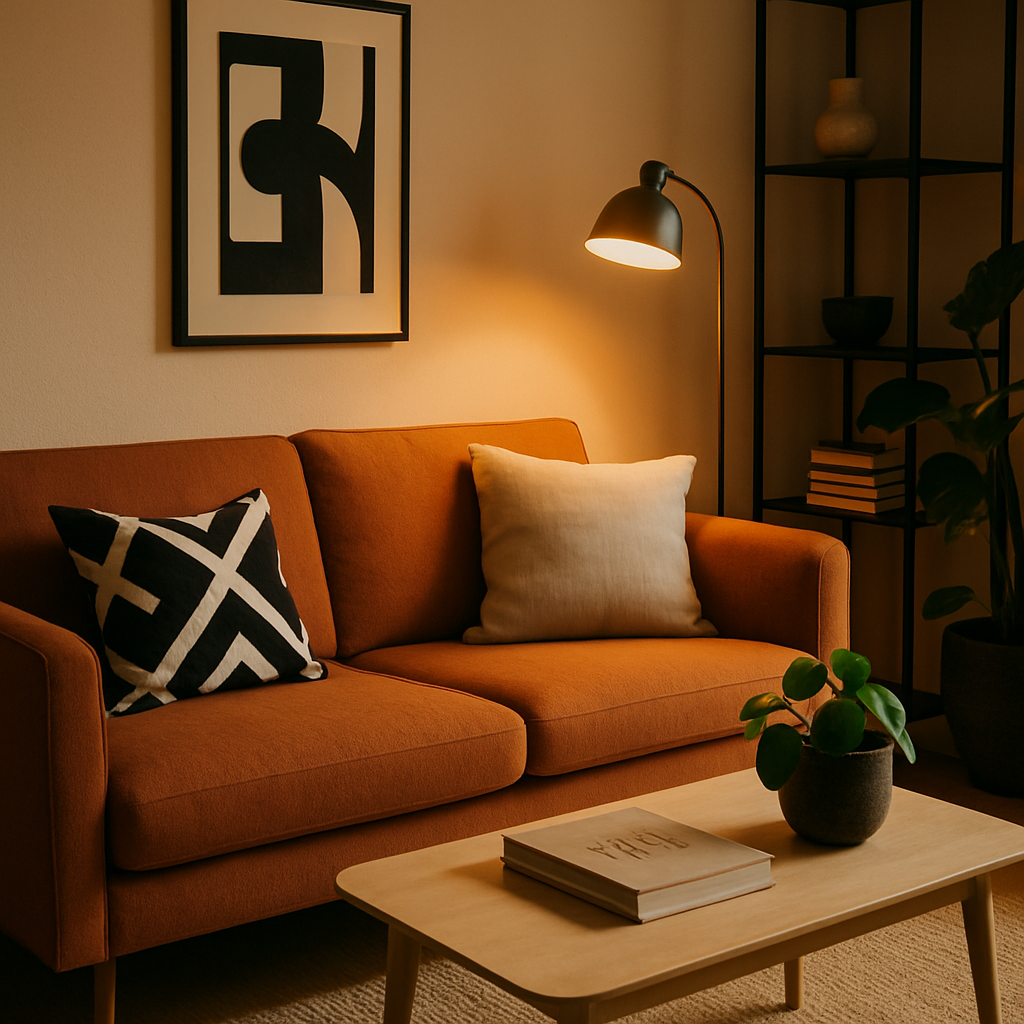
Have you ever walked into a room and felt an immediate sense of peace or inspiration? Such reactions are not coincidental; they are the result of thoughtful design principles that Frida Ramstedt explores in her acclaimed book, "The Interior Design Handbook." As homes increasingly become our sanctuaries, Ramstedt's insights offer invaluable guidance. In this article, we will delve into foundational concepts from the handbook, analyze data-backed design strategies, explore actionable steps for your projects, and provide expert-level details that can transform your spaces. Prepare to rethink your interiors with these transformative insights.
Understanding Foundational Concepts
Frida Ramstedt emphasizes the importance of understanding the underlying principles of interior design. At the core, she argues that good design is not about filling spaces with expensive items but about creating harmony and balance. This idea resonates with the design philosophy that spaces should be shaped according to the lifestyle they support. For instance, if your living room is where family gatherings occur, the layout should facilitate interaction and comfort rather than serve as a showcase for decor.
Another foundational concept Ramstedt discusses is the principle of functionality. This is not merely about practical furniture placement but involves a deeper understanding of how spaces are utilized. Mapping out the flow of movement and identifying key activity zones is crucial. For example, where do you naturally drop your keys? Where do your kids prefer to do their homework? Understanding these patterns can help tailor spaces to meet actual daily needs.
Moreover, Ramstedt highlights the significance of proportion and scale. This is a common pitfall for many, where furniture is either too large or too small for a space, disrupting visual balance. To avoid this, she suggests using tools like the Houzz app, which offers AR/VR room visualization features that help preview designs before implementation. This proactive approach ensures that the elements you choose are in harmony with the space's dimensions. These foundational concepts set the stage for creating a space that truly feels right and ready for the next layer of design considerations.
Delving into Data-Backed Design Strategies
When it comes to interior design, data can provide surprising insights. Industry surveys, such as those conducted by Houzz, indicate that well-designed interiors can increase a property's resale value by 5-15%. This statistic underscores the tangible financial benefits of investing in quality design. Interestingly, Houzz's annual survey data also reveals that homeowners who engage with professional interior designers report higher satisfaction levels, with 78% expressing that the money spent was well worth the results.
Ramstedt's handbook aligns with these findings, as she emphasizes the importance of strategic investments in design. For example, investing in quality, sustainable materials not only enhances aesthetic appeal but also promotes environmental responsibility. The growing trend of incorporating biophilic design elements-such as natural materials and indoor plants-reflects this shift towards sustainability. According to the American Society of Interior Designers (ASID), such eco-friendly choices are increasingly demanded by clients and can even contribute to improved well-being and productivity in residential spaces.
Moreover, incorporating smart home technology is another data-supported strategy that is gaining traction. The integration of automated lighting, climate control, and window treatments is becoming a staple in modern homes. Not only does this enhance convenience, but it also aligns with the trend of creating energy-efficient homes. The NCIDQ (National Council for Interior Design Qualification) notes that designers with expertise in smart home technologies are increasingly sought after, as these systems can significantly reduce energy consumption and enhance user experience. With these strategies, your home can be both a sanctuary and a smart, efficient space.
Implementing Actionable Strategies in Your Home
Ready to bring some of these concepts into your own home? Start by conducting a thorough assessment of your space. Experienced professionals often note that understanding your current setup is key to successful redesign. Measure each room, noting dimensions and existing furniture. This will inform every subsequent decision, from selecting new pieces to determining appropriate layouts.
Once you have a clear understanding of your space, consider creating a mood board. Platforms like Pinterest are invaluable for this exercise, offering endless inspiration and allowing you to visualize color schemes, textures, and styles. This visual planning can prevent costly mistakes by ensuring that all elements work cohesively beforehand. Additionally, seek feedback from certified designers through platforms like the ASID directory, where you can access professionals with NCIDQ credentials who can provide expert advice tailored to your needs.
Finally, prioritize one room at a time. This focused approach prevents overwhelm and allows you to dedicate resources effectively. Allocate a realistic budget-typically $5,000 to $15,000 for a single room redesign-and consider the fee structures of professionals. Whether opting for a flat fee, hourly rate, or percentage of project cost, understanding these options can help in making informed choices. By adopting these actionable strategies, you can transform your space into a reflection of your personal style and functional needs.
Expert-Level Detail: Mastering the Art of Styling
Once the foundational elements are in place, styling becomes the next critical phase. Frida Ramstedt's handbook provides insightful guidance on this often intricate process. She emphasizes the importance of layering-combining different textures, colors, and materials to create depth and interest. For example, pairing a plush wool rug with sleek metal furniture can introduce a dynamic contrast that enhances the room's overall appeal.
Another advanced technique is the strategic use of lighting. According to Architectural Digest's AD PRO network, layered lighting can transform the mood and functionality of a space. Consider integrating ambient, task, and accent lighting to create a versatile environment. For instance, adjustable LED fixtures can provide bright light for work tasks and softer illumination for relaxation, catering to different needs throughout the day.
Additionally, Ramstedt encourages the incorporation of personal elements. This approach involves showcasing items that hold sentimental value or reflect personal interests, such as family photos, travel souvenirs, or art pieces. These personalized touches not only add character but also make the space truly yours. As you refine these styling techniques, remember that the goal is to achieve a balance between aesthetics and personal expression, ultimately creating a space that resonates with who you are.
Additional Depth: Exploring Contemporary Design Trends
Incorporating contemporary design trends can further elevate your space. One such trend is the Japandi style, which merges Japanese minimalism with Scandinavian warmth. This fusion emphasizes simplicity, functionality, and natural elements, resulting in serene environments. Consider using neutral color palettes, clean lines, and natural wood finishes to achieve this aesthetic.
Moreover, the concept of quiet luxury is gaining popularity. This trend embraces understated elegance through the use of high-quality materials and timeless design. The International Interior Design Association (IIDA) highlights that quiet luxury is about subtle sophistication, where less is more, and every piece is carefully curated. This approach can be especially appealing for those seeking a tranquil and refined home atmosphere.
Finally, biophilic design remains a significant influence. This trend focuses on connecting interiors with nature through elements like living walls, large windows, and indoor plants. According to the AIA, incorporating biophilic elements can enhance occupant well-being by reducing stress and enhancing mood. By embracing these contemporary trends, you can create a space that is both current and deeply connected to the natural world.
Final Perspectives: Ensuring Longevity in Design
As you embark on your interior design journey, consider the longevity of your choices. Trends may come and go, but timeless design principles endure. Frida Ramstedt's handbook emphasizes the importance of investing in quality and versatility. Opt for pieces that can adapt to evolving styles and personal preferences, ensuring that your space remains relevant over time.
Moreover, fostering an ongoing relationship with a certified interior designer can be beneficial. These professionals bring a wealth of knowledge and can offer fresh perspectives as your tastes and needs evolve. Platforms like the ASID directory can help you find designers who align with your vision and can guide you through future projects.
Ultimately, the goal is to create a space that grows with you, reflecting your journey and aspirations. By applying the insights from Ramstedt's handbook, you are well-equipped to transform your home into a sanctuary that is both beautiful and functional, ready to support you for years to come.
Conclusion
Frida Ramstedt's "The Interior Design Handbook" provides a comprehensive guide to creating spaces that are both aesthetically pleasing and deeply personal. By understanding foundational concepts, leveraging data-backed strategies, and embracing both actionable and expert-level insights, you can transform your home into a haven that reflects your unique style. Are you ready to take the next step in your design journey? Start by browsing portfolios on Houzz this week-even 20 minutes of research will sharpen your eye for what you want. With these insights, your space can evolve into a true reflection of your personality and lifestyle.


Comments
Post a Comment