Transform Your Space: Innovative Room Interior Design Trends
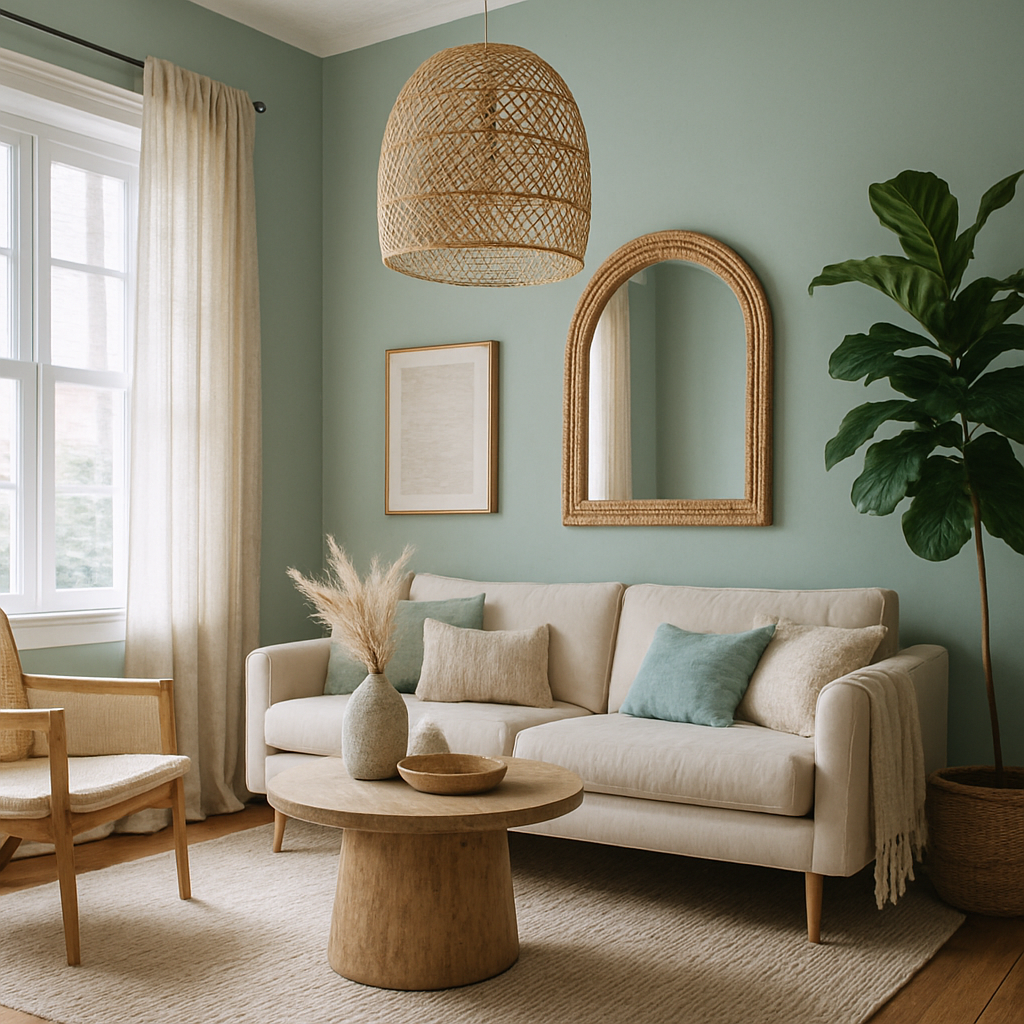
Have you ever wondered why some homes feel instantly inviting while others seem cold and impersonal? According to a recent Houzz survey, 75% of homeowners say that updating their interiors boosted their overall happiness at home. In 2024, innovative room interior design trends are focusing on creating spaces that not only look good but also promote well-being and functionality. This article will explore foundational concepts in interior design, dive into cutting-edge trends for the upcoming year, and provide actionable strategies you can implement to transform your space. We'll also delve into expert insights and additional depth that will help you make informed decisions.
Foundational Concepts in Interior Design
To truly transform your space, understanding foundational interior design concepts is essential. One of the primary distinctions in the field is between certified interior designers and decorators. Certified interior designers hold credentials such as the NCIDQ (National Council for Interior Design Qualification), ensuring they have met rigorous education and experience standards. Decorators, while talented, often lack formal certification, which can impact the level of technical expertise they bring to a project. This distinction is crucial when starting your interior design journey.
Another foundational concept is understanding the various fee structures employed by interior designers. These can include flat fees, hourly rates ranging from $150 to $500, or a percentage of the total project cost, typically around 10-25%. Additionally, procurement markups on furniture and materials can also apply. Having clarity on these costs will help you budget effectively, whether you're redesigning a single room with a budget of $5,000-$15,000 or undertaking a full-home project costing upwards of $50,000.
Finally, the design process itself typically follows several phases: concept development, design presentation, procurement, installation, and styling. This structured approach ensures that the design vision is executed efficiently and cohesively. Each phase requires careful planning and coordination, emphasizing the importance of hiring experienced professionals. Understanding these foundational elements sets the stage for exploring the exciting trends of today.
2024 Design Trends with a Deeper Analysis
As we move into 2024, several innovative trends are poised to redefine room interiors. One such trend is biophilic design, which incorporates natural elements like living walls and an indoor-outdoor flow to promote a sense of tranquility. Industry surveys suggest that homes with biophilic elements see a 5-15% increase in resale value, underscoring the financial benefits of this design approach. The emphasis on natural materials aligns with the growing demand for sustainable and eco-friendly design solutions.
Another significant trend is the integration of smart home technology. From automated window treatments to climate control systems, these innovations offer unmatched convenience and efficiency. According to ASID (American Society of Interior Designers), homes with integrated smart technology are not only more energy-efficient but also more appealing to tech-savvy buyers. This trend is particularly relevant as more people seek to simplify their lives through technology.
Quiet luxury and understated elegance are also gaining traction, with homeowners opting for timeless, high-quality pieces that exude sophistication. This trend is often characterized by neutral palettes and minimalistic designs, creating spaces that feel both serene and luxurious. Experienced professionals often note that investing in high-quality materials can dramatically enhance the overall aesthetic and longevity of your interior spaces. As we delve into actionable strategies, consider how these trends can be adapted to your home.
Actionable Strategies for Room Transformation
Ready to bring these trends into your home? Start by focusing on one room at a time. Consider how you actually use each space - where do you drop your keys, where do the kids do their homework, and where do you relax at the end of the day? Mapping out these activities can help determine the functionality needed in your design. For instance, incorporating smart lighting that adjusts to different activities or times of day can enhance both convenience and ambiance.
When selecting materials, opt for sustainable and reclaimed options. Not only are they environmentally friendly, but they also add unique character to a space. Pinterest and Instagram are excellent sources for finding inspiration on how to creatively use these materials. Whether it's reclaimed wood flooring or recycled glass countertops, these choices can set your home apart while aligning with current design trends.
Another actionable strategy is to invest in AR/VR room visualization tools. These technologies allow you to virtually experiment with different layouts, color schemes, and furniture arrangements before making any physical changes. Such tools are becoming increasingly accessible, with platforms offering user-friendly interfaces that enable you to visualize potential changes with a high degree of accuracy. Transitioning into expert-level details, consider how these strategies can be further refined with professional guidance.
Expert-Level Details in Interior Design
Hiring a certified interior designer can elevate your project by bringing a level of expertise and creativity that is often unmatched. Certified professionals, especially those with NCIDQ or ASID credentials, have a deep understanding of design principles, building codes, and space planning. They can provide invaluable insights into optimizing your space while ensuring that your vision aligns with practical considerations and industry standards.
Moreover, designers with access to platforms like Houzz and AD PRO can tap into an extensive network of resources and inspiration. These platforms offer a plethora of designer portfolios and project photos that can spark new ideas and help refine your concept. Additionally, designers often have access to exclusive trade discounts on furniture and materials, which can significantly reduce your project's overall cost.
Experienced professionals often emphasize the importance of a cohesive design narrative. This involves ensuring that each room in your home tells a part of the overall story you want your space to convey. Whether it's through a consistent color palette, recurring materials, or thematic elements, a well-crafted design narrative can unify your home and enhance its aesthetic appeal. As we explore additional depth in the next section, consider how expert insights can guide you in achieving a polished, cohesive interior.
Additional Depth: The Role of Trends in Personal Style
While following design trends can be inspiring, it's crucial to balance them with your personal style. Trends come and go, but your home should ultimately reflect your tastes and lifestyle. For example, the Japandi style, which combines Japanese minimalism with Scandinavian warmth, may appeal to those who appreciate clean lines and natural materials. However, incorporating personal touches like family heirlooms or bespoke art pieces ensures that your space remains uniquely yours.
It's also important to consider how trends fit within the architectural context of your home. A modern trend like biophilic design may not suit a traditional Victorian house unless thoughtfully integrated. This is where working with a designer can be particularly beneficial. They can help you navigate the nuances of blending trends with architectural styles, ensuring a harmonious outcome.
Finally, budgeting for trends requires careful consideration. While it's tempting to invest heavily in what's popular, remember that trends will evolve. Allocate your budget towards timeless pieces and use trendy elements as accents that can be easily updated. This approach ensures that your space remains fresh and adaptable to future changes. As we transition to final perspectives, reflect on how these insights can inform your design decisions.
Final Perspectives on Transforming Your Space
As you embark on the journey of transforming your space, it's essential to approach the process with an open mind and a willingness to explore new ideas. The trends of today offer exciting opportunities to create spaces that are not only visually appealing but also functional and sustainable. Whether you're drawn to the serenity of biophilic design or the sleek sophistication of quiet luxury, there's a trend that can align with your vision.
Consider how small changes can have a significant impact. Sometimes, a fresh coat of paint or updated lighting can completely alter the mood of a room. Don't be afraid to experiment with new layouts or colors - the goal is to create a space that enhances your lifestyle and brings you joy. As you explore these possibilities, remember that the process of designing your home should be as enjoyable as the final result.
Ultimately, transforming your space is an opportunity to express your individuality and create an environment that supports your daily activities and personal well-being. In the conclusion, we'll summarize key takeaways and provide a clear call to action to help you get started.
Conclusion: Taking the Next Step in Your Design Journey
In summary, 2024 offers a wealth of innovative room interior design trends that can transform your space into a functional and stylish haven. From biophilic design and smart home integration to quiet luxury and sustainable materials, these trends provide numerous ways to enhance your home. Remember to balance trends with personal style and consider the architectural context of your space for a harmonious result.
Now, it's time to take action. Start by browsing designer portfolios on platforms like Houzz and AD PRO this week. Even 20 minutes of research will sharpen your eye for what you want and provide inspiration for your project. Engage with certified designers who can bring your vision to life and ensure a seamless design process. With these steps, you'll be well on your way to creating a home that reflects your personality and meets your needs.


Comments
Post a Comment