Transform Your Space: Innovative Living Room Design Ideas
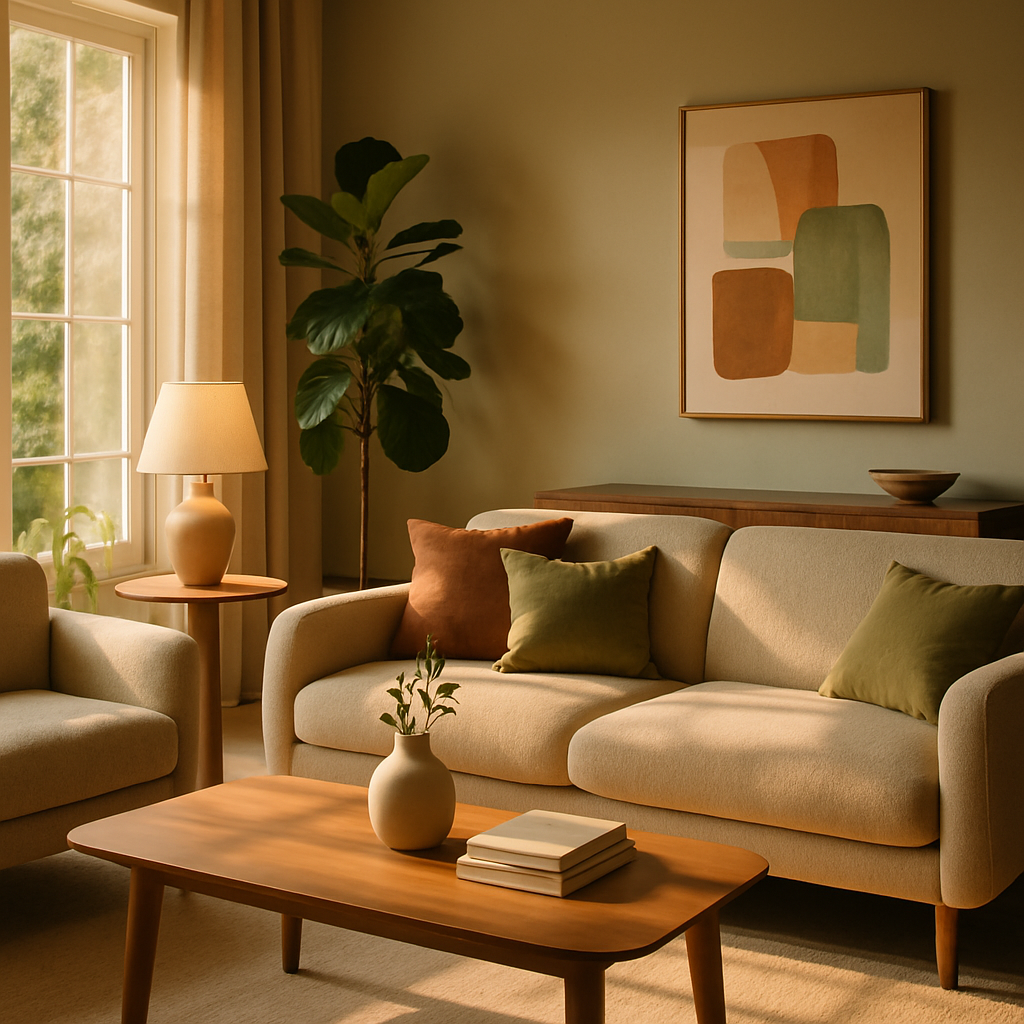
Have you ever walked into a living room and felt instantly at ease, enveloped by its ambiance? This isn't by chance. According to the National Association of Realtors, well-designed interiors can increase a home's resale value by 5-15%. In 2023, living room design is about more than just aesthetics; it's about creating a functional and inviting space that reflects your personality. This article will explore foundational concepts in living room design, offer a deeper analysis with data, and provide actionable strategies for transforming your space. We'll also delve into expert-level details and additional insights to ensure your living room is both beautiful and practical.
Foundational Concepts in Living Room Design
Before diving into the latest trends, it's crucial to understand the foundational concepts of living room design. The layout is the starting point for any design project. A well-planned layout considers the flow of traffic, the focal points of the room, and how different elements work together. For example, placing a sofa across from the main entrance can create a welcoming and balanced atmosphere.
Color schemes are another pivotal aspect of design. In 2023, the trend is moving towards muted tones that promote a sense of calm and serenity. According to Houzz, 60% of homeowners prefer neutral palettes that allow flexibility in décor. A soft beige or a gentle sage green can serve as the perfect backdrop for more vibrant accent pieces.
Finally, lighting should not be overlooked. Natural light is always preferred, but when that's not an option, layered lighting solutions can mimic its effects. This includes a combination of ambient, task, and accent lighting, which can be achieved with strategically placed lamps, overhead fixtures, and dimmers.
The Role of Data in Living Room Design
Data-driven design is becoming increasingly prominent in the interior design industry. According to a survey by the American Society of Interior Designers (ASID), 75% of designers now use data to guide their choices, from color palettes to furniture layouts. This approach ensures that design decisions are not just aesthetically pleasing but also grounded in functionality and user preferences.
For example, data from Houzz reveals that open-plan living rooms are gaining popularity, with 40% of homeowners opting for this layout to facilitate better social interaction. This trend highlights the importance of creating spaces that foster conversation and connection, especially in homes where entertaining is a priority.
Additionally, smart home integration is on the rise, with more than 50% of homeowners incorporating technology into their living spaces. From automated lighting systems to smart thermostats, these innovations not only enhance comfort but also improve energy efficiency, aligning with the growing trend towards sustainable living.
Actionable Strategies for Transforming Your Living Room
Ready to transform your living room? Start by decluttering. Removing unnecessary items can instantly create a more open and inviting space. Consider adopting a minimalist approach, where every piece serves a purpose and contributes to the overall aesthetic.
Next, focus on furniture selection. Experienced professionals often note that investing in key pieces, such as a quality sofa or a statement coffee table, can serve as the foundation for your design. Look for items that offer both style and comfort, as these will be the most used in your living room.
Don't forget about texture. Incorporating different textures-such as a plush rug, a velvet throw, or wooden accents-can add depth and interest to your design. This approach not only enhances the visual appeal of your space but also creates a tactile experience that can make your living room feel more inviting.
Expert-Level Detail: Working with Professionals
Engaging a certified interior designer can elevate your living room transformation. Certified designers, such as those holding NCIDQ (National Council for Interior Design Qualification) credentials, bring a wealth of knowledge and experience to the table. They can help you navigate complex design decisions, from selecting the right color palette to optimizing your room's layout.
Hiring a professional might sound costly, but it can actually be a wise investment. Fee structures vary, with some designers charging a flat fee, while others may work on an hourly basis, typically ranging from $150 to $500 per hour. Some might charge a percentage of the total project cost. Understanding these options can help you budget effectively for your design project.
Moreover, designers have access to exclusive resources and networks, such as the IIDA (International Interior Design Association) and Architectural Digest's AD PRO. These connections can provide you with unique design solutions and access to high-quality materials that aren't available to the general public.
Additional Depth: Current Trends and Innovations
Staying abreast of current trends can ensure your living room design feels fresh and contemporary. In 2023, biophilic design continues to gain traction, emphasizing natural materials and a seamless indoor-outdoor flow. Incorporating elements like a living wall or large windows can enhance your connection with nature and improve overall well-being.
Another trend to consider is the concept of quiet luxury, which focuses on understated elegance and high-quality materials. This approach encourages a move away from overly ornate designs in favor of simplicity and sophistication. Think plush fabrics, clean lines, and a neutral color palette that exudes timeless style.
Finally, explore the possibilities of AR/VR room visualization tools. These innovative technologies allow you to see potential designs in your actual space before making any changes. Many designers now offer these services, providing a more interactive and informed design process.
Final Perspectives on Living Room Design
As you embark on your living room transformation, consider how each design choice reflects your personal style and complements your lifestyle. Whether you're drawn to the tranquility of Japandi or the boldness of a contemporary aesthetic, your living room should be a space where you feel comfortable and inspired.
Remember, design is an evolving process. What resonates with you today might change in the future, and that's okay. Flexibility in your design choices can accommodate these shifts, ensuring your living room remains a dynamic and enjoyable space.
Conclusion: Start Your Design Journey Today
Transforming your living room can be an exciting endeavor that enhances both the functionality and aesthetic appeal of your home. By understanding foundational concepts, leveraging data, and incorporating expert insights, you can create a space that truly reflects your personality and meets your needs. Don't wait to begin your design journey. Start by browsing designer portfolios on Houzz or Instagram this week. Even 20 minutes of research can sharpen your eye for what you want and inspire your next steps. Remember, every successful design project begins with a single idea. What will yours be?



Comments
Post a Comment