Transform Your Space: How Interior Bliss Redefines Modern Interior Design
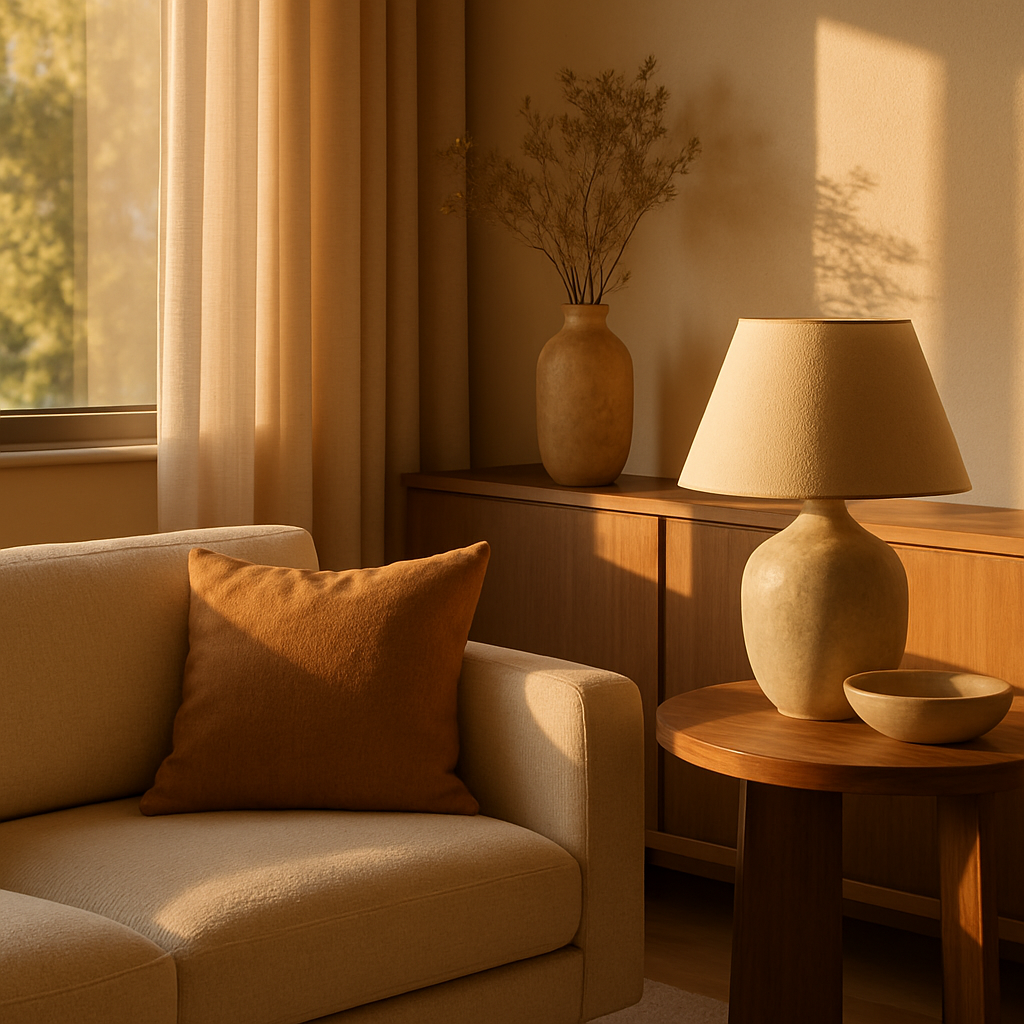
Did you know that a well-designed interior can increase your home's resale value by 5-15%, according to industry surveys? This statistic highlights why many homeowners are increasingly interested in transforming their spaces not just for aesthetics but also for financial gain. Interior Bliss is at the forefront of redefining modern interior design, offering innovative solutions that marry style with functionality. From understanding foundational design principles to leveraging cutting-edge technology, this guide will explore how you can transform your space into something truly spectacular. We'll delve into the latest trends, provide actionable strategies, and share expert insights to help you navigate your design journey with confidence.
Understanding Foundational Design Concepts
Before diving into the specifics of transforming your space, it's crucial to understand the foundational concepts that underpin modern interior design. At its core, interior design is about creating environments that are both functional and aesthetically pleasing. This often involves a careful balance between form and function, where each element serves a purpose while contributing to the overall visual harmony of the space. For instance, the principle of scale and proportion ensures that furniture and decor fit comfortably within a room's dimensions, preventing spaces from feeling cramped or sparse.
Another fundamental concept is the use of color and texture. Color can dramatically influence the mood and perception of a space. For example, soft, neutral tones can create a calming atmosphere, while bold colors might energize a room. Texture adds depth and interest, whether through fabrics, finishes, or architectural details. Experienced professionals often note that mixing textures-such as combining a plush velvet sofa with a sleek metal coffee table-can enhance a room's tactile appeal.
Finally, the principle of balance is key to achieving a cohesive design. There are three types of balance: symmetrical, asymmetrical, and radial. Symmetrical balance involves mirroring elements on either side of a central focal point, creating a sense of formality and order. Asymmetrical balance, on the other hand, uses different elements that have equal visual weight, resulting in a more dynamic and relaxed feel. Radial balance arranges elements around a central point, often seen in circular seating arrangements.
Having a grasp of these foundational concepts sets the stage for exploring how these principles are applied in modern interior design. They serve as the backbone for more advanced techniques and trends that can redefine your space.
Exploring Modern Interior Design with Data
In recent years, the field of interior design has seen significant evolution, driven by data and industry insights. According to the annual Houzz & Home survey, homeowners are spending more on renovations, with a notable increase in budget allocations for interior design. The survey indicates that the average spending on home renovations rose by 15% over the past year, underscoring the growing importance of well-designed interiors.
One of the emerging trends in modern interior design is the integration of smart home technology. Smart lighting, automated climate control, and motorized window treatments are becoming standard features in contemporary homes. These technologies not only enhance convenience but also contribute to energy efficiency and sustainability. For instance, automated lighting systems can significantly reduce energy consumption by adjusting brightness based on natural light levels.
Additionally, the biophilic design trend, which emphasizes the connection between indoor spaces and nature, is gaining traction. This approach incorporates natural materials, living walls, and large windows to create a seamless indoor-outdoor flow. Research published by the International WELL Building Institute suggests that biophilic design can improve occupants' well-being by reducing stress and enhancing creativity. These data-driven insights highlight how modern interior design is evolving to meet the demands of today's homeowners.
As we delve deeper into specific strategies for transforming your space, it is essential to consider these data points and trends. They provide a framework for understanding the direction in which interior design is heading and the factors driving these changes.
Actionable Strategies for Transforming Your Space
Now that we've explored the foundational concepts and current trends, let's dive into actionable strategies you can implement to transform your space. One effective approach is to start with a clear vision and a comprehensive plan. Begin by assessing how each room is currently used and identify areas for improvement. Do you need more storage in the living room? Is your kitchen layout inefficient? Mapping out these details ensures that your design efforts are targeted and practical.
Next, consider leveraging technology to visualize your design ideas. Augmented reality (AR) and virtual reality (VR) tools are revolutionizing the way homeowners approach interior design. These technologies allow you to experiment with different layouts, color schemes, and furniture arrangements before making any physical changes. Platforms like Houzz offer AR features that enable you to see how a particular piece of furniture or decor item will look in your home.
Another strategy is to focus on sustainable design practices. This not only benefits the environment but can also enhance the longevity and appeal of your space. Consider using reclaimed materials, energy-efficient lighting, and eco-friendly finishes. The U.S. Green Building Council offers resources and guidelines on sustainable design practices, which can be a valuable reference as you plan your project.
Implementing these strategies will help you create a space that is both beautiful and functional. As you move forward, keep these approaches in mind to ensure that your design efforts are effective and aligned with modern trends.
Expert Insights: Elevating Your Design Process
Engaging with certified interior designers can significantly enhance your design process. Professionals with credentials like the NCIDQ (National Council for Interior Design Qualification) and ASID (American Society of Interior Designers) bring a wealth of knowledge and expertise to the table. They can offer insights into the latest design trends, materials, and technologies that may not be immediately apparent to the average homeowner.
Experienced designers often recommend starting with a detailed consultation to align on the project's vision and objectives. This phase typically involves a thorough discussion of your style preferences, functional needs, and budget. The design presentation stage follows, where designers create mood boards, 3D renderings, and sample materials to convey their ideas. This collaborative process ensures that both parties are on the same page before moving forward with procurement and installation.
In addition to professional guidance, experts often stress the importance of flexibility and adaptability in the design process. Projects can evolve due to unforeseen circumstances, such as supply chain delays or budget adjustments. Maintaining open communication with your designer ensures that any changes are managed effectively, keeping the project on track and within scope.
By incorporating expert insights into your design process, you can elevate the quality and outcome of your project. This section sets the stage for further exploration of advanced design techniques and considerations.
Advanced Design Techniques and Considerations
For those looking to push the boundaries of modern interior design, advanced techniques offer exciting possibilities. One such technique is the use of lighting to enhance spatial perception and ambiance. Layered lighting, which combines ambient, task, and accent lighting, can transform the mood of a room and highlight architectural features. The IIDA (International Interior Design Association) offers resources on lighting design that can guide you in selecting the right fixtures and placements.
Another advanced consideration is the incorporation of quiet luxury and understated elegance into your design. This trend focuses on high-quality materials and craftsmanship, emphasizing timeless appeal over fleeting fashion. Think of bespoke furniture, custom millwork, and artisanal decor that add a personal touch to your space. This approach not only elevates the aesthetic but also creates a sense of exclusivity and sophistication.
Finally, consider the role of cultural influences in your design. The Japandi style, a fusion of Japanese minimalism and Scandinavian warmth, is a perfect example of how cultural elements can be integrated into modern interiors. This style emphasizes simplicity, functionality, and natural materials, creating a serene and inviting atmosphere.
These advanced techniques and considerations offer a deeper level of customization and personalization in your design. As we wrap up this exploration, we'll reflect on the key takeaways and next steps for transforming your space.
Final Perspectives on Modern Design
Incorporating modern interior design principles into your home is a rewarding endeavor that can enhance both your living environment and property value. As we've explored, leveraging foundational concepts, data-driven insights, and expert guidance can significantly impact the success of your project. Whether you're embarking on a full-home renovation or a single-room redesign, these elements provide a solid framework for achieving your goals.
As you reflect on the strategies and techniques discussed, consider how they align with your personal style and practical needs. Are there specific trends or technologies that resonate with you? How can you integrate sustainability and functionality into your design? These questions will help guide your decision-making process as you move forward.
With a clear understanding of modern interior design and the resources available, you're well-equipped to embark on your transformation journey. In the conclusion, we'll summarize the key points and offer a specific call to action to help you take the next steps.
Conclusion and Next Steps
Transforming your space with modern interior design principles is both an art and a science. By understanding foundational concepts, embracing the latest trends, and leveraging expert insights, you can create a home that is not only beautiful but also functional and sustainable. From smart home technologies to biophilic design, the opportunities for innovation are endless.
As you embark on your design journey, start by browsing portfolios on platforms like Houzz or consulting with certified professionals from organizations such as the ASID or IIDA. Even 20 minutes of research can sharpen your eye for what you want and help you make informed decisions. Remember, the key to successful interior design is a thoughtful approach that balances creativity with practicality.
Ready to transform your space? Begin by exploring the wealth of resources and inspiration available online and take the first step toward creating your dream home.



Comments
Post a Comment