Transform Your Space: How AI is Revolutionizing Interior Design in 2023
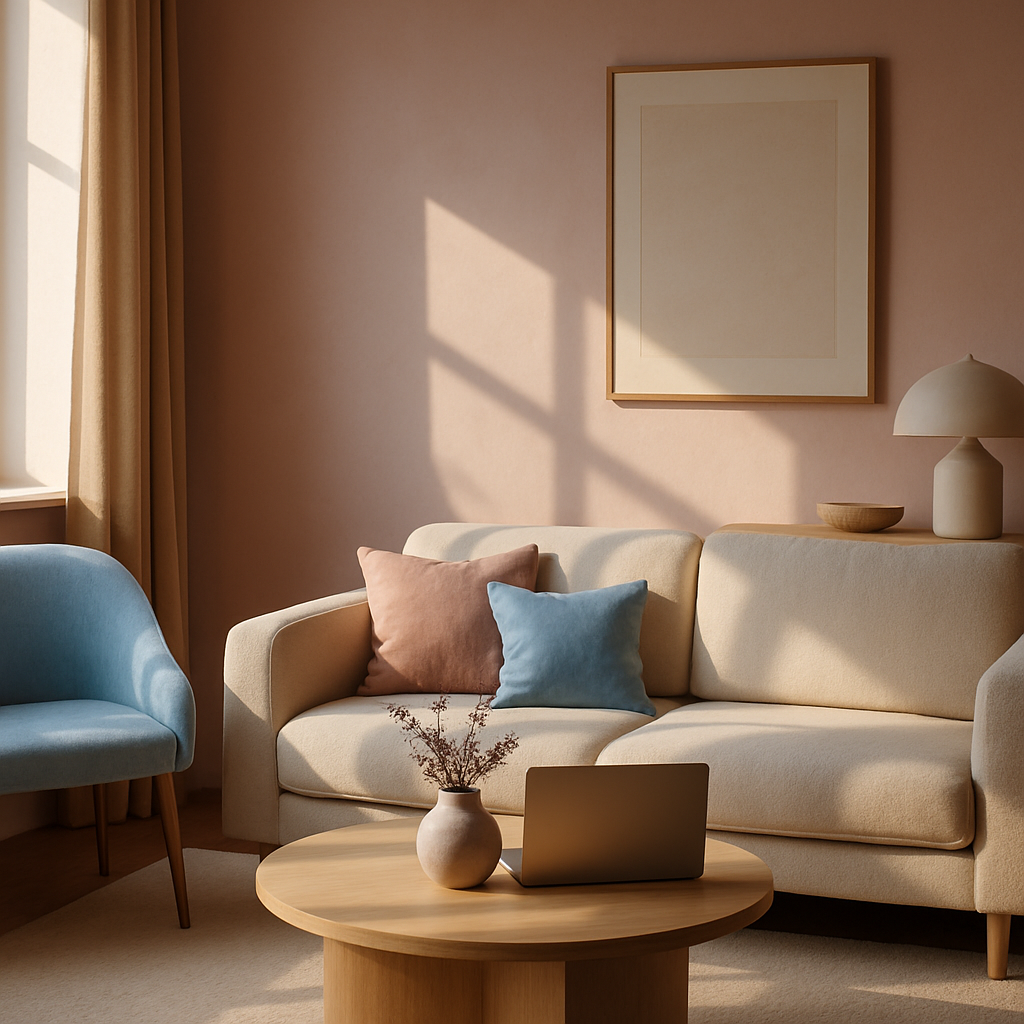
Imagine walking into a room that adapts to your mood, adjusts lighting automatically, and even suggests decor tweaks in real-time. This isn't a scene from a sci-fi movie but a reality shaped by artificial intelligence in interior design. According to industry surveys, AI technology is already influencing 30% of interior design projects worldwide, and this figure is expected to double by 2025. The integration of AI is not just a trend but a revolutionary shift that promises to redefine how we approach space transformation. In this article, we'll explore foundational concepts of AI in design, delve into data-driven insights, provide actionable strategies, and share expert-level details that every design enthusiast should know. Buckle up as we embark on a journey to uncover the future of interior spaces.
Understanding the AI Foundations in Interior Design
The intersection of AI and interior design begins with understanding the core technologies that power this transformation. At the heart of this revolution are machine learning algorithms capable of analyzing vast datasets to derive design patterns and recommendations that cater to individual preferences. One of the most commonly used AI applications is computer vision, which allows designers to visualize and manipulate virtual representations of physical spaces. This technology is pivotal not only for planning but also for executing complex design projects.
Furthermore, AI-driven tools like virtual reality (VR) and augmented reality (AR) are transforming client experiences. Platforms such as Houzz and Pinterest have integrated AR features that allow users to virtually "place" furniture in their homes, offering a perspective that was previously unimaginable. These tools empower both designers and clients, providing a clear vision of potential outcomes without the need for physical alterations. This capability reduces the uncertainty typically associated with design projects.
AI also plays a critical role in resource management. By leveraging predictive analytics, designers can efficiently allocate materials and labor, optimizing both time and budget. This is particularly valuable in large-scale projects where cost overruns are a significant concern. AI's ability to predict trends and suggest sustainable materials aligns perfectly with the growing demand for eco-friendly designs. As we delve deeper, it becomes clear that AI's foundational technologies are reshaping the very fabric of interior design practices.
Data-Driven Design: Analyzing the Impact
The power of AI in interior design lies in its ability to process and analyze data at an unprecedented scale. According to the American Society of Interior Designers (ASID), AI tools can analyze patterns from millions of past projects, providing insights that were once unattainable. This data-driven approach allows for a more personalized design experience, tailoring spaces to individual client needs and preferences. But what does this mean for you as a homeowner or a design enthusiast?
Imagine having access to an AI tool that understands your style preferences better than you do. By analyzing your interactions on platforms like Instagram or Pinterest, AI can recommend design elements that align with your aesthetic. This level of personalization is poised to become the norm, not the exception. A recent survey by Houzz revealed that 68% of homeowners felt more satisfied with their design projects when AI recommendations were incorporated, highlighting the technology's potential to enhance client satisfaction.
Moreover, AI's ability to predict design trends is invaluable for professionals seeking to stay ahead in a competitive industry. Tools powered by AI can analyze market data, consumer behavior, and global design trends to forecast what will be in vogue next season. This predictive capability ensures that designers can offer cutting-edge solutions that resonate with contemporary tastes. As we transition to actionable strategies, it's evident that data-driven design is not just a buzzword but a transformative force.
Actionable Strategies for Integrating AI in Design
For those eager to leverage AI in their design projects, there are several actionable strategies to consider. First, familiarize yourself with AI-powered design tools such as SketchUp and Autodesk's Revit. These platforms offer robust features that integrate AI to streamline the design process. By using these tools, you can create detailed 3D models and simulations that provide a realistic preview of design outcomes. Have you explored these tools yet?
Another practical approach is to utilize AI for smart home integration. With smart lighting, automated window treatments, and climate control systems, AI can enhance the functionality of your space while maintaining aesthetic appeal. Platforms like Google's Nest and Apple's HomeKit offer smart solutions that seamlessly blend technology with design. Implementing these systems can significantly elevate the comfort and efficiency of your home environment.
Lastly, focus on incorporating sustainable design elements, a priority for many modern homeowners. AI can assist in identifying eco-friendly materials and energy-efficient solutions that reduce your environmental footprint. By adopting AI recommendations for sustainable practices, you not only contribute to a healthier planet but also increase the long-term value of your property. As we delve into expert-level details, remember that integrating AI is about enhancing, not replacing, the human touch in design.
Expert-Level Insights into AI-Driven Design
Experienced professionals often note that the real power of AI in interior design lies in its ability to augment human creativity rather than supplant it. AI tools are most effective when used as a supplement to the designer's vision. By providing data-driven insights and automating routine tasks, AI allows designers to focus more on the artistic aspects of their projects. This synergy is where the true magic happens.
For example, the integration of AI with traditional design methods has led to the emergence of hybrid design practices. In these scenarios, AI handles data analysis and logistical planning, while designers concentrate on aesthetic decisions. This collaboration results in spaces that are both functional and visually stunning. The International Interior Design Association (IIDA) emphasizes that such collaborative efforts lead to innovative solutions that might not have been possible through conventional methods.
Additionally, AI is paving the way for inclusivity in design. With tools that can model spaces for accessibility and universal design, designers are better equipped to create environments that cater to diverse needs. This capability is crucial in public spaces, where accommodating a wide range of users is paramount. As we explore additional depths, it's clear that AI's role in design is not just transformative but essential for future-forward practices.
Additional Depth: AI and the Future of Interior Design
As AI continues to evolve, its applications in interior design will only expand. One area of significant growth is the use of AI in project management. By automating scheduling, procurement, and even client communication, AI tools can drastically reduce the administrative burden on designers. This efficiency not only saves time but also allows for more focus on creativity and client interaction.
Moreover, AI holds the potential to democratize design. With accessible AI tools, even those without formal design training can experiment with professional-grade design concepts. This democratization is supported by platforms like Architectural Digest's AD PRO network, which offers resources and tools for both seasoned designers and novices. The ability to explore design ideas without constraints empowers more people to engage with their environments creatively.
Looking ahead, AI's role in interior design will likely intersect with other cutting-edge technologies, such as blockchain for verifying the provenance of materials and IoT (Internet of Things) for enhanced smart home capabilities. These integrations will further redefine how we interact with our spaces, making them more intuitive and responsive. As we wrap up, consider how AI might transform your approach to design, not just today but in the years to come.
Final Perspectives on AI in Interior Design
The integration of AI in interior design is not merely an enhancement but a paradigm shift that offers unprecedented opportunities for creativity and efficiency. As AI technologies become more sophisticated, they will continue to reshape the landscape of design, offering tools and insights that were previously out of reach. Are you prepared to explore these innovations in your own design projects?
Embracing AI means embracing a future where spaces are more personalized, sustainable, and intelligent. The potential for AI to revolutionize interior design is immense, and those who adapt to these changes will find themselves at the forefront of a new design era. As we conclude, think about how these advancements can inspire your creativity and redefine your approach to interior design.
Conclusion
In conclusion, AI is undeniably revolutionizing interior design in 2023, offering tools and strategies that enhance creativity, efficiency, and personalization. By understanding and integrating AI technologies, designers and homeowners alike can create spaces that are not only aesthetically pleasing but also functional and future-proof. Your next step? Start by browsing portfolios on platforms like Houzz and leverage AI tools to refine your design vision. Even 20 minutes of research can sharpen your eye for what you want. The future of interior design is here, and it's time to embrace it.



Comments
Post a Comment