Transform Your Space: Finding the Best Interior Designers Nearby
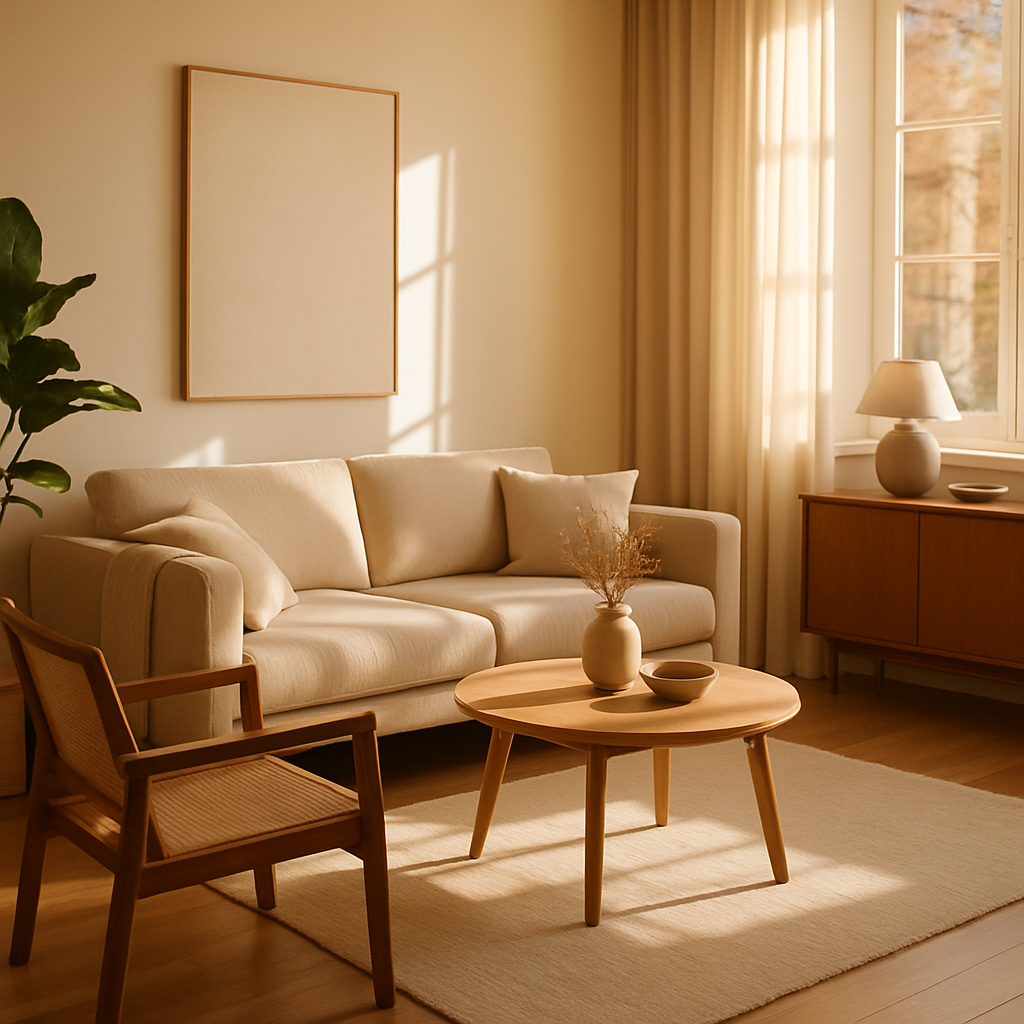
Have you ever walked into a room and felt immediately at peace, as though every element is in perfect harmony? This is the magic of interior design, a practice that can significantly enhance the quality of your living space. According to the National Association of Realtors, well-designed interiors can increase a home's resale value by 5-15%. But how do you find the right interior designer to transform your space? In this article, we'll explore foundational concepts in interior design, analyze the latest industry data, and provide actionable strategies to help you choose the best designer nearby. By the end, you'll have the tools to make informed decisions and turn your home into a sanctuary.
Understanding Interior Design: The Foundation
Interior design is more than just selecting the right color palette or furniture. It's a comprehensive process that involves creating functional and aesthetically pleasing spaces. Experienced professionals often note that the best designs start with a deep understanding of how space is used daily. For instance, mapping out where you drop your keys, where the kids do homework, or where you unwind at the end of the day can guide the design process significantly. This practical approach ensures that the design is not only beautiful but also functional.
Certified interior designers, such as those holding NCIDQ (National Council for Interior Design Qualification) credentials, bring a wealth of knowledge to the table. They are trained to understand both the artistic and technical aspects of design, from spatial planning to lighting design. The NCIDQ certification is a gold standard in the industry, ensuring the designer's proficiency and adherence to professional standards. Therefore, when searching for designers, it's prudent to consider those with such credentials.
Furthermore, the role of interior designers extends beyond aesthetics. They often collaborate with architects and builders to ensure that the design aligns with structural requirements and building codes. This collaboration is crucial during the concept development and design presentation phases of a project. By understanding these foundational concepts, you can better appreciate the complexity and scope of interior design, setting the stage for finding the best professionals in your area.
The Value of Data in Interior Design
In recent years, data-driven design has become increasingly important. Industry surveys, like those conducted by Houzz, reveal that homeowners who invest in professional interior design report higher satisfaction rates with their completed projects. According to Houzz's annual survey, nearly 75% of homeowners felt that hiring a professional was worth the investment, citing improved functionality and aesthetics as primary benefits.
Data also highlights the cost benefits of professional design. A well-executed interior redesign not only enhances daily living but can also boost the property's value. For example, integrating smart home technologies, a growing trend, can make a home more attractive to potential buyers. Features like automated lighting and climate control appeal to tech-savvy individuals looking for modern conveniences. Do these trends resonate with your vision for your home?
Moreover, platforms like Houzz and Pinterest provide invaluable insights into popular design trends and consumer preferences. By analyzing these trends, designers can tailor their approaches to meet client expectations, ensuring both satisfaction and financial returns. Understanding the data behind these decisions equips you with the knowledge to engage more effectively with designers, ensuring your needs and preferences are met.
Strategies to Find the Best Interior Designers Nearby
Finding the right interior designer involves more than a quick online search. Start by browsing designer portfolios on platforms like Houzz or Instagram. These platforms allow you to view completed projects and get a sense of each designer's style and capabilities. Are there particular designs that resonate with you? Taking notes on what you like can help refine your search and communication with potential designers.
Next, consider reaching out to professional organizations such as the ASID (American Society of Interior Designers) or IIDA (International Interior Design Association). These organizations have directories of certified designers, ensuring you connect with qualified professionals. Membership in such organizations often signals a commitment to ongoing education and adherence to industry standards.
Finally, arrange consultations with a few designers to discuss your project. During these meetings, ask about their fee structures, which can vary widely. Some designers charge a flat fee, others an hourly rate (typically ranging from $150 to $500 per hour), or a percentage of the total project cost. Understanding these details upfront can prevent misunderstandings later in the project, ensuring a smooth and successful collaboration.
Delving into Expert-Level Insights
Experienced designers often emphasize the importance of understanding your personal style and how it translates into your home environment. This understanding goes beyond mere aesthetics; it involves creating a space that reflects your lifestyle and personality. For instance, biophilic design, which incorporates natural materials and living elements, might appeal to those seeking a serene, nature-inspired atmosphere.
Moreover, the concept of "quiet luxury" is gaining traction. This trend focuses on understated elegance, prioritizing quality over quantity. It involves selecting pieces with timeless appeal and craftsmanship rather than following fleeting trends. Does this approach align with your vision of a serene yet sophisticated home?
Additionally, many designers now utilize advanced tools such as AR/VR room visualization software. These tools allow clients to virtually "walk through" a design before it's executed, providing an immersive preview of the final result. This technology can be incredibly helpful in making informed decisions about layout and design elements, ultimately leading to greater satisfaction with the completed project.
Additional Depth: Budgeting and Expectations
Budgeting is a critical aspect of any interior design project. Typically, a single room redesign might range from $5,000 to $15,000, while full-home projects can start at $50,000 and go up to $150,000 or more. It's important to have a clear budget in mind when engaging with designers to ensure alignment on project scope and costs.
Designers often work on a phased approach, starting with concept development, followed by design presentation, procurement, installation, and finally, styling. Each phase requires careful planning and collaboration, so setting realistic expectations for timelines and deliverables is crucial. Are you prepared to engage with a multi-phase project plan?
Moreover, discussing procurement is essential. Designers can often secure products at discounted rates through trade-only suppliers, passing on savings or adding a procurement markup. Understanding how a designer handles procurement can impact your overall budget and the final look of your project. Transparency in these discussions ensures a smoother process and a result that aligns with your vision and financial plan.
Wrapping Up: Final Perspectives
Finding the best interior designer nearby involves a blend of research, personal reflection, and strategic planning. By understanding the foundational concepts, leveraging data insights, and employing expert strategies, you can make informed decisions that lead to successful design outcomes. Remember, the goal is to create a space that not only meets your aesthetic desires but also enhances your daily living experience.
As you embark on this journey, consider how the latest trends and technologies might influence your project. Are there specific elements, like smart home integration or sustainable materials, that are non-negotiable for you? Keeping these priorities in mind will guide your conversations with designers and ultimately shape the final design.
Conclusion: Taking the Next Step
In summary, transforming your space with the help of a professional interior designer can be a rewarding endeavor. By following the outlined steps-understanding key concepts, analyzing data, implementing strategies, and engaging with experts-you'll be well-equipped to find the best designer nearby. Begin by exploring designer portfolios on platforms like Houzz or Instagram this week, even dedicating just 20 minutes can sharpen your eye for what you truly desire. This small step will set the foundation for a successful collaboration and ultimately, a space that resonates with you on every level.


Comments
Post a Comment