Transform Your Space: A Comprehensive Guide to Interior Design Principles
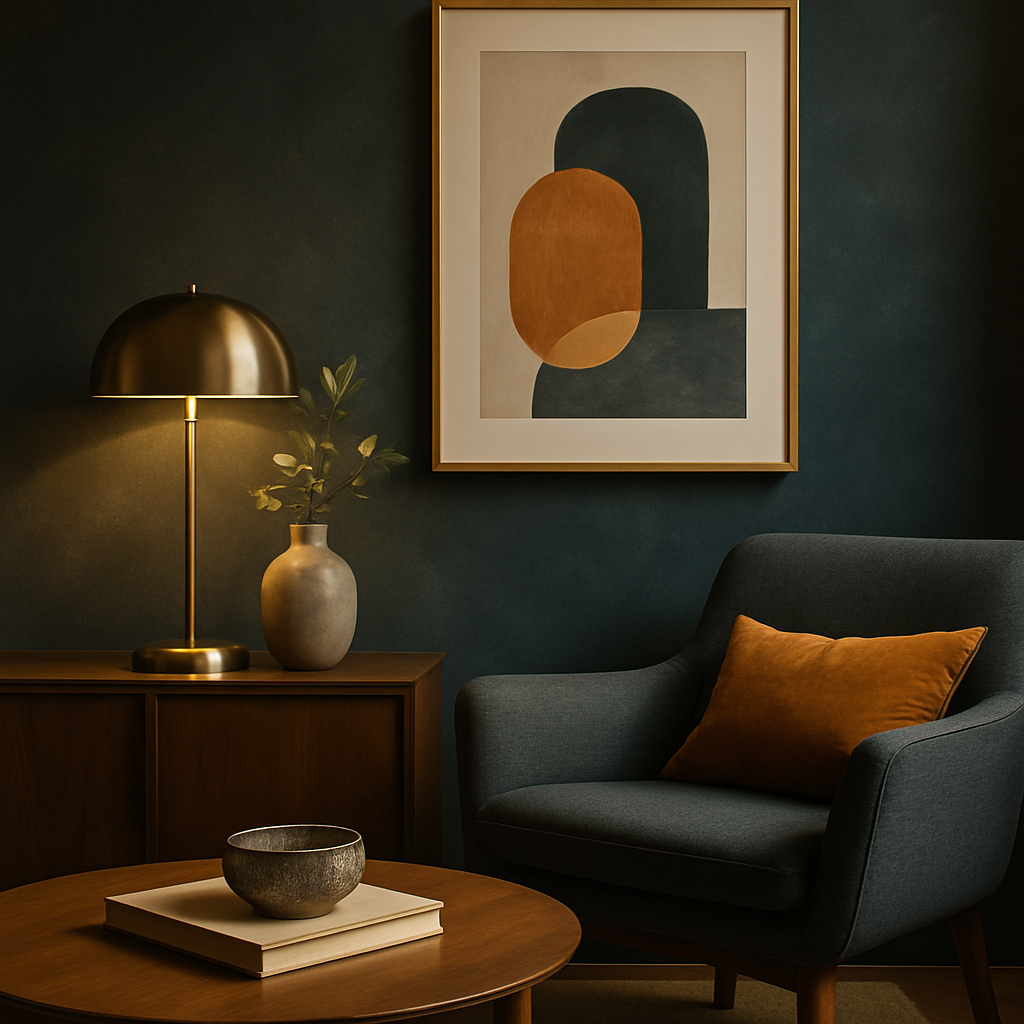
The power of interior design is undeniable - surveys suggest that well-designed interiors can enhance property values by 5-15%. But beyond financial gain, a thoughtfully crafted space can profoundly impact your daily life. Have you ever walked into a room and felt an immediate sense of calm or inspiration? This is the magic of effective interior design at work. In this guide, we will delve into the core principles of interior design, explore the impact of these principles with supporting data, and offer actionable strategies to help you transform your space. We'll also provide expert insights and additional depth to ensure you have a comprehensive understanding of interior design.
Understanding the Foundations of Interior Design
At the heart of interior design are foundational principles that guide the creation of harmonious and functional spaces. These principles include balance, contrast, rhythm, scale, and proportion. Balance is about distributing visual weight evenly in a room, which can be symmetrical, asymmetrical, or radial. Symmetrical balance is often seen in traditional interiors where elements are mirrored, while asymmetrical balance, more common in contemporary spaces, uses different objects to achieve balance. Radial balance radiates from a central point, like a circular dining arrangement.
Contrast involves using opposing elements, such as light and dark colors, or different textures, to create visual interest. It can be as simple as pairing a sleek metal lamp with a rustic wooden table. Rhythm in design is about creating movement through repetition of elements, like a series of artworks or a pattern in textiles. This principle helps guide the viewer's eye through the space, creating a sense of order and cohesiveness.
Scale and proportion refer to the relationship between objects in a space. Choosing furniture and decor that fit the room's dimensions ensures the space doesn't feel overcrowded or sparse. For instance, a large sectional sofa in a small living room might overwhelm the space, whereas appropriately scaled furniture will enhance comfort and functionality. These foundational principles are integral to creating a visually appealing and practical space, setting the stage for more advanced design elements.
The Impact of Design Principles: Data and Analysis
Industry research underscores the importance of these foundational principles. According to a recent Houzz survey, 73% of homeowners reported increased satisfaction after redesigning a space, attributing their contentment to improved functionality and aesthetics. This aligns with the industry consensus that a well-designed environment can significantly enhance one's quality of life. But what does the data reveal about the specific impact of these principles?
Consider the principle of balance: studies have shown that balanced spaces can reduce stress and promote relaxation. For example, a balanced bedroom design incorporating symmetry can enhance a sense of calm, which is essential for restful sleep. Similarly, incorporating contrast not only adds interest but can also enhance focus and productivity, particularly in workspaces where dynamic interactions with the environment are beneficial.
Moreover, rhythm and proportion have been linked to increased spatial awareness and functionality. By repeating elements such as colors or shapes, a space becomes more navigable and cohesive, making it easier for inhabitants to interact with their environment efficiently. Proportion, when correctly applied, ensures that spaces are visually pleasing and functionally effective, enhancing overall satisfaction. These findings underscore the significance of foundational design principles in creating spaces that are not only beautiful but also beneficial to our well-being.
Actionable Strategies for Transforming Your Space
Ready to apply these principles to your own home? Start by assessing your space's current layout and identifying areas that feel off-balance or lack contrast. For balance, consider rearranging furniture to create a more harmonious arrangement. Symmetrical layouts work well in formal living rooms, while asymmetrical arrangements can add interest to casual spaces. How does your space make you feel? If it doesn't evoke the right emotions, it might be time for a change.
To introduce contrast, experiment with color and texture. Incorporate a bold accent wall or mix materials like metal and wood. This not only enhances visual interest but can also reflect your personality and style. Rhythm can be implemented by repeating design elements such as lighting fixtures or patterns in rugs and cushions. This repetition can create a sense of flow and unity throughout your home.
When it comes to scale and proportion, take measurements before purchasing new items. Use tools like the Houzz app's AR feature to visualize how furniture will fit in your space. This step is crucial to avoid clutter and ensure that each piece contributes to the room's overall harmony. By thoughtfully applying these strategies, you can transform your space into a more inviting and functional environment.
Expert Insights on Advanced Design Techniques
Experienced professionals often note that integrating advanced design techniques can elevate a space from good to exceptional. One such technique is biophilic design, which incorporates natural elements to enhance wellbeing. This could mean adding indoor plants, using natural materials like wood and stone, or designing spaces with views of nature. According to the International Interior Design Association (IIDA), biophilic design can improve mood and productivity by fostering a connection with the natural world.
Smart home integration is another advanced technique gaining popularity. This involves incorporating technology such as automated lighting, climate control, and window treatments to enhance convenience and efficiency. The American Society of Interior Designers (ASID) notes that smart home features are not only trendy but also practical, catering to the tech-savvy homeowner seeking comfort and control at their fingertips.
Finally, the Japandi style - a fusion of Japanese minimalism and Scandinavian warmth - embodies the trend of quiet luxury and understated elegance. This style emphasizes simplicity, functionality, and the use of natural materials, creating spaces that are both serene and sophisticated. By incorporating these advanced techniques, you can achieve a thoughtfully designed space that reflects contemporary trends and personal preferences.
Additional Depth: Budgeting and Professional Help
Transforming your space doesn't have to break the bank. It's crucial to establish a realistic budget before embarking on a redesign project. For single-room makeovers, expect to invest between $5,000 and $15,000, while full-home projects might range from $50,000 to $150,000 or more. Understanding these costs upfront can help you plan effectively and avoid unexpected expenses.
When hiring a professional, consider whether you need a certified interior designer or a decorator. Certified designers, often holding credentials like the NCIDQ (National Council for Interior Design Qualification), have formal training and can handle more complex projects involving structural changes. Decorators, on the other hand, focus on aesthetics and are ideal for cosmetic updates. The choice depends on your project's scope and complexity.
Fee structures vary, with designers typically charging a flat fee, hourly rate (ranging from $150 to $500 per hour), or a percentage of the total project cost (usually 10-25%). Some may also apply procurement markups on furniture. Research designers on platforms like Houzz and review portfolios to find a professional whose style aligns with your vision. This thorough approach ensures you choose a partner who can bring your design dreams to life effectively.
Final Perspectives on Design Transformation
As you embark on the journey to transform your space, remember that the process is as important as the result. Engaging with each step thoughtfully can lead to a more satisfying outcome. Have you considered how each design choice will impact your daily life? A well-designed space should not only look good but also enhance your lifestyle and wellbeing.
Interior design is an evolving field, and staying informed about trends and techniques can help you make choices that stand the test of time. Whether you're integrating biophilic elements or experimenting with smart home features, the goal is to create a space that feels uniquely yours. By applying the principles and insights discussed, you can craft a home environment that supports your needs and reflects your personal style.
Ultimately, the transformation process is about more than just aesthetics. It's about creating a space that aligns with your values and enhances your day-to-day life. As you refine your design, keep the focus on balance and harmony to achieve a home that is both beautiful and functional.
Conclusion: Your Next Steps in Interior Design
In conclusion, mastering interior design principles can significantly impact how you experience your home. By understanding and applying foundational concepts like balance, contrast, rhythm, and proportion, you can create spaces that are both aesthetically pleasing and functional. Incorporating advanced techniques and engaging with professional insights further enhances this process.
Are you ready to begin your design journey? Start by browsing designer portfolios on platforms like Houzz this week. Even 20 minutes of research will sharpen your eye for what you want. As you explore, consider how different designs make you feel and how they might translate into your own space. With these strategies, you can transform your space into a true reflection of your style and needs.



Comments
Post a Comment