Transform Your Space: The Allure of Organic Modern Interior Design Trends
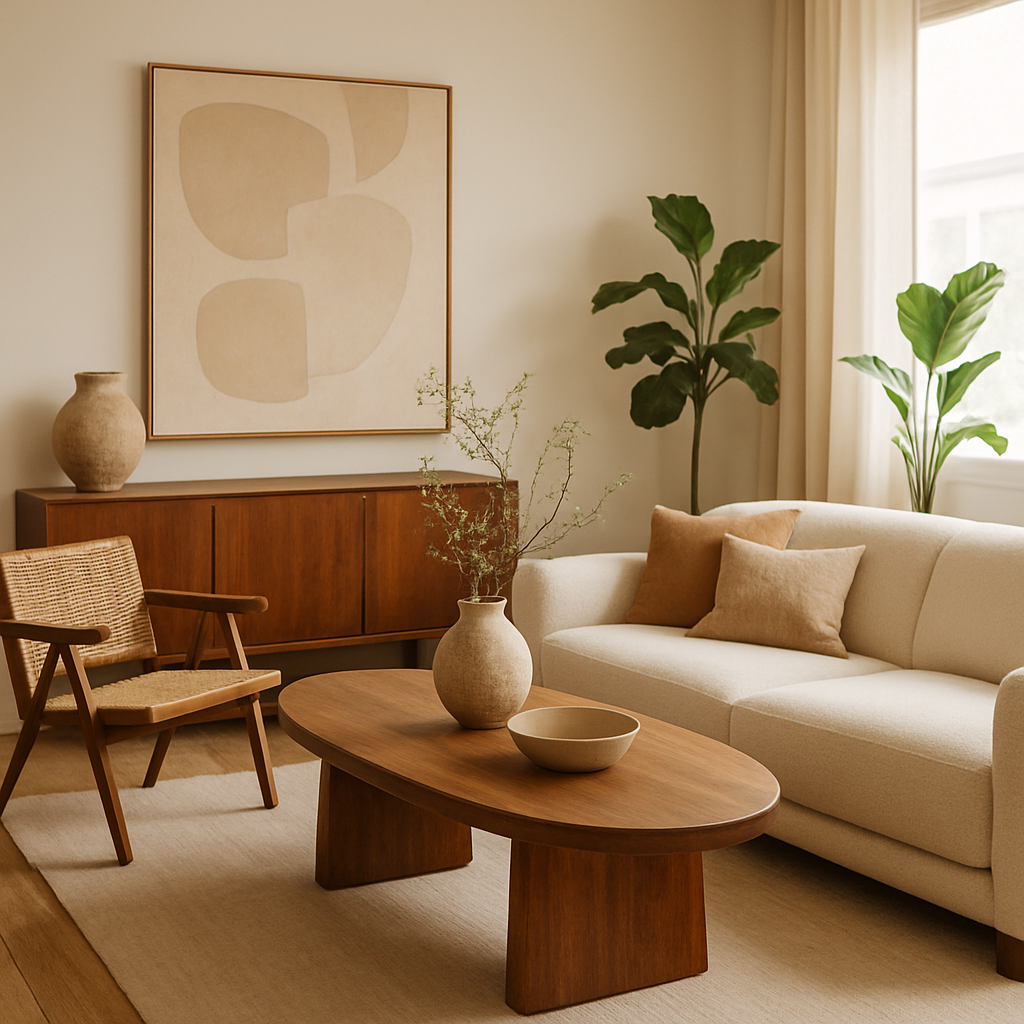
Have you ever walked into a room and felt an immediate sense of calm and connection to nature? That's the magic of organic modern interior design, a trend that seamlessly blends clean lines with natural elements. This design style is gaining rapid popularity as more people seek to create spaces that are not only aesthetically pleasing but also environmentally conscious and nurturing. This article will explore the foundational concepts of organic modern design, delve into the data behind its rise, offer actionable strategies for incorporating it into your home, and provide insights from industry experts. Whether you're planning a complete home overhaul or a single room refresh, understanding these trends can help you make informed decisions that elevate your space.
The Core Concepts of Organic Modern Design
At the heart of organic modern interior design is the harmonious fusion of minimalist aesthetics with natural elements. This style prioritizes the use of organic materials such as wood, stone, and metals, which are often left in their raw, unfinished state to emphasize their natural beauty. The color palette typically includes earthy tones like warm browns, soft greens, and muted grays, creating a serene and grounded atmosphere. This approach not only enhances the visual appeal of a space but also its tactile experience, inviting inhabitants to engage with their environment in a more meaningful way.
The concept of biophilic design plays a crucial role in organic modern interiors. Biophilia, the innate human affinity for nature, is integrated through design elements that blur the line between indoor and outdoor spaces. This can include large windows that maximize natural light, indoor plants, or even living walls. According to the American Society of Interior Designers (ASID), incorporating biophilic elements can improve well-being and productivity, making it a popular choice for both residential and commercial spaces.
Incorporating technology in a subtle manner is another key aspect of this design style. Smart home integration-such as automated lighting and climate control-enhances comfort and efficiency without detracting from the organic aesthetic. The goal is to create a space that feels both modern and timeless, where technology supports rather than overshadows the natural elements. As we transition to discussing the data surrounding these trends, consider how these core concepts might align with your personal vision for your space.
Why Organic Modern Design is on the Rise
Organic modern design is not just a passing trend; it's a response to growing consumer awareness about sustainability and well-being. According to a survey by Houzz, 70% of homeowners prioritize sustainable materials in their renovation projects. This shift towards eco-friendly choices is driving the popularity of organic modern interiors, where sustainability is seamlessly woven into the design fabric. Homeowners are no longer just looking for visually appealing spaces; they want environments that support their health and the planet.
The economic benefits of organic modern design also contribute to its appeal. Well-designed interiors can yield a 5-15% higher resale value, a statistic frequently cited by real estate professionals. Homes that embrace organic modern aesthetics often stand out in the market due to their unique blend of elegance and sustainability. This potential for increased property value makes investing in quality design a savvy financial decision, particularly in competitive housing markets.
Furthermore, the versatility of organic modern design appeals to a wide audience. Whether you're living in a city apartment or a suburban home, this style can be adapted to suit various architectural contexts. Experienced professionals often note that the adaptability of organic modern design makes it a practical choice for those looking to create a cohesive aesthetic across multiple spaces. As we move into actionable strategies, think about how these trends might fit into your home's existing structure and style.
Actionable Strategies for Incorporating Organic Modern Design
Transforming your home with organic modern design doesn't have to be an overwhelming task. Start small by incorporating natural materials into your existing decor. Consider replacing synthetic textiles with organic fabrics such as linen or wool, which not only enhance the texture of a room but also improve air quality by reducing volatile organic compounds (VOCs). Another simple change is to integrate more plants into your space. Not only do they add a pop of color, but they also purify the air and provide a sense of tranquility.
Lighting plays a crucial role in organic modern design. Opt for fixtures that incorporate natural materials like wood or rattan, and use dimmable LEDs to mimic the soft glow of natural light. This approach creates a warm and inviting atmosphere while maintaining energy efficiency. Additionally, consider installing smart lighting systems that allow you to adjust the ambiance with ease. These systems can be programmed to change throughout the day, supporting your natural circadian rhythm.
When it comes to furniture, prioritize pieces that offer both form and function. Look for designs that feature clean lines and incorporate natural materials, like a walnut dining table or a leather sofa. The key is to select items that complement each other while maintaining a minimalist aesthetic. If you're unsure where to begin, platforms like Houzz and Pinterest offer a wealth of inspiration and examples. As we proceed to expert-level insights, consider how these strategies might help you achieve the organic modern aesthetic you desire.
Expert Insights on Perfecting the Organic Modern Look
Experienced professionals often emphasize the importance of balance in organic modern design. According to the International Interior Design Association (IIDA), achieving harmony between minimalism and warmth is key. This can be accomplished by layering textures and mixing different materials. For example, pairing a sleek marble countertop with rustic wooden cabinets can create a visually interesting contrast without overwhelming the space.
Another expert tip is to focus on quality over quantity. Invest in a few statement pieces rather than cluttering your space with numerous decorative items. A striking piece of art or a unique piece of furniture can serve as a focal point, anchoring the room and enhancing its overall aesthetic. This less-is-more approach is not only in line with minimalist principles but also allows the natural elements of the design to shine.
Finally, consider enlisting the help of a certified interior designer who holds credentials like the NCIDQ (National Council for Interior Design Qualification) certification. These professionals have the expertise to guide you through the design process, ensuring that your space is both beautiful and functional. They can also assist with complex elements like space planning and lighting design, which are crucial to achieving a cohesive look. Next, we'll explore additional layers of detail that can personalize your organic modern interior.
Additional Layers of Detail for a Personalized Approach
To truly make your space your own, consider adding personal touches that reflect your personality and lifestyle. Incorporate elements that have personal significance, such as family heirlooms or travel souvenirs, into the organic modern framework. These items can add depth and character, making the space uniquely yours while maintaining the overall aesthetic.
Another way to personalize your interior is through the thoughtful use of color. While organic modern design typically favors neutral palettes, don't shy away from incorporating subtle pops of color that resonate with you. Whether it's a vibrant rug or a bold piece of art, these elements can add a dynamic layer to your space. Just be sure to balance bright colors with natural tones to maintain harmony.
Finally, consider the role of scent in your interior design. Natural fragrances, such as essential oils or soy-based candles, can enhance the sensory experience of your home. Scents like lavender or eucalyptus can promote relaxation, while citrus or peppermint can invigorate. These olfactory elements can further enrich the organic modern experience, adding an invisible layer of comfort and well-being. As we draw near to the conclusion, reflect on how these details might further enhance your design journey.
Final Perspectives on Organic Modern Interior Design
Organic modern interior design offers a unique opportunity to create a space that is both stylish and sustainable. By focusing on natural materials, minimalist aesthetics, and biophilic elements, you can craft an environment that supports both your well-being and the planet. This design approach is not only visually appealing but also adaptable, suited to a variety of homes and lifestyles.
As you consider incorporating organic modern design into your home, remember that the process is as much about personal expression as it is about aesthetics. Take the time to explore different materials, layouts, and color schemes to find what truly resonates with you. The beauty of this design style lies in its ability to evolve with you, offering endless possibilities for customization.
In our final thoughts, ponder how organic modern design might transform not just your home, but your lifestyle. How can these principles of balance, nature, and simplicity bring about a more harmonious living experience for you and your family? Let's wrap up with a call to action that can guide your next steps.
Conclusion: Your Next Steps in Embracing Organic Modern Design
As we've explored, organic modern interior design embodies a harmonious blend of elegance and sustainability. By incorporating natural materials, minimalist aesthetics, and biophilic elements, you can create a space that is both beautiful and beneficial to your well-being. Whether you're planning a large-scale renovation or a small decor update, remember that even small changes can have a significant impact.
Are you ready to transform your space with organic modern design? Start by browsing portfolios on platforms like Houzz and Pinterest this week. Even 20 minutes of research can sharpen your eye for what resonates with you and inspire your own design journey. Embrace the process and enjoy the journey of creating a home that truly reflects you.


Comments
Post a Comment