Transform Your Home: A Deep Dive into What Interior Design Entails
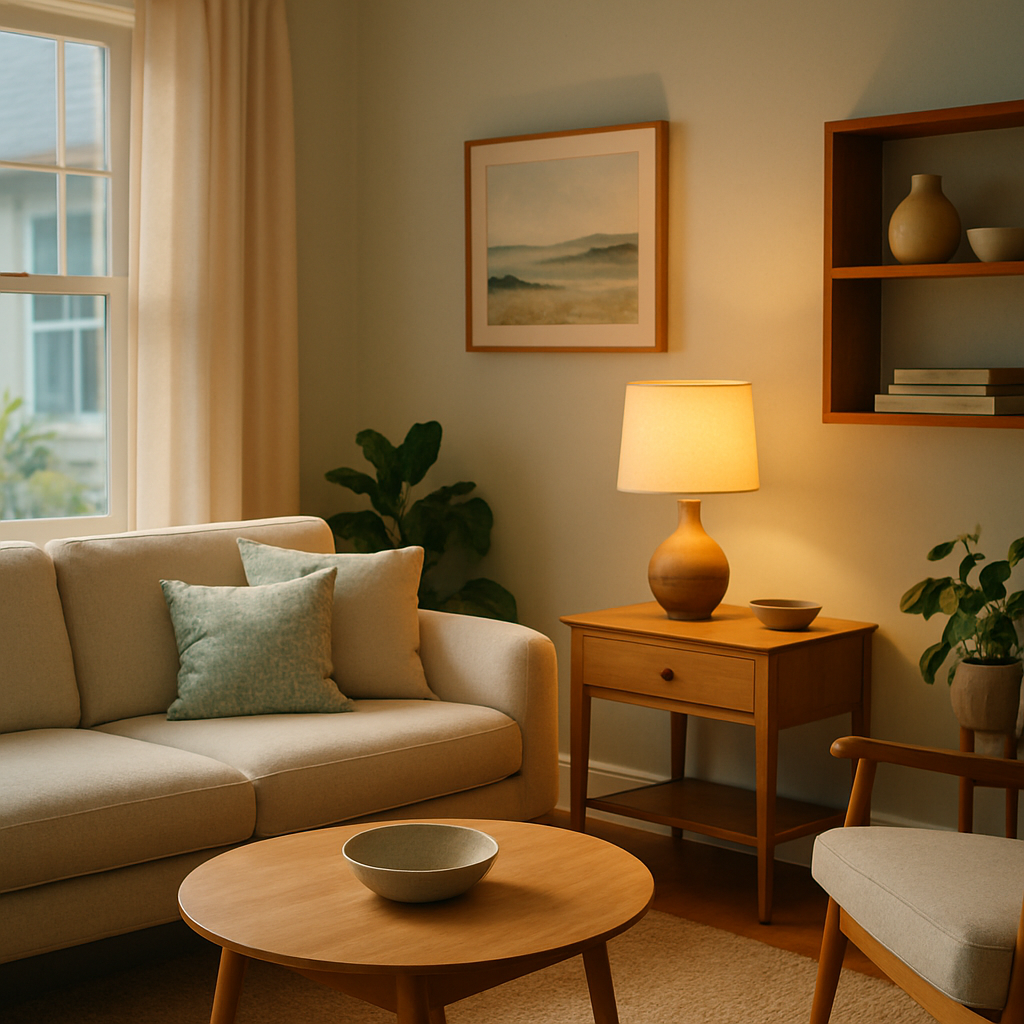
Have you ever walked into a room and felt an immediate sense of harmony, as though every element was perfectly placed? This transformative magic doesn't happen by chance-it is the result of thoughtful interior design. According to a survey by Houzz, homeowners who invest in professional design services report a significant increase in satisfaction with their living spaces. This article explores the nuances of interior design, from foundational concepts to expert strategies, providing you with a comprehensive understanding of how these principles can transform your home.
Understanding the Foundations of Interior Design
Interior design is more than just arranging furniture in a room; it's about creating functional, aesthetically pleasing spaces that enhance daily living. A certified interior designer, often holding credentials such as NCIDQ (National Council for Interior Design Qualification), is trained to consider several factors, including space planning, color schemes, and lighting. They approach each project with a keen eye for detail, ensuring every element contributes to the overall design vision.
Space planning is a critical component of interior design. It involves analyzing how space is used and deciding on the best layout to maximize efficiency and flow. For example, in a kitchen, this might mean ensuring the sink, stove, and refrigerator form a practical work triangle. Experienced professionals often note that effective space planning can significantly enhance the functionality of a room, making daily activities smoother and more enjoyable.
Color schemes also play a pivotal role in setting the tone of a room. Designers use color theory to create a cohesive palette that reflects the desired mood. Warm tones can create a cozy atmosphere, while cool tones may evoke a sense of calm. The choice of colors can impact how a space is perceived, influencing everything from the apparent size of the room to the emotions it evokes. Understanding these foundational concepts is key to appreciating the depth of interior design.
The Impact of Interior Design: Data and Trends
Statistics reveal the tangible benefits of investing in professional interior design. According to the American Society of Interior Designers (ASID), well-designed interiors can increase a home's resale value by 5-15%. This underscores the financial advantage of creating spaces that are not only beautiful but also thoughtfully designed to appeal to potential buyers.
Current trends in interior design emphasize sustainability and biophilic design. The use of natural materials, such as wood and stone, alongside living walls, helps to create a seamless indoor-outdoor connection. A recent study by Architectural Digest noted that homes incorporating biophilic elements have seen a marked increase in inhabitant well-being and productivity. This trend reflects a growing desire to bring elements of nature into the home, promoting a sense of tranquility and balance.
Smart home technology is another trend reshaping interiors. Automated systems for lighting, climate control, and even window treatments are becoming standard in modern homes. According to industry surveys, integrating smart technologies can enhance the user experience, providing convenience and energy efficiency. As these trends gain traction, they highlight the evolving nature of interior design and its impact on how we live.
Actionable Strategies for Your Interior Design Project
Embarking on an interior design project can be overwhelming, but breaking it down into manageable phases can help. Start with the concept development phase, where you'll define your vision and establish a budget. This is the time to gather inspiration from platforms like Houzz and Pinterest, which offer an array of designer portfolios and project photos to spark ideas.
Once you've established a clear vision, the design presentation phase allows you to refine these ideas with the help of a professional. Here, a designer will create detailed plans and visualizations. Many designers now use AR/VR tools to provide a virtual walkthrough of the proposed space, offering a vivid preview of the final outcome. This stage is crucial for ensuring your vision aligns with practical considerations and budget constraints.
The procurement and installation phases involve sourcing materials and furnishings, followed by executing the design plan. It's essential to have a clear timeline and a reliable team to handle these logistics. Experienced professionals often advise homeowners to remain flexible, as delays can occur. However, with careful planning, these phases can proceed smoothly, leading to the final styling stage, where finishing touches bring the design to life.
Expert Insights on Navigating Design Challenges
Even the most meticulously planned projects can encounter challenges. One common issue is budget management. To mitigate this, consider a contingency fund of 10-15% of your total budget to cover unexpected expenses. This precaution can prevent frustration and ensure the project remains on track. Are you prepared to adjust if surprises arise?
Choosing the right designer is another critical decision. Look for professionals with certifications like those from ASID or IIDA (International Interior Design Association), as these credentials indicate a high level of expertise. Additionally, reviewing past work and client testimonials can provide insight into their style and reliability. Establishing a strong rapport with your designer can lead to a more successful collaboration.
Finally, communication is key throughout the project. Regular check-ins with your design team can help address concerns and keep everyone aligned with the project's goals. According to industry professionals, effective communication can make the difference between a smooth project and one fraught with misunderstandings. By staying engaged and informed, you can navigate challenges more effectively.
Diving Deeper into Design Specializations
Interior design encompasses a wide range of specializations, each with its unique focus. Residential design, for instance, prioritizes creating comfortable, personalized spaces for living. This specialization often involves working closely with homeowners to reflect their tastes and lifestyles in the design.
Commercial design, on the other hand, focuses on functionality and brand representation in public spaces like offices, hotels, and retail stores. Designers in this field must balance aesthetics with practical requirements, such as traffic flow and compliance with safety regulations. Are you considering a redesign for a commercial space? Understanding these nuances can guide your decision-making process.
Another growing area is sustainable design, which emphasizes eco-friendly materials and energy-efficient solutions. This specialization aligns with broader societal shifts towards sustainability and can appeal to clients who prioritize environmental responsibility. By exploring these specializations, you can better appreciate the diverse opportunities within the field of interior design.
Final Perspectives on Interior Design's Role
Interior design is more than a profession; it's a transformative tool that shapes how we experience our environments. By thoughtfully integrating elements of design, you can create spaces that enhance your daily life and reflect your personal style. The process requires careful consideration and planning, but the results can profoundly impact your home and well-being.
As you embark on your design journey, remember that the goal is to craft a space that feels authentic and functional. Whether you're working with a professional or undertaking a DIY project, keeping your vision and needs at the forefront will guide you to success. How will you incorporate these design principles into your home to make it truly yours?
Interior design offers endless possibilities for creativity and expression. By understanding its principles and applying them thoughtfully, you can transform your living spaces into a harmonious retreat. The insights and strategies explored in this article are just the beginning of what you can achieve with thoughtful design.
Conclusion: Your Next Steps in Interior Design
Interior design holds the power to transform not only the physical spaces we inhabit but also our overall quality of life. By delving into this deep dive into what interior design entails, you now have a foundation to make informed decisions about your home. Whether you're looking to enhance a single room or embark on a full-home redesign, the principles outlined here will serve as a valuable guide.
Ready to take the next step? Start by browsing designer portfolios on platforms like Houzz or the ASID directory this week. Even dedicating just 20 minutes to research can sharpen your eye for what resonates with you. Embrace the journey of turning your home into a space that reflects your personality and supports your lifestyle. By doing so, you'll unlock the full potential of your living environment.



Comments
Post a Comment