Transform Your Home: 10 Must-Try Interior Design Trends
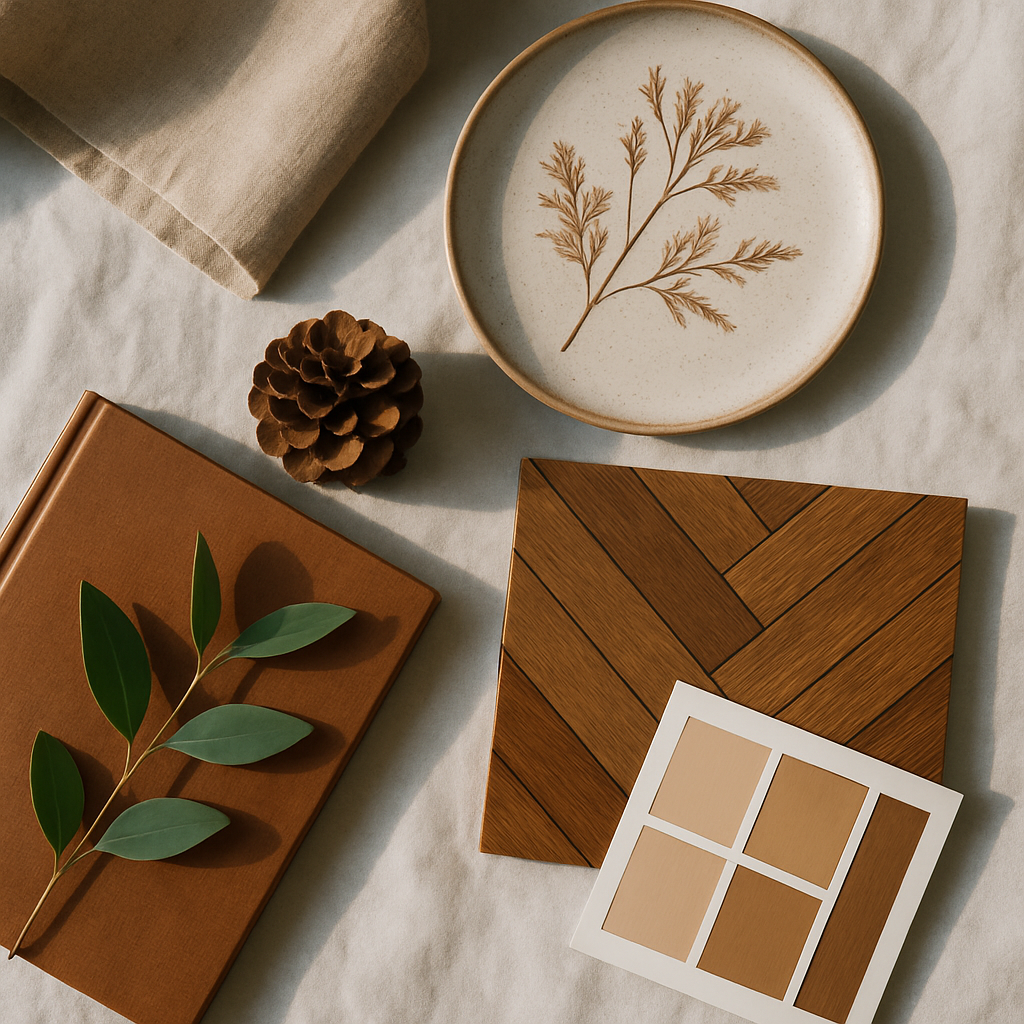
The way we think about our homes has shifted dramatically over the past few years. According to the American Society of Interior Designers (ASID), 78% of homeowners reported that their relationship with their living space changed significantly since 2020. The home is no longer just a shelter; it has become a workspace, a wellness retreat, and a reflection of personal identity. With design fees typically ranging from $150 to $500 per hour and full-room renovations costing between $5,000 and $15,000 per room, understanding which trends have genuine staying power is essential before you invest. What if you could pinpoint the trends that will still feel fresh two years from now? This guide walks you through ten interior design movements shaping 2024, giving you practical knowledge to make informed decisions about every room in your home.
Quiet Luxury: The Rise of Understated Elegance
Quiet luxury has emerged as one of the most defining aesthetics of the year, favoring quality materials and restrained palettes over ostentatious displays of wealth. The International Interior Design Association (IIDA) noted in its 2024 forecast that searches for "quiet luxury interiors" grew by 340% year-over-year. This movement draws on the principle that true sophistication speaks softly through expertly chosen fabrics, hand-finished woodwork, and furniture with clean, intentional lines. Rather than filling a room with logos or flashy metallics, the goal is to create spaces that feel elevated through craftsmanship alone.
Implementing quiet luxury starts with investing in fewer but higher-quality foundational pieces. Consider a cashmere throw draped across a linen-upholstered sofa, or hand-blown glass pendant lights suspended over a solid walnut dining table. The color palette leans toward warm taupes, soft ivories, and muted stone tones that create a sense of calm without feeling sterile. Texture becomes the primary tool for visual interest, with bouclé, raw silk, and brushed brass replacing the bold patterns that dominated previous years.
One practical approach is to audit your current furnishings and identify which pieces feel temporary or trend-driven. Replace those items gradually with investment-grade alternatives that will age gracefully. Houzz reported that homeowners who adopted this strategy spent 15% less over a five-year period compared to those who redecorated annually with fast-furniture options. The quiet luxury approach rewards patience, treating each addition as a deliberate choice rather than an impulse purchase. Have you considered which pieces in your current home already align with this philosophy?
Biophilic Design: Bringing Nature Indoors with Purpose
Biophilic design goes far beyond placing a potted plant on a windowsill. It is a research-backed approach to integrating natural elements into built environments, and it has gained serious traction among certified designers holding NCIDQ credentials. Studies published in partnership with the ASID Foundation found that biophilic interiors can reduce occupant stress levels by up to 37% and improve cognitive function by 15%. The approach encompasses natural light optimization, organic material selection, water features, and spatial layouts that mimic patterns found in nature.
Practical biophilic interventions include installing living walls or moss panels in home offices, choosing furniture crafted from sustainably sourced timber, and orienting seating arrangements to maximize exposure to daylight. Large-format windows, skylights, and even strategically placed mirrors can amplify the presence of natural light throughout interior spaces. The sounds of water from tabletop fountains or the tactile quality of a stone accent wall engage multiple senses, creating an immersive connection to the outdoors even within an urban apartment.
Designers recommend starting with a single biophilic focal point in each room rather than attempting a complete overhaul. A reclaimed wood accent wall in a bedroom, a collection of trailing plants suspended from ceiling hooks in a kitchen, or a pebble-lined entryway tray can each serve as anchors for this aesthetic. The IIDA emphasizes that biophilic design is most effective when it feels integrated rather than applied as decoration. Natural elements should interact with the architecture of the space, following sightlines and complementing proportions rather than competing with them.
Japandi: Where Minimalism Meets Warmth
Japandi, the design fusion of Japanese wabi-sabi and Scandinavian hygge, continues to mature as a movement in 2024. What began as an internet-driven aesthetic has evolved into a disciplined philosophy of space-making that professional designers now reference in formal project briefs. AD PRO featured Japandi as one of its top five enduring styles, noting that its appeal lies in the way it balances austerity with comfort. Neither cold nor cluttered, Japandi interiors cultivate a sense of serene intentionality that resonates with homeowners seeking respite from sensory overload.
The Japandi palette revolves around warm neutrals paired with deep, grounding tones such as charcoal, indigo, and forest green. Furniture silhouettes are low-profile and geometric, often featuring exposed joinery that celebrates the craft of construction. Materials like light-toned oak, ceramic, linen, and handmade paper lanterns recur throughout Japandi spaces. Every object earns its place through function, beauty, or ideally both. The absence of clutter is not achieved through hiding belongings but by curating possessions down to those that genuinely serve a purpose or bring aesthetic satisfaction.
To transition toward a Japandi-influenced interior, begin by decluttering each room systematically. The ASID recommends the "one in, one out" rule during this phase to prevent accumulation from undermining your efforts. Next, introduce organic textures and handcrafted accents that add warmth without visual noise. A single ceramic vase on an otherwise bare shelf, a woven jute rug beneath a simple platform bed, or a set of linen curtains in an undyed natural tone can shift the entire mood of a room. What aspects of your daily routine would benefit from a calmer, more intentional living environment?
Smart Home Integration: Technology That Disappears
The most compelling smart home designs of 2024 share a common trait: the technology is invisible. Gone are the days of conspicuous gadget displays and tangled wires. Instead, leading designers are embedding automation into the architectural fabric of the home, where voice-controlled lighting, motorized window treatments, and climate systems respond seamlessly to occupant behavior. Houzz's annual design survey found that 62% of renovating homeowners now consider smart integration a baseline expectation rather than a luxury add-on.
Flush-mounted speakers that sit behind drywall, under-cabinet sensors that adjust task lighting based on time of day, and smart glass that transitions from transparent to opaque at the touch of a button represent the current frontier of invisible technology. These solutions require advance planning during the design phase, which is why the NCIDQ now includes technology integration competencies in its professional certification requirements. The upfront investment is meaningful, but the payoff is a home that adapts to its occupants without requiring constant manual interaction.
For homeowners not undertaking a full renovation, retrofit-friendly options abound. Smart bulbs with tunable color temperatures can replicate circadian lighting patterns, while compact hub systems consolidate control of blinds, thermostats, and security cameras into a single interface. The key design principle is concealment: routers tucked into decorative boxes, charging stations built into drawer interiors, and cable management systems hidden within baseboards. AD PRO's technology editor emphasized that the best smart home is one where guests never notice the technology at all, experiencing only the comfort it creates.
Curved Furniture and Organic Forms
Sharp angles and rigid geometries are yielding ground to softer, more sculptural shapes across furniture and architectural details. Curved sofas, arched doorways, rounded kitchen islands, and oval dining tables have become hallmarks of contemporary residential design. The IIDA attributes this shift partly to a collective desire for comfort and partly to advances in manufacturing that make complex curves more accessible at moderate price points. A 2024 furniture industry report indicated that sales of curved seating increased by 28% compared to the previous year.
Organic forms create visual flow within a room, guiding the eye along gentle contours rather than stopping it at hard corners. This quality makes curved furniture particularly effective in open-plan layouts, where distinct zones need to coexist without rigid partitions. A kidney-shaped coffee table can define a conversation area without blocking sightlines, while an arched floor mirror softens a hallway that might otherwise feel narrow and utilitarian. Designers often pair these rounded elements with textured upholstery in warm tones to amplify the sense of approachability.
When incorporating curved pieces, proportion matters more than quantity. A single statement item, such as a serpentine sofa or a round pendant light cluster, anchors the room's organic character without overwhelming the space. The ASID suggests limiting curved elements to two or three per room and balancing them with linear accents like rectangular shelving or vertical paneling. This contrast prevents the space from feeling overly soft or lacking structure. Budget-conscious homeowners can introduce curves through accessories first: a circular tray on a console, arched bookends, or a set of cylindrical ceramic vases.
Bold Kitchens and Maximalist Backsplashes
While quiet luxury dominates living rooms and bedrooms, kitchens have become the stage for bolder creative expression. Hand-painted tile backsplashes, richly veined marble countertops, and cabinetry in saturated hues like emerald, navy, and terracotta are defining the most talked-about kitchen renovations of the year. Houzz's Kitchen Trends Study reported that 41% of renovating homeowners chose a non-white cabinet color in 2024, the highest proportion in the survey's history. The kitchen has evolved from a purely functional zone into a space where personality is celebrated.
Maximalist backsplashes deserve particular attention because they offer high visual impact at a relatively contained cost. Zellige tiles from Morocco, encaustic cement patterns, and custom ceramic murals allow homeowners to introduce artisanal character without committing to a full-room overhaul. These surfaces become focal points that anchor the kitchen's design language, setting the tone for hardware finishes, lighting choices, and countertop materials. Paired with open shelving that displays curated dishware, a statement backsplash transforms everyday cooking into a more aesthetically engaging experience.
Designers recommend committing fully to one bold element rather than distributing moderate boldness across several features. If the backsplash is the hero, keep countertops and flooring relatively neutral to allow it to command attention. Conversely, if you choose a dramatic countertop slab, let the backsplash recede into a complementary supporting role. NCIDQ-certified professionals refer to this as the "focal hierarchy" principle, and it applies regardless of budget or kitchen size. Even a galley kitchen with modest square footage can feel design-forward when one surface is treated as an intentional showpiece. How would a single bold surface change the energy of your kitchen?
Conclusion: Making These Trends Work for Your Home
The ten trends shaping interior design in 2024 share a common thread: they prioritize how a space feels over how it photographs. Whether you gravitate toward the restrained elegance of quiet luxury, the natural connectivity of biophilic design, or the artisanal boldness of a maximalist kitchen, the most successful implementations are those that align with your actual daily life. According to the ASID, homeowners who design around their routines rather than abstract aesthetics report 45% higher satisfaction with their spaces three years after renovation.
Start by identifying one or two trends that resonate with the way you already live, then introduce changes incrementally. A biophilic accent in a home office, a curved armchair replacing an angular one in a reading nook, or smart lighting installed in a single hallway can each serve as low-risk entry points. From there, you can assess what works before committing to larger investments. The goal is not to replicate a showroom but to build a home that supports your wellbeing, reflects your taste, and adapts gracefully as your life evolves.
Consider consulting with an NCIDQ-certified designer for a focused two-hour strategy session before embarking on any significant project. Many professionals offer initial consultations in the $150 to $300 range, providing a roadmap that can save thousands in avoided missteps. Take the first step today: walk through your home with fresh eyes and note which rooms energize you, which ones drain you, and where the gap between your current space and your ideal one feels widest. That observation is where every great design transformation begins.



Comments
Post a Comment