Top 5 Innovative Projects from Newark School of Architecture and Interior Design Students
Imagine a world where living spaces are not only functional but also works of art that reflect our deepest values and aspirations. According to a recent survey by the American Institute of Architects (AIA), nearly 60% of homeowners express a strong desire for innovation in their interior design. At the forefront of this movement are the dynamic projects emerging from the Newark School of Architecture and Interior Design. In this article, we explore five groundbreaking projects that highlight the creativity and expertise of these students, offering insight into the future of interior design. From sustainable materials to smart home integration, these projects are setting new standards in the industry.
Project 1: The Biophilic Retreat
Biophilic design has been at the heart of interior design trends in recent years, and the Biophilic Retreat project exemplifies its principles. This project aims to create a seamless connection between indoor and outdoor environments, utilizing natural materials and abundant greenery. Students at Newark have embraced this trend by incorporating living walls, reclaimed wood, and large windows that flood spaces with natural light. According to the International Interior Design Association (IIDA), biophilic elements can enhance well-being and productivity, making this approach increasingly popular in both residential and commercial spaces.
The Biophilic Retreat goes beyond aesthetics by integrating sustainability into its core. The design features energy-efficient systems and materials sourced from local suppliers, reducing the carbon footprint of the project. As industry professionals often note, the integration of sustainable practices is not just a trend; it's a necessity. By using eco-friendly materials, the project not only benefits the environment but also adds a unique character to the space.
One of the standout features of this project is its use of smart home technology to control lighting and climate. This integration is not only convenient but also contributes to energy savings. As more homeowners seek to lower their energy consumption, smart technology becomes a valuable tool in modern design. The Biophilic Retreat sets a precedent for how technology and nature can coexist harmoniously in our living spaces. How often do you consider the environmental impact of your own home?
Project 2: The Quiet Luxury Suite
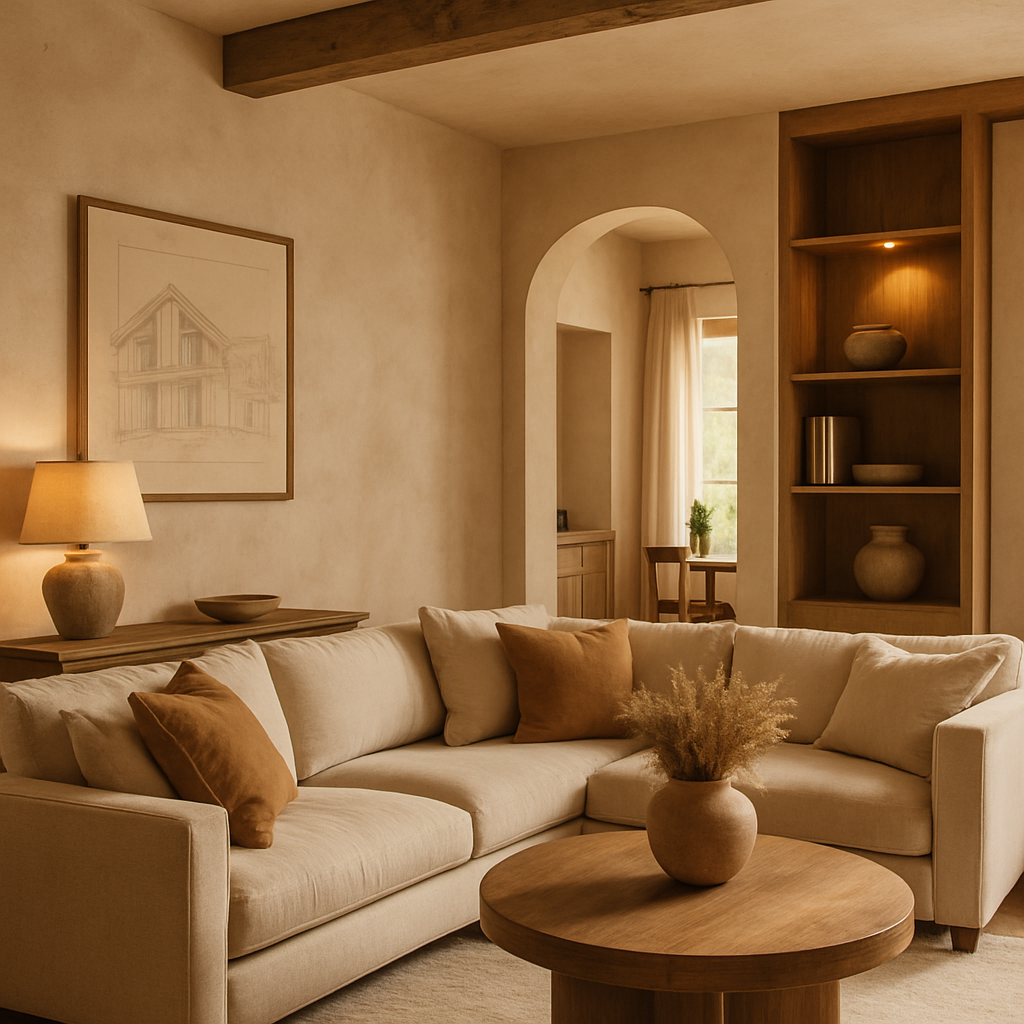
Quiet luxury is a trend that emphasizes understated elegance and quality materials over opulence. This project showcases the sophisticated simplicity that has captured the attention of many. Students designed the Quiet Luxury Suite with a focus on minimalism and high-end materials, such as cashmere, silk, and natural stone. According to Houzz, projects that incorporate these elements can increase a home's resale value by up to 15%.
The suite features a neutral color palette, allowing the natural textures to speak for themselves. The design is both timeless and adaptable, offering a serene retreat from the chaos of daily life. This approach aligns with the growing demand for spaces that promote relaxation and mindfulness. The National Council for Interior Design Qualification (NCIDQ) often emphasizes the importance of creating environments that cater to mental well-being, and the Quiet Luxury Suite does just that.
What makes this project truly innovative is its use of AR/VR technology in the design process. By allowing clients to visualize the space in a virtual environment, designers can ensure that every detail aligns with the client's vision before implementation. This technology not only enhances the design process but also minimizes costly revisions. Have you ever wished you could 'walk through' a design before committing to it? This project makes it possible.
Project 3: Urban Oasis
The Urban Oasis project focuses on transforming compact urban apartments into functional and stylish living spaces. With urbanization on the rise, the challenge of optimizing small spaces has never been more relevant. This project demonstrates how thoughtful design can maximize functionality without sacrificing aesthetics. Students utilized multi-functional furniture and clever storage solutions to create a spacious feel in limited square footage.
Incorporating Japandi design principles, which blend Japanese minimalism with Scandinavian warmth, the Urban Oasis achieves a balance between simplicity and comfort. According to Architectural Digest, this hybrid style is gaining popularity for its ability to create calming environments. By integrating natural materials like bamboo and soft textiles, the project brings a touch of nature into the urban setting.
Additionally, the project leverages smart home features, such as automated window treatments and climate control, to enhance the living experience. These technologies not only offer convenience but also contribute to energy efficiency. As cities become more congested, finding ways to make urban living more sustainable is crucial. The Urban Oasis provides a blueprint for how this can be achieved. Could your space benefit from a similar transformation?
Project 4: The Sustainable Sanctuary
With the increasing focus on environmental responsibility, the Sustainable Sanctuary project is a testament to the students' commitment to eco-friendly design. This project emphasizes the use of sustainable and reclaimed materials, such as recycled glass and metal, to create a space that is both beautiful and environmentally conscious. As the ASID reports, sustainable design is not only beneficial for the planet but also appeals to eco-conscious consumers.
The design features an open-plan layout that encourages natural light and ventilation, reducing the need for artificial lighting and air conditioning. This approach not only conserves energy but also creates a healthier living environment. The students employed local craftsmanship to reduce transportation emissions and support the community, aligning with the growing trend of localism in design.
One of the unique aspects of the Sustainable Sanctuary is its focus on modular design, allowing the space to adapt to the changing needs of its occupants. This flexibility is particularly appealing in a world where lifestyles are constantly evolving. By considering future adaptability, the project ensures longevity and relevance. How can modular design principles be applied to your own home to anticipate future needs?
Project 5: The Interactive Learning Hub
Education spaces are evolving, and the Interactive Learning Hub project is at the forefront of this transformation. Designed for a high-tech learning environment, this project incorporates interactive elements that facilitate collaboration and engagement. Students integrated flexible seating arrangements and interactive whiteboards to create a dynamic educational space.
The design also includes advanced acoustics and lighting systems to enhance concentration and reduce distractions. According to research from the NCIDQ, well-designed learning environments can improve student outcomes and satisfaction. By prioritizing functionality and adaptability, the Interactive Learning Hub sets a new standard for educational spaces.
Moreover, the project utilizes sustainable materials and energy-efficient systems, underscoring the importance of environmental responsibility in institutional design. As educational institutions seek to reduce their carbon footprint, projects like this provide a roadmap for integrating sustainability into their infrastructure. How might these design innovations improve learning experiences in your community?
Final Perspectives on Design Innovation
These five projects from the Newark School of Architecture and Interior Design highlight the innovative spirit and technical prowess of the next generation of designers. By embracing sustainability, technology, and thoughtful design, students are creating spaces that not only meet the needs of today but also anticipate those of tomorrow. As the industry evolves, these projects serve as a testament to the potential of creative and responsible design.
Each project showcases a different aspect of interior design, from residential spaces to educational environments, demonstrating the versatility and breadth of the field. The emphasis on sustainability and technology reflects broader industry trends, indicating a shift towards more conscious and efficient design practices. As consumers become more aware of their environmental impact, the demand for such innovative solutions will undoubtedly grow.
What lessons can you take from these projects to apply in your own design endeavors? Whether it's incorporating smart technology, sustainable materials, or innovative layouts, these projects offer a wealth of inspiration. The future of design is bright, and these students are leading the way.
Conclusion: Embrace the Future of Design
The innovative projects emerging from the Newark School of Architecture and Interior Design not only expand the boundaries of creative expression but also offer practical solutions for the challenges faced by modern designers. By integrating cutting-edge trends like biophilic design, quiet luxury, and sustainable practices, these students are setting a new standard for what interior design can achieve.
As you consider your next design project, take inspiration from these innovative ideas. Start by exploring the portfolios of emerging designers on platforms like Houzz and Instagram. Even a brief period of research can sharpen your eye for design possibilities and help you identify what resonates with your personal style. Ultimately, the key is to embrace creativity and sustainability in equal measure. Begin your journey today by imagining how these trends can transform your own living spaces.



Comments
Post a Comment