Top 10 Online Interior Design Tools to Revamp Your Space Effortlessly
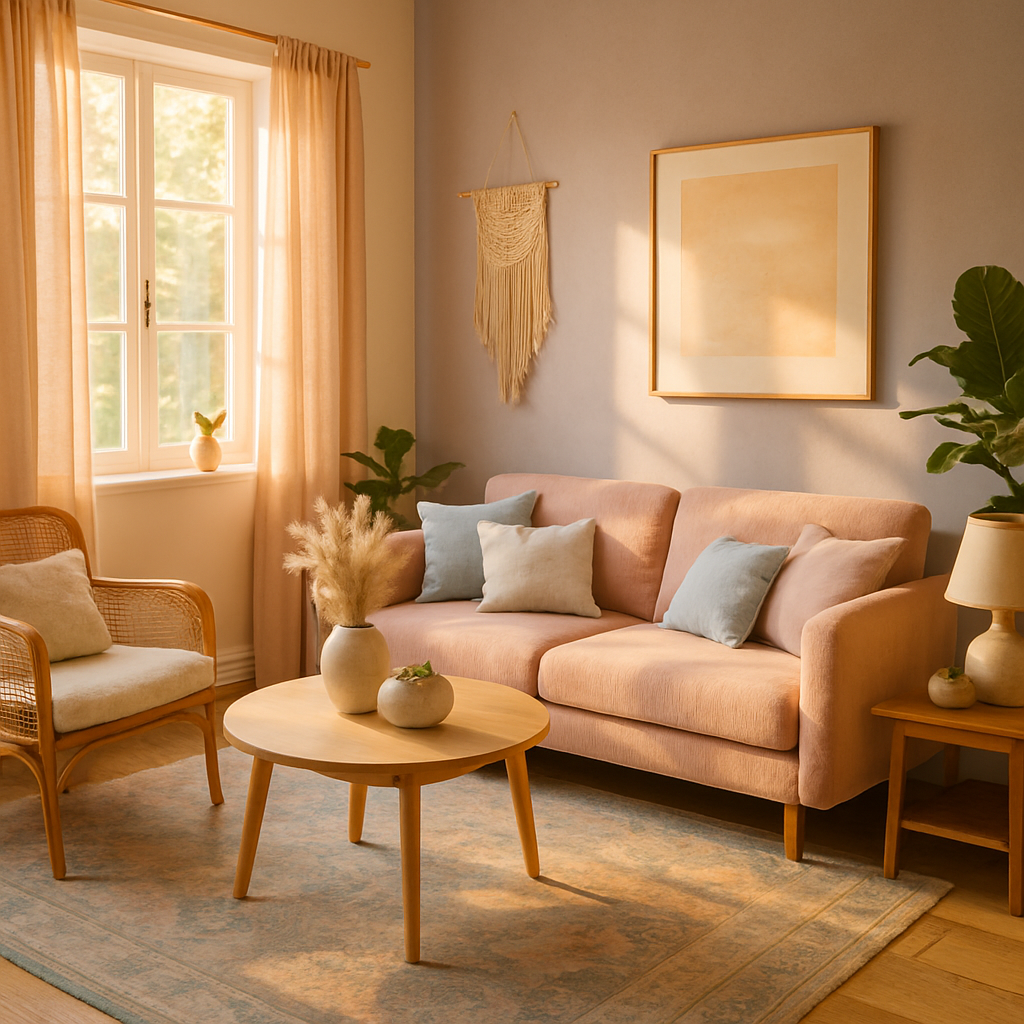
Are you tired of your living space but overwhelmed by the thought of redesigning it? According to a recent Houzz survey, over 70% of homeowners report feeling stuck when it comes to upgrading their interiors. Fortunately, the rise of online interior design tools has revolutionized the way we approach home decor, making it easier than ever to transform your environment without the hassle of traditional methods. This article will explore the top 10 online interior design tools that can help you effortlessly revamp your space. From foundational concepts to expert-level details, we will guide you through the process of selecting the right tools to bring your vision to life.
Understanding the Basics of Online Interior Design Tools
Before diving into the specifics of each tool, it's essential to grasp the foundational concepts that drive these digital innovations. Online interior design tools are user-friendly platforms that allow you to visualize and plan your space without needing to physically move furniture or paint walls. Many of these platforms provide 3D modeling capabilities, enabling you to see how different elements work together in real time. By utilizing these tools, you can experiment with various layouts, color schemes, and furniture arrangements before making any commitments.
One of the primary advantages of these tools is their accessibility. Whether you're a seasoned interior designer with NCIDQ credentials or a DIY enthusiast, these platforms cater to a wide range of skill levels. They offer intuitive interfaces and step-by-step guides, ensuring that even beginners can navigate the design process with confidence. This democratization of design expertise allows anyone with an internet connection to access professional-grade resources.
Moreover, online interior design tools often integrate with other platforms, such as Pinterest and Instagram, for inspiration and portfolio research. This integration allows users to draw from a vast pool of ideas and trends, including the popular Japandi style and biophilic design. By understanding these basic principles, you're better prepared to delve into the specifics of the tools themselves, setting the stage for more detailed exploration in the following sections.
Analyzing the Benefits of Digital Design Platforms
When evaluating digital design platforms, it's crucial to consider the tangible benefits they offer. According to a 2024 survey by the American Society of Interior Designers (ASID), homeowners who use digital tools for their projects report a 30% increase in satisfaction compared to traditional methods. This boost in happiness can be attributed to the enhanced ability to visualize final outcomes, reducing the risk of costly mistakes.
These platforms often come equipped with AR/VR room visualization tools, providing a lifelike preview of how changes will appear in your space. This technology allows for a deeper analysis of spatial dynamics and lighting conditions, elements that are often challenging to grasp through static images. As a result, users can make informed decisions, aligning their design choices with practical needs and aesthetic goals.
Furthermore, many of these tools include built-in budgeting features, helping you keep track of expenses as you plan. By inputting costs for materials, furniture, and labor, you can maintain financial control over the project. This feature is particularly beneficial for those managing large-scale renovations, where budget overruns are a common concern. With these insights, we can now explore actionable strategies to maximize the effectiveness of these tools in your design journey.
Implementing Actionable Strategies for Effective Design
To make the most of online interior design tools, it's important to use them strategically. Start by creating a clear vision of your ideal space. What functions do you need it to serve? How do you want it to feel? Answering these questions will guide your design process. Utilize platforms like SketchUp or Roomstyler to draft initial layouts. These tools offer drag-and-drop functionality, making it easy to experiment with different configurations.
Next, leverage the power of community feedback. Platforms like Houzz allow you to share drafts and get input from both professionals and peers. This collaborative approach can offer new perspectives and innovative solutions that you might not have considered. Experienced professionals often note that peer reviews can elevate a design from good to exceptional by highlighting overlooked details.
Finally, don't underestimate the value of mobile accessibility. Many of these tools offer mobile apps, enabling you to work on your project anywhere, whether you're at home or shopping for materials. By staying engaged with your design process, you can make real-time adjustments and ensure that every decision aligns with your overall vision. Transitioning from these strategies, let's delve into expert-level insights that can further refine your design approach.
Exploring Expert-Level Insights for Advanced Users
For those seeking to elevate their design projects to a professional level, understanding industry-specific insights is key. Certified interior designers, such as those holding IIDA credentials, often employ advanced features within digital tools to achieve precision in their work. For instance, using CAD-based platforms like AutoCAD allows for meticulous technical drawings that ensure every element fits perfectly within a space.
Moreover, experienced designers frequently utilize procurement tools integrated into these platforms to manage the sourcing of materials and furnishings. This feature not only streamlines the process but also provides access to exclusive trade discounts, which can significantly impact the overall budget. Knowledge of these details can transform the way you approach procurement, offering a competitive edge in both cost efficiency and quality.
Another critical insight involves the use of sustainable and reclaimed materials, a trend gaining traction for its environmental benefits. Tools that feature extensive libraries of eco-friendly options enable users to design spaces that are not only beautiful but also sustainable. Incorporating these elements can enhance the resale value of your property, aligning with the commonly cited statistic that well-designed interiors can yield a 5-15% higher resale value. As we move to the next section, we will discuss additional depth and detail to further inform your design efforts.
Unpacking Additional Depth in Online Design Tools
To truly harness the power of online interior design tools, it's important to delve into the subtle features that can significantly enhance your project. Many platforms, such as Planner 5D or Homestyler, offer extensive libraries of 3D models, allowing for detailed customization of every aspect of your room. These models can be adjusted for color, texture, and size, offering a level of specificity that can bring your vision to life with accuracy.
Furthermore, collaboration features are increasingly being incorporated into these tools. This allows multiple users to work on a project simultaneously, which is particularly useful for teams or family members who want to contribute to the design process. By facilitating real-time collaboration, these tools ensure that everyone involved has a voice, leading to more cohesive and satisfying outcomes.
Lastly, consider the importance of ongoing updates and tech support. As technology evolves, so do the capabilities of these platforms. Staying informed about new features and improvements can keep your design approach current and innovative. This commitment to continuous learning is essential for maximizing the utility of these tools. Transitioning from these additional insights, let's consolidate our understanding with final perspectives on utilizing these resources effectively.
Final Perspectives on Utilizing Design Tools
As we draw closer to integrating online interior design tools into your life, remember that the key to success lies in how you use these resources. Are you ready to take control of your design projects with newfound confidence? Begin by familiarizing yourself with the tool's interface and features, dedicating time to experiment with different functionalities before committing to a final design.
Consider setting aside specific times each week to work on your design project. Consistency is crucial for maintaining momentum and ensuring that your vision remains focused. Many users find that incremental progress helps in refining ideas and achieving a polished final result. Remember, the goal is not just to revamp a space but to create an environment that reflects your personal style and meets your functional needs.
With these final perspectives in mind, you're now equipped to make informed decisions about which tools best align with your interior design goals. Our exploration has provided you with a comprehensive understanding of the top 10 online interior design tools available. It's time to apply this knowledge and transform your space effortlessly.
Conclusion: Taking the Next Step in Your Design Journey
In conclusion, the top 10 online interior design tools offer a wealth of opportunities for anyone looking to revamp their space effortlessly. By understanding the basics, analyzing the benefits, implementing actionable strategies, and exploring expert-level insights, you can take full advantage of these platforms to create a space that truly resonates with your style and needs. Whether you're tackling a single room or an entire home, these tools provide the flexibility and precision needed to achieve stunning results.
Your next step? Start by browsing portfolios on Houzz this week - even 20 minutes of research will sharpen your eye for what you want. Dive into the world of online design tools, experiment with their features, and watch as your space transforms before your eyes. Remember, the journey of redesigning your home should be as enjoyable as the final outcome. With the right tools at your disposal, you're well on your way to creating a space that not only looks amazing but also functions perfectly for your lifestyle.



Comments
Post a Comment