Top 10 Interior Design Principles Every Homeowner Should Know
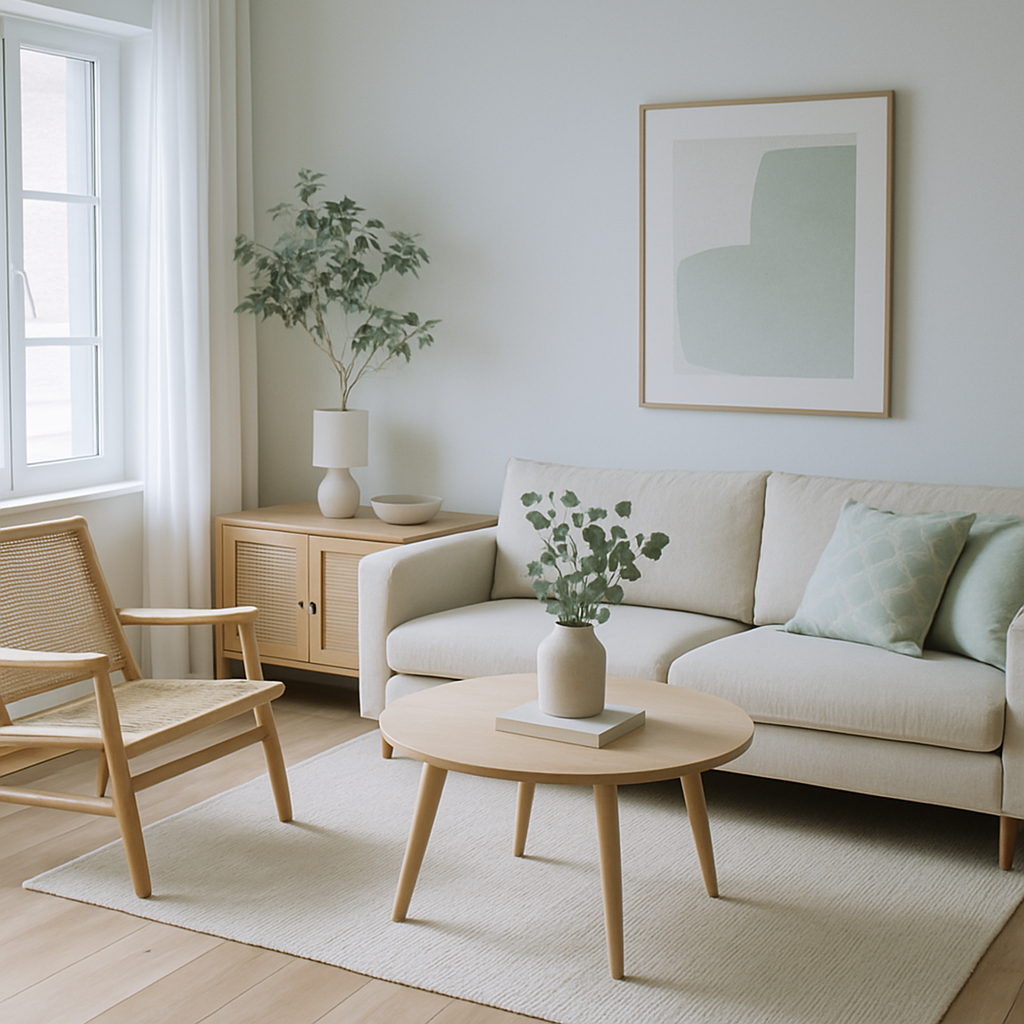
Imagine walking into a room that instantly puts you at ease, where every piece seems to belong, and the atmosphere just feels right. According to a 2023 Houzz survey, 78% of homeowners feel significantly more satisfied after a redesign. This satisfaction often stems from adhering to foundational interior design principles. Understanding these principles can transform your home from a simple living space to a harmonious sanctuary. In this article, we'll explore the top 10 interior design principles, including balance, unity, and rhythm, while providing actionable strategies and expert insights to help you implement them seamlessly.
Understanding Balance in Interior Design
Balance is a cornerstone of interior design, ensuring that a space feels stable and aesthetically pleasing. It involves distributing visual weight evenly across a room. There are three types of balance to consider: symmetrical, asymmetrical, and radial. Symmetrical balance is achieved by mirroring elements on either side of a central point, creating a formal and orderly look. This approach is often seen in traditional interiors where matching end tables flank a sofa.
Asymmetrical balance, however, offers a more dynamic and casual feel. It involves using dissimilar objects of equal visual weight to create balance. For instance, you might balance a large sofa with two smaller chairs. This type of balance is more challenging to achieve but can result in a more lively and interesting space. Radial balance, though less common, is when elements are arranged around a central point, like chairs around a round table.
Why does balance matter to you? A well-balanced room not only feels comfortable but also functions better. When considering balance, think about how the layout of your furniture can facilitate movement and conversation. Are there areas that feel too heavy or cluttered in your home? Addressing these can enhance both the visual appeal and usability of your space.
Exploring the Principle of Unity
Unity in interior design refers to the sense of cohesion and harmony among all the elements in a space. It's about ensuring that everything from furniture to color palette works together to create a unified aesthetic. According to ASID (American Society of Interior Designers) research, cohesive spaces improve overall satisfaction and emotional well-being. Unity can be achieved through consistent style, color schemes, and material choices.
Consider how you can use color to create unity. A monochromatic color scheme, where various shades of a single color are used, can tie together different areas of a room. For instance, using various shades of blue in a living room can create a serene and cohesive environment. Alternatively, you can use textures and materials to unify your space-pairing natural wood tones with soft fabrics for a warm, inviting atmosphere.
Are there areas in your home where the design feels disjointed or mismatched? By evaluating and adjusting these spaces, you can create a more harmonious environment. Unity doesn't mean monotony; instead, it's about creating a seamless flow that ties your home together, making it feel intentional and thoughtfully curated.
Implementing Rhythm for Visual Interest
Rhythm in interior design is the repetition of visual elements to create movement and interest. Much like rhythm in music, it guides the eye through a room, highlighting focal points and creating a sense of order. There are several ways to achieve rhythm, including repetition, progression, and contrast. Repetition involves repeating elements such as colors, patterns, or shapes to establish a visual connection throughout the room.
Progression is a more subtle approach, where elements increase or decrease in size, color, or shape. For example, you could arrange a series of vases in varying heights along a mantel to draw the eye upward. Contrast, on the other hand, involves placing contrasting elements together, such as light and dark colors, to create visual interest. This can be as simple as pairing a dark wall with light-colored furniture.
Why is rhythm essential? It helps prevent spaces from feeling static or boring. By thoughtfully incorporating rhythm, you can create a lively environment that feels dynamic and engaging. As you consider your own home, think about how you might use rhythm to highlight key features or create a sense of movement. Can you identify areas where adding rhythm might enhance the design?
The Role of Scale and Proportion
Scale and proportion are critical in ensuring that all elements in a room are visually compatible. Scale refers to the size of an object in relation to the space it occupies, while proportion deals with the relationship between objects. According to experienced professionals, maintaining appropriate scale and proportion is vital for creating a balanced and harmonious space.
Consider a large sectional sofa in a small living room; it can overwhelm the space and make it feel cramped. Conversely, tiny pieces of furniture in a large room can feel lost and insignificant. To achieve proper scale and proportion, it's crucial to measure your space and choose furnishings that fit the room's dimensions. Additionally, consider the height of your ceilings when selecting furniture and decor to ensure everything feels appropriately scaled.
How do scale and proportion impact your design? They influence not only the aesthetic appeal but also the functionality of a space. By selecting pieces that are proportionate to your room, you can enhance both the visual harmony and practicality of your home. Are there areas where adjusting scale and proportion could improve the design?
Harnessing the Power of Focal Points
A focal point is a key element in interior design that draws the eye and anchors a room. It can be a natural feature, like a fireplace, or an intentional addition, such as a piece of art. Creating a strong focal point provides a sense of purpose and direction to a room's design. Without it, spaces can feel scattered and lack cohesion.
To create an effective focal point, choose a feature that you want to emphasize and build the room's design around it. For instance, a statement chandelier in the dining room can serve as a focal point, around which you arrange your table and seating. Alternatively, a large piece of artwork can anchor a living room, with furniture and decor complementing its colors and style.
Consider your own space-do you have focal points that naturally draw attention, or is there an opportunity to create one? Identifying or creating a focal point is a powerful way to guide the viewer's eye and enhance the overall design. It's an essential tool in creating rooms that feel deliberate and thoughtfully arranged.
Incorporating Texture for Depth
Texture adds depth and interest to a space, transforming it from flat to multidimensional. It involves the tactile quality of surfaces and can be used to evoke emotion and enhance a room's character. Mixing textures-such as smooth, rough, soft, or hard-can create a rich and inviting environment.
Incorporating texture can be as simple as adding throw pillows and rugs or as involved as layering different materials like wood, metal, and fabric. For instance, pairing a leather sofa with a knitted throw and a wool rug can create a warm and cozy living room. According to IIDA (International Interior Design Association), texture is a fundamental element that designers use to add richness and complexity to interiors.
Is texture something you consider in your home's design? By thoughtfully combining textures, you can add visual interest and depth to your space. It's an often-overlooked aspect that can greatly contribute to the overall feel and comfort of a room. Explore how adding or changing textures might enhance your home.
Conclusion: Transforming Your Space
Understanding and applying these top 10 interior design principles can be transformative for any homeowner. From achieving balance and unity to creating rhythm and focal points, each principle plays a crucial role in crafting a beautiful and functional space. As you reflect on these principles, consider how they apply to your own home and where there might be opportunities for improvement.
Are there areas in your home that could benefit from a redesign? Start by identifying one principle to focus on this week. Whether it's creating a focal point in your living room or adding texture to your bedroom, even small changes can make a significant impact. Begin by browsing designer portfolios on Houzz or Pinterest to gather inspiration. The journey to a well-designed home starts with a single step, and you're equipped with the knowledge to take it confidently.


Comments
Post a Comment