ASID, and more. Learn about trends, credentials, and transformative strategies for your home.">
Top 10 Interior Design Masters Who Are Redefining Modern Spaces in 2023
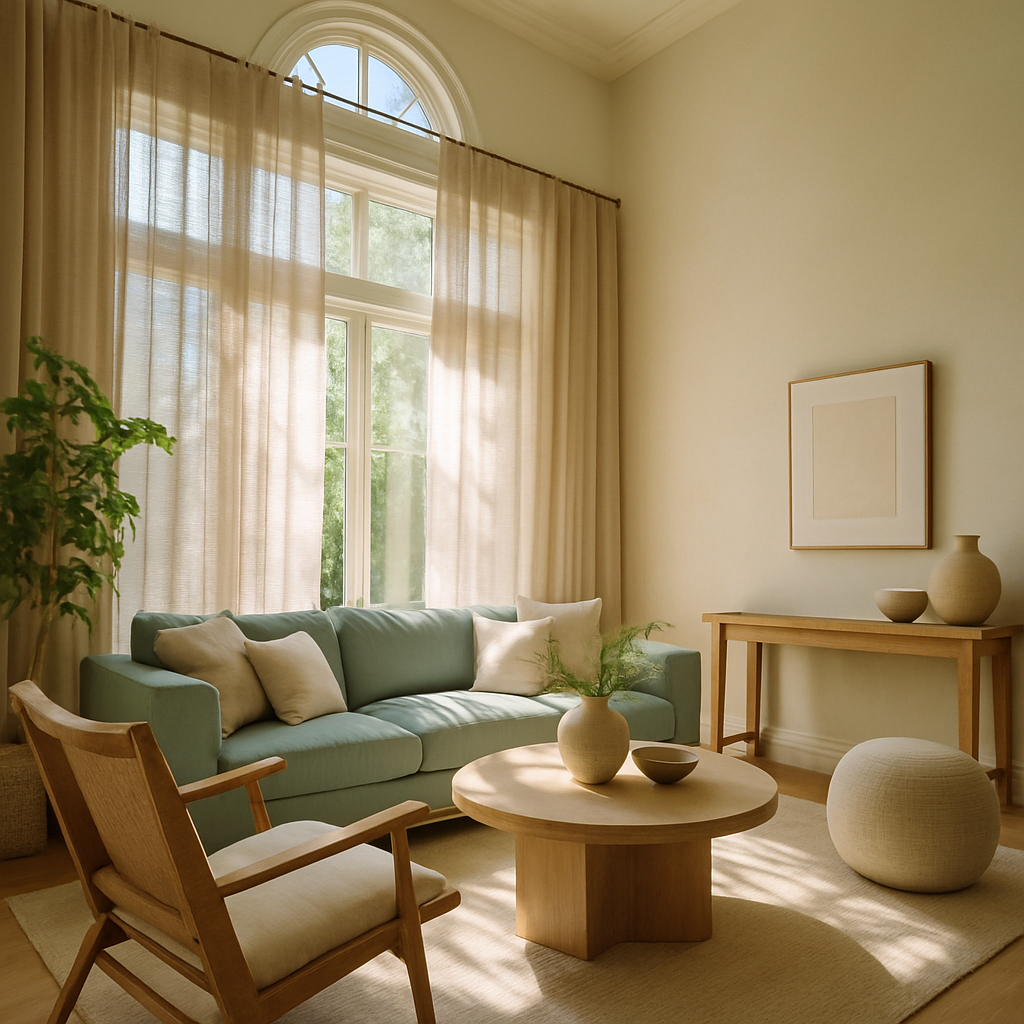
In a world where aesthetics meet functionality, the realm of interior design is continuously evolving. According to a recent Houzz survey, 72% of homeowners are investing more in home improvements, with a significant focus on modernizing spaces. This growing interest in contemporary interior aesthetics has brought a new wave of designers into the spotlight. These interior design masters are not just decorating rooms; they're redefining how we perceive and interact with our living environments. In this article, we will explore the top 10 interior design masters who are transforming modern spaces in 2023. From biophilic design to smart home integration, these experts are setting trends and pushing boundaries. Prepare to be inspired by their innovative approaches and consider how these trends might influence your next home project.
Understanding the Foundations of Modern Interior Design
Modern interior design is grounded in a few key principles that differentiate it from other styles. At its core, this approach emphasizes simplicity, functionality, and a keen attention to detail. One of the foundational elements of modern design is the use of clean lines and open spaces. These characteristics not only create a sense of order but also enhance the flow of movement throughout a space. This type of design often incorporates a neutral color palette, which serves as a backdrop for bolder accents and textures.
Another essential aspect of modern interior design is the integration of technology. This goes beyond merely having smart home devices; it's about seamlessly incorporating these technologies into the design of a space. For instance, automated lighting and climate control systems can be both practical and aesthetically pleasing. This integration requires designers to be not only creative but also technically savvy.
Biophilic design is also a growing trend within modern interior aesthetics. This approach involves bringing elements of the natural world into indoor spaces. By incorporating natural materials like wood and stone, and even living plants, designers create environments that promote well-being and reduce stress. As we delve into the accomplishments of our top 10 design masters, you'll see how these foundational concepts are applied in unique and inspiring ways.
Analyzing the Impact of Leading Designers
The influence of top interior designers extends beyond mere aesthetics, often impacting broader industry trends and homeowner expectations. According to the American Society of Interior Designers (ASID), designers who embrace sustainable practices are increasingly favored by clients. This shift is indicative of a larger movement towards environmental responsibility within the industry. For example, many designers are now opting for reclaimed materials and sustainable sourcing practices, which not only benefit the environment but also add a story to the design.
One significant data point from Houzz's annual survey is that 68% of homeowners report increased satisfaction with their living spaces post-redesign. This statistic underscores the value of professional interior design in enhancing the quality of life. Designers who focus on client-centric approaches, customizing spaces to fit individual needs and lifestyles, tend to achieve higher satisfaction rates. This personalized approach is a hallmark of the designers we will discuss.
Beyond satisfaction, well-designed interiors can significantly boost property value. Real estate experts often note that a thoughtfully designed home can yield a 5-15% higher resale value. This financial incentive is a compelling reason for homeowners to invest in professional interior design services. As we examine the styles and philosophies of our selected design masters, consider how these factors might influence your own home improvement decisions.
Actionable Strategies from Interior Design Masters
One of the most effective strategies employed by leading interior designers is the concept development phase. During this phase, designers work closely with clients to understand their preferences, lifestyle needs, and budget constraints. This collaborative approach ensures that the final design is both functional and personalized. Experienced professionals often note that successful projects start with clear communication and a shared vision between the designer and client.
Smart home integration is another strategy gaining traction among top designers. By incorporating cutting-edge technology such as automated window treatments and energy-efficient lighting, designers create spaces that are not only modern but also sustainable. This approach not only enhances convenience but also aligns with growing consumer demands for eco-friendly living spaces.
Finally, many of today's top designers are leveraging AR/VR room visualization tools to provide clients with a virtual tour of their future spaces. This technology allows clients to visualize changes before any physical work begins, reducing the risk of costly alterations later on. As you consider your next home project, think about how these strategies might enhance your design process.
Expert Insights into the World of Interior Design
When it comes to interior design, credentials matter. The National Council for Interior Design Qualification (NCIDQ) is considered the gold standard in the industry. Designers with NCIDQ certification have demonstrated a comprehensive understanding of design principles and practices, ensuring that they can deliver high-quality results. Additionally, the International Interior Design Association (IIDA) offers resources and networking opportunities that help designers stay at the forefront of industry trends.
Experienced designers often emphasize the importance of continuous learning and adaptation. The interior design industry is dynamic, with trends and client preferences constantly evolving. Staying informed about new materials, technologies, and design philosophies is crucial for success. Many designers participate in workshops and seminars offered by organizations like ASID and local AIA chapters to hone their skills and broaden their knowledge.
Another key insight from industry professionals is the value of building a strong portfolio. Platforms like Houzz and Instagram provide designers with the opportunity to showcase their work and reach a broader audience. For aspiring designers, developing a robust online presence can lead to new client opportunities and collaborations. As we move into the next section, we'll explore additional details and insights that set leading designers apart.
Additional Depth: Understanding Fee Structures and Budgeting
Understanding the financial aspects of hiring an interior designer is crucial for homeowners. Designers typically offer a variety of fee structures, including flat fees, hourly rates, and percentage-based fees. Hourly rates can range from $150 to $500, depending on the designer's experience and reputation. For larger projects, designers may charge a percentage of the total project cost, typically ranging from 10-25%. This flexible approach allows clients to choose a payment structure that aligns with their budget and project scope.
When planning a home redesign, it's helpful to have a sense of the typical budget ranges. For a single room redesign, homeowners might expect to spend between $5,000 and $15,000. In contrast, a full-home renovation can range from $50,000 to $150,000 or more. These figures, based on industry averages, provide a useful benchmark for planning your project. Setting a realistic budget is an essential step in ensuring that your design aspirations align with your financial resources.
Designers often incorporate procurement markups on furniture and materials as part of their fee structures. These markups, which typically range from 10-30%, cover the designer's time and expertise in sourcing high-quality items. Understanding these costs upfront can help prevent surprises and facilitate a smoother project experience. As we conclude, consider how these insights can inform your approach to hiring a designer and planning your next project.
Final Perspectives on Modern Interior Design
As we reflect on the contributions of these top interior design masters, it's clear that their work is reshaping how we live and interact with our spaces. Their innovative approaches not only enhance aesthetics but also improve functionality and sustainability. By embracing trends like biophilic design and smart home integration, these designers are creating environments that nurture well-being and cater to modern lifestyles.
For homeowners considering a redesign, the insights and strategies shared by these industry leaders offer valuable guidance. Whether you're looking to modernize a single room or undertake a full-home renovation, understanding the latest trends and best practices can help you make informed decisions. As you explore design options, ask yourself: What elements of modern design resonate with me? How can these trends enhance my living environment?
Conclusion: Taking the Next Steps in Your Design Journey
In this exploration of the top 10 interior design masters redefining modern spaces in 2023, we've delved into the foundational concepts, impactful strategies, and expert insights that are shaping the industry. These designers are not only setting trends but also showing us what's possible when creativity meets functionality. Are you ready to transform your living space? Start by browsing portfolios on platforms like Houzz and Instagram this week. Even dedicating just 20 minutes to research can sharpen your eye for what you want. Embrace the innovations and inspirations of today's top designers to create a home that truly reflects your style and needs.



Comments
Post a Comment