The Ultimate Interior Design Handbook: Tips, Tricks, and Trends for 2023
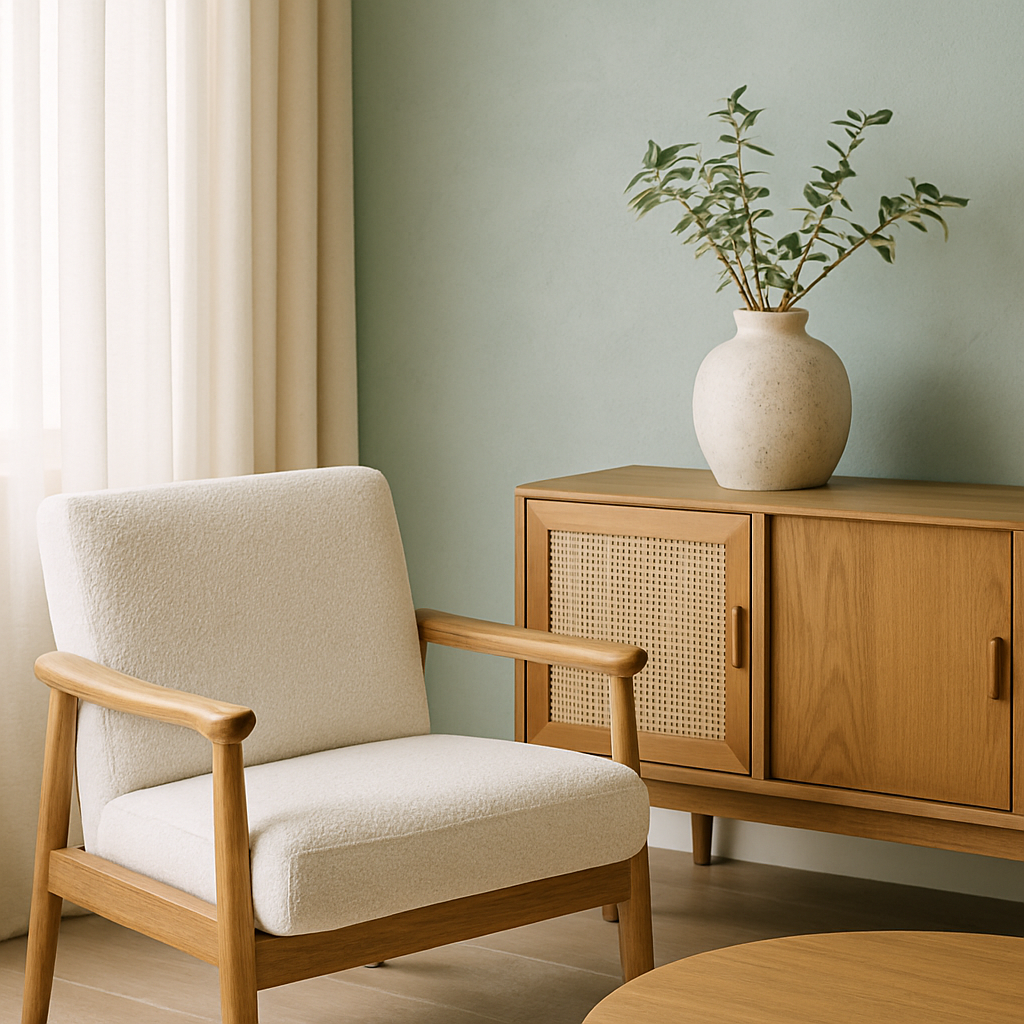
Did you know that well-designed interiors can boost your home's resale value by up to 15%? This statistic, often cited by real estate experts, underscores the power of thoughtful interior design. If you're looking to refresh your living space in 2023, you're in the right place. Welcome to "The Ultimate Interior Design Handbook," where we'll explore foundational concepts, delve into industry trends, and provide actionable strategies for your next project. Whether you're a design enthusiast or a homeowner eager to enhance your space, this guide offers all the insights you need.
Foundational Concepts in Interior Design
Understanding foundational concepts of interior design is crucial for creating a cohesive and inviting space. At the heart of any well-designed room is the principle of balance, which can be achieved through symmetrical, asymmetrical, or radial distribution of elements. Symmetrical balance often feels traditional and formal, achieved by mirroring similar items across a central axis. Asymmetrical balance, on the other hand, uses different objects of similar visual weight to create a more dynamic and informal feel. Radial balance, less commonly used, radiates around a central point, often seen in circular spaces.
In addition to balance, the concept of scale and proportion plays a critical role. Scale refers to the size of objects in relation to the space, while proportion concerns the relationship between different parts of the design. For example, a large sectional sofa might overwhelm a small living room but fit perfectly in a spacious family room. Ensuring the right scale and proportion can make a space feel harmonious and well-designed. Have you ever felt that a room was disjointed or awkward? It might be due to a mismatch in scale or proportion.
Finally, consider the impact of color theory in interior design. Colors can influence mood and perception; warm colors like red and orange can energize a space, while cool colors like blue and green offer tranquility. The color wheel and the concept of complementary, analogous, and triadic color schemes provide a framework for selecting harmonious palettes. A well-chosen color scheme can unify a room and reflect personal style, setting the tone for your entire design project.
With these foundational concepts in mind, we can now explore how data-driven insights can further enhance your design decisions.
Data-Driven Insights for Design
Incorporating data into your design process can significantly enhance decision-making and ensure successful outcomes. According to Houzz's annual survey, homeowners in 2022 spent an average of $15,000 on home renovations, highlighting the importance of adequately budgeting for your design projects. With this in mind, setting a realistic budget aligned with your design goals is essential. Many designers recommend allocating 10-25% of your home's value for a comprehensive redesign, ensuring that your investment adds tangible value.
Budgeting is not the only area where data can guide you. Industry research suggests that biophilic design, which emphasizes natural materials and indoor-outdoor integration, is a rising trend for 2023. This approach not only enhances aesthetic appeal but also promotes well-being by connecting occupants with nature. Implementing natural elements like wood, stone, and greenery can transform your space into a serene retreat that reflects current design trends.
Another critical insight comes from the American Society of Interior Designers (ASID), which notes the increasing demand for sustainable and eco-friendly materials. Choosing materials with a lower environmental impact, such as reclaimed wood or recycled glass, not only supports sustainability goals but also resonates with the growing trend of conscious consumerism. Are you considering the environmental impact of your design choices? These data-driven insights provide a valuable foundation for making informed design decisions.
Armed with these insights, let's move into practical strategies that translate these concepts into reality.
Actionable Strategies for Your Design Project
Turning your design vision into reality involves several strategic steps. First, start with a comprehensive concept development phase. During this stage, you'll gather inspiration and clearly define your style preferences. Platforms like Pinterest and Instagram offer a wealth of visual inspiration, allowing you to curate mood boards that capture the essence of your desired aesthetic. This visual groundwork will guide your design choices and ensure cohesion throughout your project.
Once you've established a clear vision, it's time to move on to design presentation and procurement. Collaborating with certified interior designers, such as those holding NCIDQ (National Council for Interior Design Qualification) credentials, can elevate your project. These professionals bring expertise in space planning, color theory, and material selection, ensuring that your design is both functional and beautiful. Expect to pay a flat fee or an hourly rate ranging from $150 to $500 per hour, depending on the designer's experience and location.
Finally, the installation and styling phase brings your design to life. This stage involves arranging furniture, hanging artwork, and accessorizing to achieve the finished look. Experienced professionals often note that attention to detail during styling-such as layering textures and incorporating personal items-creates a space that truly feels like home. Are you ready to embark on this transformative process? Now that you have a strategy in place, let's delve into expert-level details that further refine your design approach.
Expert-Level Design Details
For those seeking to elevate their design projects, understanding expert-level details can make a significant difference. One such detail is the integration of smart home technology. In 2023, smart lighting systems, automated window treatments, and climate control are not just conveniences but integral components of a modern home. These technologies offer both functionality and energy efficiency, enhancing the overall appeal and value of your design.
Another advanced concept is the use of AR/VR room visualization tools. These tools allow you to virtually walk through your design before any physical changes occur, providing a realistic preview of the final result. This technology can prevent costly mistakes and ensure that your design choices align with your vision. Many design professionals utilize this technology to present their ideas to clients, offering an interactive and engaging design experience.
Lastly, the concept of Japandi-a fusion of Japanese minimalism and Scandinavian warmth-continues to gain popularity. This style emphasizes simplicity, functionality, and natural materials, creating spaces that are both restful and aesthetically pleasing. Incorporating this style can result in a home that feels both tranquil and sophisticated, perfectly aligned with current trends. Do you find the idea of a minimalist yet warm home appealing? With these expert insights, your design project can reach new heights of sophistication.
Having explored these advanced concepts, we'll now delve into additional depth to round out your knowledge.
Additional Depth in Design Considerations
Exploring additional depth in interior design involves understanding the nuances that can significantly impact your project. One such consideration is the use of lighting as a design element. Beyond its practical function, lighting can dramatically alter the ambiance and perception of a space. Layered lighting-combining ambient, task, and accent lighting-creates a dynamic environment that enhances the mood and functionality of a room.
Furthermore, texture plays a pivotal role in adding depth and interest. Mixing materials like velvet, linen, and leather can create a tactile experience that enriches the sensory appeal of a space. This approach not only adds visual interest but also provides comfort and warmth, inviting occupants to engage with their surroundings.
Lastly, consider the impact of artwork and accessories in personalizing your space. These elements offer an opportunity to reflect personality and interests, transforming a house into a home. Curating a collection of meaningful art pieces or unique accessories can serve as conversation starters and focal points within your design. Are you ready to infuse your home with personality and character? With these considerations in mind, your design project will be both comprehensive and personal.
With these additional insights, we can now conclude with some final perspectives on your design journey.
Final Perspectives on Interior Design
As we conclude our exploration of interior design for 2023, it's clear that successful projects blend foundational knowledge with expert insights and personal touches. The integration of smart technology, sustainable materials, and innovative styles like Japandi reflects a shift towards thoughtful and intentional design. This approach not only caters to aesthetic desires but also addresses practical needs and environmental concerns.
In the ever-evolving field of interior design, staying informed about trends and techniques is crucial. Engaging with professional organizations such as ASID and IIDA provides ongoing education and inspiration, ensuring that your projects remain at the cutting edge. Are you ready to take your design skills to the next level? With this comprehensive guide, you have the tools and knowledge to embark on a transformative design journey.
Conclusion
In summary, "The Ultimate Interior Design Handbook" equips you with the essential tips, tricks, and trends needed to transform your living spaces in 2023. From foundational concepts like balance and scale to advanced techniques involving smart home technology, this guide provides a roadmap for achieving your design goals. As you embark on your design journey, remember that each decision you make contributes to creating a space that is not only beautiful but also functional and reflective of your personal style.
Start by browsing portfolios on Houzz this week-even 20 minutes of research will sharpen your eye for what you want. Your design project awaits, filled with potential to transform your home into a true sanctuary. Embrace the process and enjoy the creative journey ahead.



Comments
Post a Comment