The Ultimate Guide to Sustainable Office Interior Design Trends You Can't Miss
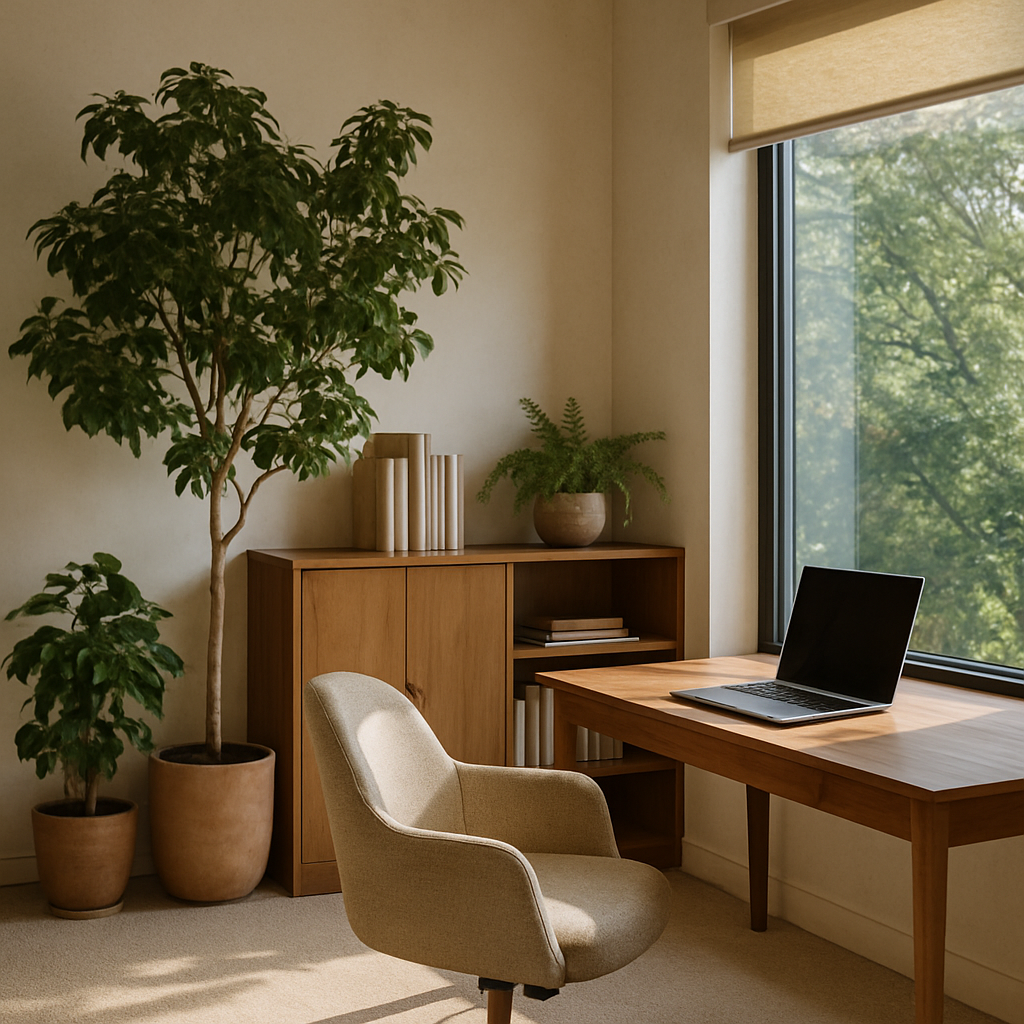
Sustainability in office interior design has evolved from an aspirational ideal into a business imperative. Companies across every industry are recognizing that the materials, systems, and design strategies used in their workspaces carry real environmental consequences and send powerful messages about organizational values. Clients, employees, and investors increasingly evaluate businesses through an environmental lens, and the physical office serves as one of the most visible expressions of a company's commitment to responsible practice. According to the American Society of Interior Designers (ASID), over seventy percent of design firms now report that sustainable specification is a standard part of every commercial project rather than an optional upgrade. This shift reflects both growing environmental awareness and the practical reality that sustainable design frequently reduces operating costs, improves occupant health, and creates more attractive workspaces. The trends explored in this guide represent the most impactful developments in sustainable office design, offering actionable strategies for organizations of every size and budget. Whether you are planning a new office build-out or seeking to improve the environmental performance of an existing space, these approaches will help you create a workspace that is as responsible as it is beautiful.
Reclaimed and Upcycled Materials Redefining Office Aesthetics
The use of reclaimed and upcycled materials in office design has transcended its origins in scrappy startup culture to become a sophisticated design strategy embraced by major corporations and luxury brands alike. Reclaimed wood from decommissioned barns, demolished buildings, and retired shipping containers finds new life as conference tables, wall cladding, and shelving systems that carry history and character impossible to replicate with new materials. Each piece of reclaimed timber tells a story through its grain patterns, nail holes, and patina of age, adding authenticity and visual warmth that mass-produced alternatives simply cannot match. This approach reduces demand for virgin timber while preventing usable material from entering landfills, creating a genuine environmental benefit alongside aesthetic distinction.
Upcycled materials extend the concept beyond wood to encompass a remarkable range of products. Acoustic panels made from recycled plastic bottles offer sound absorption comparable to virgin materials while diverting waste from ocean-bound streams. Countertops fabricated from recycled glass aggregate combine durability with striking visual effects that become conversation pieces in reception areas and break rooms. Carpet tiles manufactured from reclaimed fishing nets, pioneered by companies like Interface, demonstrate that recycled feedstocks can produce products that meet or exceed the performance specifications of conventional alternatives. The International Interior Design Association (IIDA) has recognized several reclaimed material manufacturers with sustainability awards, elevating these products from niche curiosities to mainstream specification options.
The aesthetic appeal of reclaimed materials aligns naturally with several of the most popular design movements in contemporary interiors. The wabi-sabi appreciation for imperfection and the marks of time that characterizes Japandi design celebrates rather than conceals the wear patterns and irregularities inherent in reclaimed materials. Industrial design aesthetics embrace exposed reclaimed brick, weathered metal, and rough-hewn timber as expressions of authenticity and substance. Even the refined quiet luxury trend finds application for reclaimed materials when they are selected and finished with care, demonstrating that sustainability and sophistication are complementary rather than contradictory qualities. Have you considered how incorporating materials with history and character might transform the personality of your office environment while simultaneously reducing its environmental footprint?
Biophilic Integration as a Sustainability and Wellness Strategy
Biophilic design occupies a unique position at the intersection of sustainability and human wellness, making it one of the most compelling trends in contemporary office design. By incorporating living plants, natural materials, daylight optimization, and nature-inspired patterns, biophilic offices create environments that benefit both occupants and the planet. Living green walls and indoor plantings improve air quality by filtering pollutants and regulating humidity, reducing reliance on mechanical ventilation systems and their associated energy consumption. These same elements provide the psychological benefits of nature connection that research consistently links to reduced stress, improved cognitive function, and greater creative output among office workers.
The implementation of biophilic design in sustainable offices goes beyond adding plants to existing spaces. It involves rethinking fundamental design decisions to prioritize natural light, views of nature, and material connections to the outdoor environment. Maximizing daylight penetration through strategic window placement, light shelves, and reflective surfaces reduces artificial lighting requirements while providing the full-spectrum illumination that supports circadian rhythms and visual comfort. Specifying natural materials like wood, stone, bamboo, and cork brings the tactile qualities of the outdoors inside while choosing products with lower environmental impact than synthetic alternatives. Water features, whether flowing fountains or simple tabletop elements, introduce the calming sounds and humidity regulation that mimic natural stream environments.
The business case for biophilic office design is increasingly well documented. Research from the Human Spaces global study found that employees in offices with natural elements report fifteen percent higher well-being and six percent higher productivity compared to those in environments devoid of nature. Reduced absenteeism, lower healthcare costs, and improved talent attraction and retention further strengthen the financial argument. Houzz professional surveys indicate that biophilic elements consistently rank among the top three design features requested by corporate clients, reflecting growing awareness that these interventions deliver measurable returns on investment. For organizations pursuing formal sustainability certifications, biophilic design elements contribute credits under both LEED and WELL building standards, serving double duty as environmental and wellness interventions.
Energy-Efficient Lighting and Smart Building Systems
Lighting represents one of the largest energy expenditures in commercial buildings, and sustainable office design addresses this reality through a combination of efficient technology, intelligent controls, and daylight harvesting strategies. LED lighting has become the baseline specification for sustainable offices, consuming up to seventy-five percent less energy than the fluorescent systems it replaces while providing superior color rendering, longer operational life, and reduced maintenance requirements. Beyond simple fixture replacement, sustainable lighting design incorporates occupancy sensors that eliminate energy waste in unoccupied spaces, daylight sensors that dim artificial light when natural illumination is sufficient, and scheduling systems that ensure lights operate only when needed.
Smart building management systems represent the next evolution in sustainable office operations. These integrated platforms monitor and control lighting, HVAC, and electrical systems through a centralized intelligence that optimizes performance based on real-time occupancy data, weather conditions, and energy pricing. Machine learning algorithms improve system efficiency over time, identifying patterns in building usage that enable predictive adjustments rather than reactive responses. The energy savings from comprehensive smart building systems typically range from twenty to forty percent compared to conventional management approaches, representing significant reductions in both operating costs and carbon emissions. Organizations like the ASID advocate for smart building integration as a standard component of sustainable office design, recognizing that technology-driven efficiency gains complement and amplify the benefits of sustainable material selection.
Renewable energy integration at the office level, while not strictly an interior design function, increasingly influences design decisions within sustainable workspaces. Solar panels on building rooftops or facades can power interior lighting systems, electric vehicle charging stations in parking garages, and the digital infrastructure that modern offices depend upon. Interior designers working on sustainable projects collaborate with energy consultants to ensure that interior lighting loads, plug loads, and equipment selections align with the building's renewable energy capacity. This holistic approach to energy management creates offices that tread lightly on the planet while maintaining the comfort, functionality, and aesthetic quality that occupants expect and deserve.
Circular Economy Principles in Furniture and Fit-Out
The circular economy concept, which emphasizes designing out waste, keeping materials in use, and regenerating natural systems, is reshaping how offices are furnished and fitted out. Traditional office fit-outs follow a linear model where new materials are purchased, installed, used for a period, and then sent to landfill when the tenant moves or renovates. Circular approaches challenge this wasteful pattern by specifying furniture designed for disassembly and component replacement, leasing rather than purchasing major furniture items, and planning for end-of-life material recovery from the project's inception. Leading furniture manufacturers now offer take-back programs that recover used products, refurbish reusable components, and recycle the remainder, closing the loop on materials that would otherwise become waste.
Furniture leasing has emerged as a particularly practical implementation of circular economy principles in office design. Rather than investing capital in furniture that depreciates and eventually becomes waste, organizations lease complete furniture packages that can be returned, refurbished, and redistributed when needs change. This model aligns financial incentives with environmental outcomes because leasing companies benefit from durable, repairable products that retain value through multiple use cycles. It also provides flexibility for growing companies whose space needs change frequently, eliminating the waste generated when purchased furniture no longer fits a reconfigured office. A study by the Ellen MacArthur Foundation found that circular business models in office furniture could reduce material waste by up to eighty percent compared to traditional purchase-and-dispose approaches.
Interior designers play a crucial role in advancing circular economy principles by specifying products designed for longevity, repairability, and eventual disassembly. Modular furniture systems that allow individual components to be replaced when worn or outdated extend product lifespans far beyond monolithic alternatives. Standardized connection systems enable parts from different manufacturers to work together, creating a more competitive and innovative marketplace for sustainable office products. Selecting materials that can be separated and recycled at end of life, such as mono-material designs or products with clearly identified and easily separated components, ensures that today's office furniture becomes tomorrow's raw material rather than tomorrow's landfill contribution. This forward-thinking approach to specification represents one of the most impactful contributions interior designers can make to organizational sustainability goals.
Low-VOC Materials and Indoor Air Quality Optimization
Indoor air quality has always mattered, but recent global health events have elevated awareness to unprecedented levels. Sustainable office design prioritizes low-VOC and zero-VOC materials that minimize the release of volatile organic compounds responsible for headaches, respiratory irritation, and long-term health effects. Paints, adhesives, sealants, carpeting, and composite wood products are among the most significant sources of indoor VOC emissions, and specifying alternatives with reduced chemical off-gassing creates healthier environments for building occupants. The WELL Building Standard provides comprehensive guidance on indoor air quality targets and the material specifications needed to achieve them, offering a framework that sustainable office designers increasingly adopt.
Beyond material selection, sustainable offices employ active strategies for maintaining air quality. Enhanced ventilation systems that exceed minimum code requirements provide greater air exchange rates, diluting and removing airborne contaminants more effectively. Air quality monitoring systems track levels of particulate matter, carbon dioxide, and VOCs in real time, alerting facility managers when conditions fall below acceptable thresholds and triggering automatic ventilation adjustments. Indoor plants selected specifically for their air-purifying properties, including species like pothos, snake plants, and peace lilies, provide supplemental air filtration through natural biological processes while contributing biophilic design benefits. Architectural Digest PRO has noted that offices with comprehensive air quality management programs report significantly lower rates of sick building syndrome symptoms and employee health complaints.
The specification of healthier materials often aligns with other sustainability objectives, creating synergies that make comprehensive sustainable design more practical and cost-effective than piecemeal approaches. Water-based paints and finishes reduce VOC emissions while also eliminating the hazardous waste disposal requirements associated with solvent-based products. Natural fiber carpeting avoids both the chemical off-gassing and the petroleum dependence of synthetic alternatives. Solid wood furniture eliminates the formaldehyde emissions common in composite wood products while providing the aesthetic warmth and durability that quality interiors demand. These material choices demonstrate that healthy, sustainable, and beautiful office environments are not competing objectives but complementary outcomes of informed, intentional design decisions. What changes would improve the air quality in your current workspace, and how might those changes also enhance the visual and tactile experience of the space?
Measuring and Communicating Sustainability Performance
Sustainable office design achieves its full potential only when environmental performance is measured, tracked, and communicated effectively. Certification frameworks like LEED, WELL, and BREEAM provide standardized methodologies for evaluating the environmental and health performance of interior spaces. These certifications serve as credible, third-party validation of sustainability claims, protecting organizations against greenwashing accusations and providing stakeholders with confidence that environmental commitments translate into genuine practice. The NCIDQ examination now includes questions on sustainable design principles and certification requirements, reflecting the profession's recognition that sustainability literacy is a core competency for contemporary designers.
Energy monitoring dashboards displayed in common areas transform abstract sustainability data into visible, engaging information that keeps environmental performance top of mind for office occupants. Real-time displays showing energy consumption, water usage, waste diversion rates, and carbon emissions create awareness and accountability that static reports cannot match. Some organizations gamify sustainability performance, setting targets and celebrating milestones that engage employees in the collective effort to reduce environmental impact. These visible metrics also serve marketing and recruitment functions, demonstrating organizational values to visiting clients and prospective employees in a format that is both transparent and compelling.
The communication of sustainable design choices extends to material transparency, where manufacturers provide detailed information about the composition, origin, and environmental impact of their products. Environmental Product Declarations, Health Product Declarations, and Declare labels give designers and building occupants access to comprehensive information about the materials surrounding them. This transparency supports informed decision-making during the design process and provides documentation that validates sustainability claims after installation. As stakeholder expectations around environmental responsibility continue to increase, the ability to demonstrate and communicate the sustainability performance of office interiors will become not just a competitive advantage but a fundamental requirement of professional design practice.
Conclusion
Sustainable office interior design has matured beyond a collection of isolated green initiatives into a comprehensive approach that integrates environmental responsibility with aesthetic excellence and occupant well-being. The trends explored in this guide, from reclaimed materials and biophilic integration to circular economy furniture strategies and indoor air quality optimization, represent the leading edge of a transformation that is reshaping how we think about the spaces where we work. Each trend offers practical, implementable strategies that reduce environmental impact while creating offices that are healthier, more attractive, and more enjoyable to occupy. The business case for sustainable design continues to strengthen as energy savings, employee health improvements, and talent attraction benefits compound over time. Organizations that embrace these trends position themselves as responsible corporate citizens while also gaining competitive advantages in operating costs, employee satisfaction, and brand perception. Begin your sustainable design journey by assessing your current office against the principles outlined here, identifying the interventions that offer the greatest impact for your specific situation, and committing to a trajectory of continuous environmental improvement. The workspace of the future is sustainable by design, and that future is already here for those ready to embrace it.
More Articles You May Like



Comments
Post a Comment