The Ultimate Guide to Minimalist Room Interior Design: Less is More
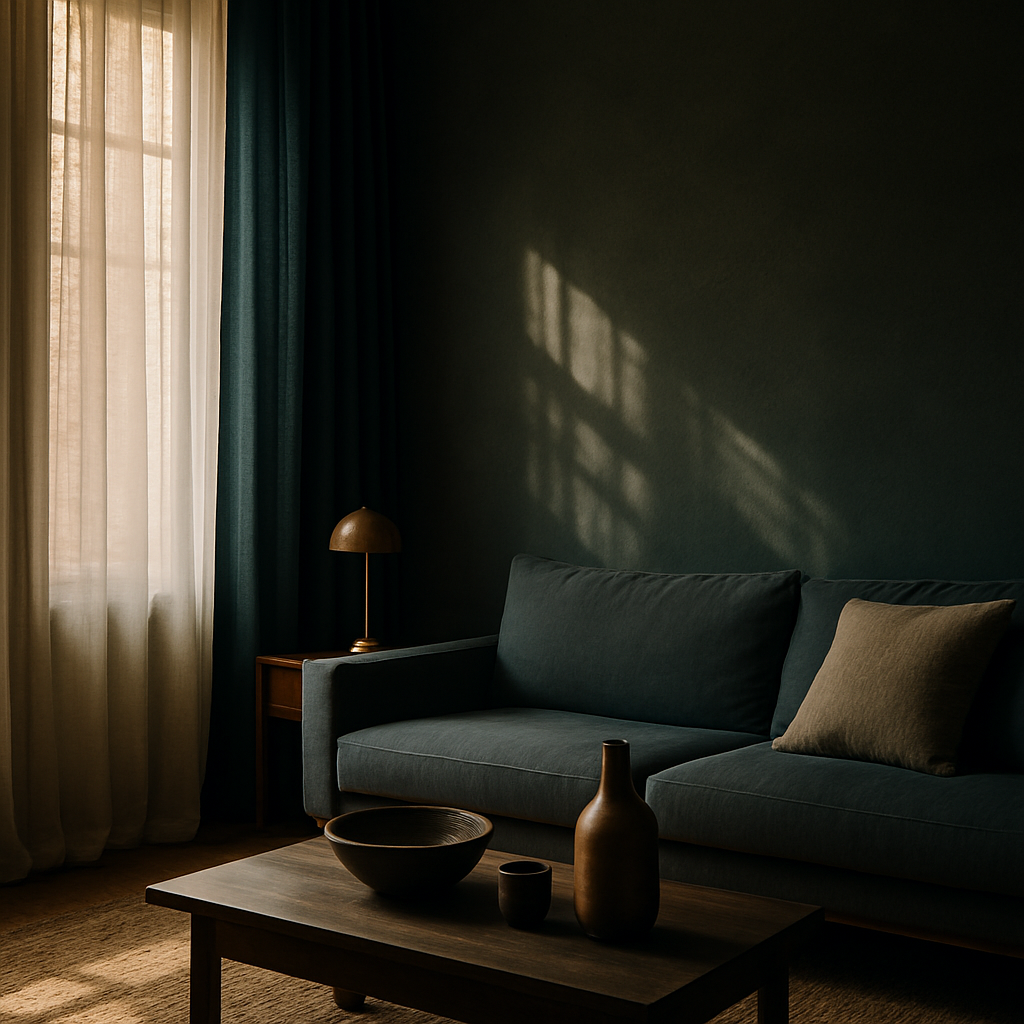
Imagine walking into a room where every element is intentional, the space breathes, and you feel a sense of calm instantly wash over you. This is the essence of minimalist interior design, a style where less truly becomes more. According to a recent Houzz survey, 72% of homeowners prioritize simplicity and functionality in their home redesigns, making minimalism an enduring favorite. This guide will explore the foundational concepts of minimalist design, delve into deeper analyses with data, offer actionable strategies, provide expert-level insights, and discuss additional details to enhance your understanding. By the end, you'll be equipped to transform your space into a serene minimalist haven.
Understanding the Foundations of Minimalist Design
Minimalist room interior design is not just about removing clutter; it's about creating a purposeful and serene environment. At its core, minimalism emphasizes simplicity, functionality, and a focus on clean lines. This design philosophy encourages you to strip away excess and concentrate on the essentials, offering a space that is both practical and visually soothing. The concept revolves around the idea that less is more, where each piece has a purpose and contributes to the overall harmony of the room.
One of the foundational principles of minimalism is the use of a subdued color palette. Neutral tones such as whites, grays, and beiges dominate, creating a backdrop that enhances a room's natural light. This approach not only boosts the serene quality of the space but also leaves room for occasional pops of color that add interest without overwhelming the senses. The American Society of Interior Designers (ASID) highlights that rooms with neutral tones tend to have a calming effect, reducing stress and improving mental well-being.
Minimalist design also emphasizes the importance of natural materials. Incorporating elements like wood, stone, and wool can connect the interior of your home to the natural world, enhancing the feeling of calm. This practice aligns with the principles of biophilic design, which seeks to integrate nature into modern interiors. As you consider embracing minimalism, think about how these foundational elements can transform your living space into a sanctuary.
Deeper Dive: Minimalism by the Numbers
To truly appreciate the impact of minimalist design, it's helpful to look at the numbers. Industry surveys suggest that minimalist interiors can increase a property's resale value by 5-15%, according to Architectural Digest's AD PRO network. This increase is attributed to the universal appeal of decluttered, well-organized spaces that prospective buyers find attractive and easy to personalize. Moreover, the simplicity of minimalist design often translates to lower maintenance costs, as there are fewer decorative elements to manage.
Data from the National Council for Interior Design Qualification (NCIDQ) reveals that more than 60% of interior designers report a rising demand for minimalist aesthetics. This trend is driven by a shift in consumer priorities, with many individuals seeking to declutter their lives and focus on what truly matters. As a result, minimalist design has become a symbol of modern living, reflecting a desire for peace and clarity in a chaotic world.
Minimalism also extends to smart home integration, a growing trend in interior design. Homeowners are increasingly incorporating technology into their minimalist designs to enhance functionality without compromising aesthetics. Automated lighting, climate control, and window treatments are just a few examples of how technology can seamlessly blend into a minimalist space, offering convenience and efficiency.
Actionable Strategies for Minimalist Interiors
Ready to transform your home into a minimalist masterpiece? Start by decluttering your space. Go room by room, identifying items that are essential and those that are not. Experienced professionals often note that the key to successful decluttering is asking yourself if each item serves a purpose or brings joy. If it doesn't, it might be time to part ways. This simple yet effective method can make a significant difference in achieving a minimalist look.
Once you've pared down your belongings, consider the furniture layout. Minimalist design thrives on open spaces and clean lines, so arrange furniture to promote easy movement and a sense of airiness. Opt for multifunctional pieces that blend form and function, such as a sleek sofa with built-in storage or a dining table that doubles as a workspace. Houzz recommends investing in quality over quantity, focusing on a few standout pieces that offer both style and utility.
Lighting plays a crucial role in minimalist interiors. Make the most of natural light by keeping windows unobstructed and using sheer curtains if needed. For artificial lighting, choose fixtures with simple designs that complement the room's overall aesthetic. Pendant lights and recessed lighting are popular choices in minimalist spaces, providing ample illumination without drawing attention away from the room's simplicity.
Expert-Level Insights into Minimalism
For those seeking to dive deeper into minimalist design, engaging with certified interior designers can be invaluable. Designers with credentials such as NCIDQ, ASID, or IIDA bring a wealth of knowledge and expertise to the table, assisting you in achieving a cohesive and functional minimalist space. These professionals understand the nuances of minimalist design and can offer tailored advice that aligns with your lifestyle and preferences.
A critical aspect of minimalism is the use of negative space, which refers to the empty or open areas around and between objects. This space is not merely an absence but a key element that allows the room to breathe and feel balanced. Certified designers can help you effectively utilize negative space, ensuring that each area of your room contributes to a harmonious whole.
Furthermore, advanced visualization tools such as augmented reality (AR) and virtual reality (VR) are becoming increasingly popular among interior designers. These technologies allow you to see potential designs come to life before making any physical changes. By collaborating with a professional who uses these tools, you can explore different minimalist layouts and finishes with ease and confidence.
Exploring Additional Dimensions of Minimalism
While minimalist design is often associated with modern aesthetics, it can be adapted to suit various styles. For instance, the Japandi trend, which combines Japanese minimalism with Scandinavian warmth, offers a unique take on minimalism that is both inviting and serene. This fusion style emphasizes simplicity and natural materials, but with a cozy, homey twist.
Another dimension to consider is sustainable design. Minimalism naturally aligns with eco-friendly practices by encouraging the use of fewer resources and promoting longevity in design choices. By selecting sustainable materials and energy-efficient appliances, you can create a minimalist space that is both stylish and environmentally responsible. The International Interior Design Association (IIDA) supports these efforts, encouraging designers to prioritize sustainability in their projects.
Finally, minimalist design is not static; it evolves with the needs of the occupants. As your lifestyle changes, so too can your minimalist space. The key is to maintain the principles of minimalism-simplicity, functionality, and intentionality-while allowing room for growth and adaptation.
Final Perspectives on Minimalist Design
Minimalist room interior design is more than just a trend; it's a lifestyle choice that reflects a desire for clarity and focus. By embracing the "less is more" philosophy, you create spaces that not only look beautiful but also function seamlessly and adapt to your changing needs. The journey to minimalism may begin with decluttering and simplifying, but it evolves into a holistic approach to living with intention.
As you consider integrating minimalist principles into your home, think about how each decision aligns with your personal values and lifestyle. Are you ready to invest in quality over quantity? How will you balance aesthetics with functionality? These questions can guide your design process and help ensure that your minimalist space remains both practical and personal.
Ultimately, the goal of minimalist design is to enhance your quality of life by creating environments that nurture and inspire. Whether you're redesigning a single room or an entire home, the principles of minimalism offer a path to achieving a more peaceful and fulfilling living space.
Conclusion: Take the First Step Towards Minimalism
In summary, minimalist room interior design is a powerful approach to creating spaces that are both beautiful and functional. By focusing on simplicity, functionality, and intentionality, you can transform your home into a sanctuary that reflects your values and lifestyle. As you embark on your minimalist journey, remember that the key is to prioritize quality, embrace negative space, and adapt your design to meet your evolving needs.
Ready to start your minimalist transformation? Begin by browsing designer portfolios on platforms like Houzz or consulting with certified professionals from ASID or NCIDQ. Even a short session of research will sharpen your vision and guide your decisions. Take this opportunity to explore minimalist design and discover how "less is more" can enhance your living space.



Comments
Post a Comment