The Ultimate Guide to Choosing the Right Interior Design Company
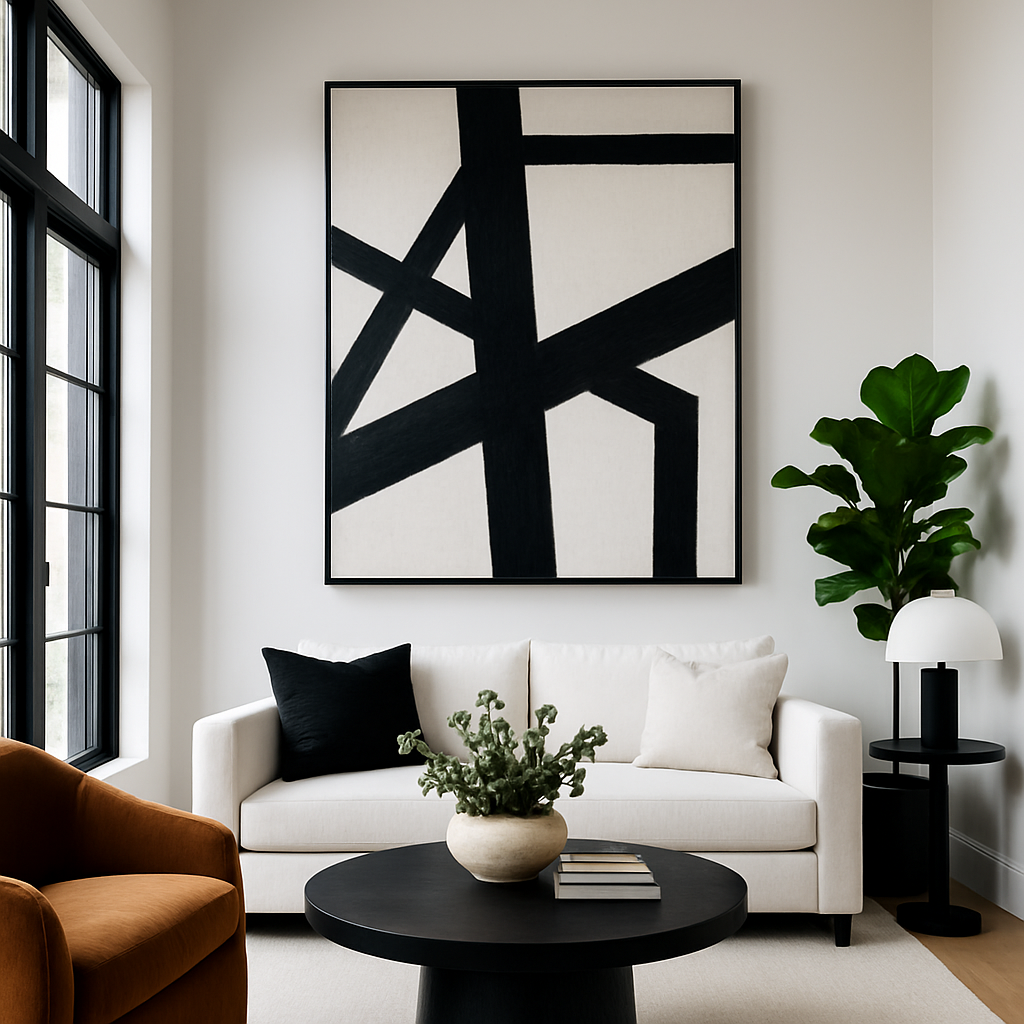
Imagine walking into a room that feels perfectly you - every piece, every fabric, every hue harmoniously aligned with your vision. This is the transformative potential of working with a skilled interior design company. According to Houzz's annual survey, 85% of homeowners report increased satisfaction with their homes after undergoing a professional redesign. Yet, finding the right partner for your design journey can be daunting. This guide will walk you through essential steps to select an interior design company that aligns with your aesthetic needs and budgetary constraints. From understanding industry credentials to leveraging digital tools, you'll gain the confidence to make an informed decision.
Understanding the Basics: Credentials and Qualifications
When beginning your search for an interior design company, it's crucial to understand the distinction between certified interior designers and decorators. Certified designers often hold credentials such as the NCIDQ (National Council for Interior Design Qualification), recognized as the industry gold standard. This certification ensures they have met rigorous education and experience requirements, making them well-versed in building codes, safety regulations, and project management. In contrast, decorators may have a keen eye for style but lack formal training.
Beyond credentials, consider affiliations with professional bodies like the ASID (American Society of Interior Designers) or the IIDA (International Interior Design Association). These organizations provide continuous education and uphold industry standards. Membership in such bodies often indicates a commitment to professional growth and ethical practice. As you evaluate potential companies, check if they are affiliated with or endorsed by these organizations, which can serve as a quality assurance marker.
Another foundational aspect is understanding the designer's style and approach. Are they aligned with your vision? Do they specialize in biophilic design, or perhaps the minimalist elegance of Japandi? A thorough review of their portfolio on platforms like Houzz or Pinterest can provide insights into their design philosophy. This initial clarity sets the stage for a productive collaboration, ensuring that your chosen designer can bring your vision to life.
Analyzing Design Company Structures: Fees and Processes
Once you've narrowed down your list of potential design companies, it's time to delve into their fee structures. Interior design services can vary widely in cost, often structured as flat fees, hourly rates, or based on a percentage of the total project cost. Hourly rates typically range from $150 to $500, depending on the designer's experience and the project scope. For larger projects, designers might charge 10-25% of the total cost, which can quickly add up, especially for full-home remodels.
Understanding these financial aspects is crucial for effective budget planning. According to the ASID, most homeowners spend between $5,000 to $15,000 on a single room redesign and upwards of $50,000 for comprehensive home projects. Knowing these figures can help you gauge whether a company's pricing aligns with your budget. Be sure to ask for a detailed breakdown of costs during initial consultations to avoid surprises later on.
Equally important is understanding the design process each company employs. Typical phases include concept development, design presentation, procurement, installation, and styling. How involved do you want to be in each phase? Some clients prefer a hands-off approach, while others like to be involved in every decision. Clarifying your role early on will help prevent miscommunications and ensure a smoother project flow. Are you ready to dive deeper into actionable strategies for choosing your ideal design partner?
Strategies for Evaluating Design Portfolios and Client Reviews
Evaluating a design company's portfolio is one of the most telling steps in your selection process. Start by exploring their projects on Houzz or their personal website. Look for consistency in style and attention to detail. Do their past projects resonate with your tastes? Experienced professionals often note that a portfolio should not only showcase variety but also demonstrate a clear mastery of particular styles or techniques.
Client reviews are another critical component. Sites like Houzz and Yelp can provide candid insights into a company's professionalism and reliability. Pay attention to recurring themes in feedback - are clients consistently satisfied with communication and project outcomes? This qualitative data can be as valuable as the visual quality of the work itself, offering a window into the company's customer service ethos.
In addition to online reviews, consider asking for client references during consultations. Speaking directly with past clients can provide nuanced insights into the design company's process, challenges faced, and how they were resolved. This comprehensive evaluation not only helps you assess quality but also builds confidence in your choice, setting the stage for a successful design journey.
Leveraging Technology: AR/VR Tools and Virtual Consultations
In today's tech-savvy world, many design companies integrate cutting-edge technology to enhance client experiences. Augmented Reality (AR) and Virtual Reality (VR) tools allow clients to visualize designs in a 3D space, providing a more immersive understanding of how proposed changes will look and feel. These tools can be particularly useful for clients who find it challenging to interpret traditional blueprints or sketches.
Virtual consultations have also become increasingly popular, offering flexibility and convenience. Platforms like Zoom or proprietary apps developed by design firms enable clients to collaborate with designers from anywhere in the world. This approach not only broadens your options beyond local companies but also allows for more iterative feedback and real-time adjustments.
When selecting a design company, inquire about the technology they employ. Do they offer AR/VR capabilities? How do they handle virtual meetings and presentations? These tools can significantly enhance your engagement with the design process, making it more interactive and tailored to your needs. Ready to dive into more expert-level details about choosing the right design partner?
Understanding Design Trends and Their Impact on Your Project
Staying abreast of current design trends is essential when selecting a design company. Trends such as biophilic design and sustainable materials are not just aesthetic choices but also reflect broader lifestyle values. A company well-versed in these trends can offer innovative solutions that align with your personal values and enhance your home's appeal.
For instance, incorporating natural materials or a living wall can create a serene, environmentally-friendly space that promotes well-being. Similarly, the quiet luxury trend, characterized by understated elegance and high-quality materials, can transform your home into a sophisticated retreat. Understanding these trends and their practical applications can help you better articulate your vision to potential designers.
Moreover, research from the National Association of Realtors suggests that well-designed interiors can boost your home's resale value by 5-15%. This statistic underscores the importance of thoughtful design choices. Are the companies you're considering up-to-date with these trends? Their ability to incorporate contemporary design elements can significantly impact the longevity and market appeal of your project.
Making the Final Decision: Key Considerations
As you prepare to make your final decision, consider how each design company aligns with your project goals. Reflect on the importance of credentials, fee structures, design processes, and tech integration. Have you found a company that not only meets these practical needs but also resonates with your design sensibilities?
Revisit the portfolios and client reviews you've analyzed. Do they inspire confidence? Do the company's previous projects align with your vision? The decision-making process should be guided by both logical analysis and emotional resonance. Trust your instincts as well as the data you've gathered.
Ultimately, the right interior design company will feel like a partner, committed to bringing your vision to life while respecting your budget and timeline. With these insights, you're equipped to choose a design partner who can transform your space into a reflection of your style and values. Ready to take the next step in your design journey?
Conclusion: Transform Your Space with Confidence
Choosing the right interior design company is a crucial step in transforming your space into a true reflection of your personality and lifestyle. By understanding credentials, analyzing portfolios, and leveraging technology, you can make an informed choice that aligns with both your aesthetic vision and budgetary needs. Remember, the right designer will not only enhance your home's functionality but also increase its market value.
As you embark on this transformative journey, start by browsing designer portfolios on Houzz or setting up a consultation with a firm that caught your eye. Even dedicating just 20 minutes to research this week can sharpen your eye for what you truly desire. With the right partner, your design aspirations can become a reality, creating a space that you will love for years to come.



Comments
Post a Comment