The Ultimate Guide to Choosing the Perfect Color Palette for Living Room Interiors
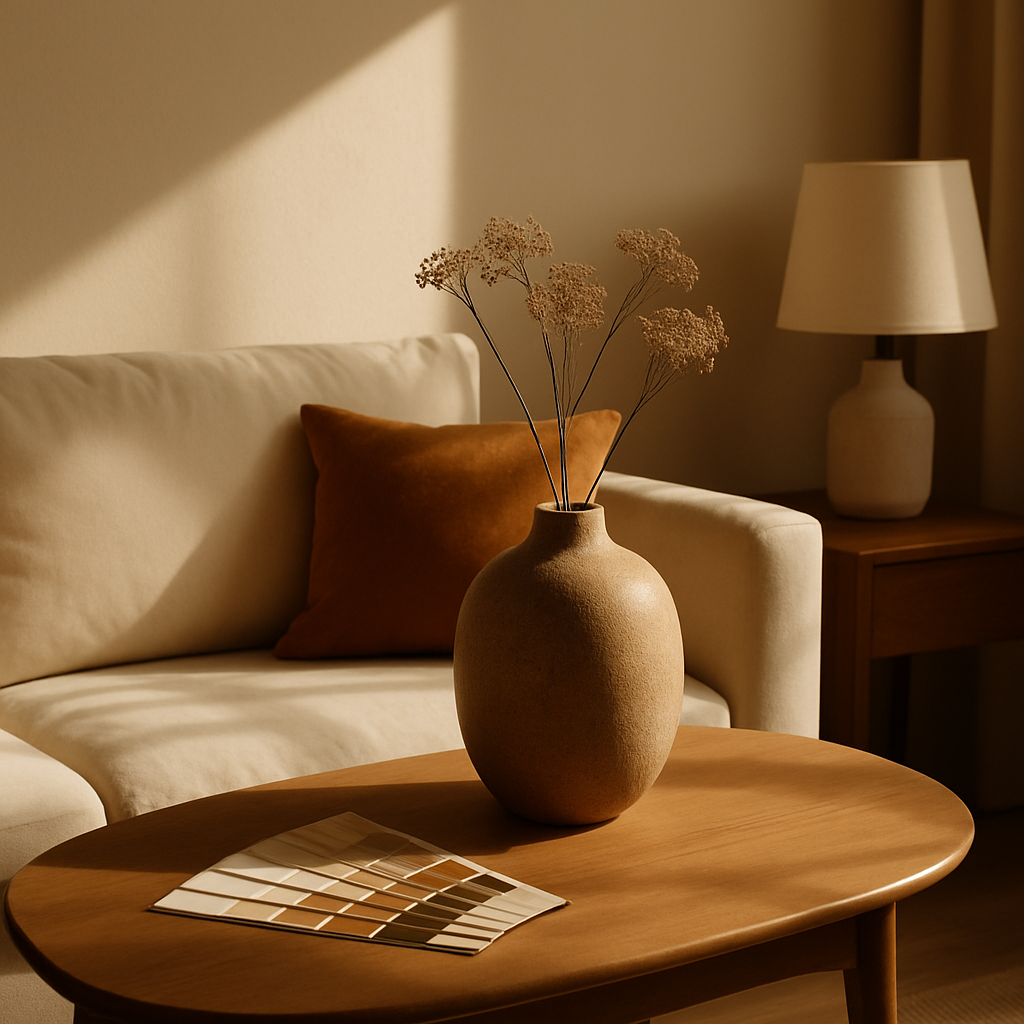
Picture this: you walk into a friend's newly redecorated living room, and it feels like stepping into a serene oasis. The colors are perfectly balanced, evoking warmth and tranquility. What's their secret? It all starts with choosing the perfect color palette. Selecting the right colors can transform a living room from ordinary to extraordinary, significantly impacting mood and ambiance. In this guide, we will explore foundational concepts of color theory, delve into data-backed insights, provide actionable strategies, and share expert-level details to help you choose the ideal color palette for your living room. Whether you're planning a full renovation or a simple refresh, these insights will ensure your space feels harmonious and inviting.
Understanding the Basics of Color Theory
Before diving into color choices, it's essential to grasp the basics of color theory. At its core, color theory is about understanding how colors interact with each other and how they can influence our perceptions and emotions. The color wheel, a fundamental tool in this theory, helps you visualize relationships between primary, secondary, and tertiary colors. For instance, complementary colors, which are opposite each other on the wheel, create a vibrant contrast when paired together, while analogous colors, which sit next to each other, offer a more harmonious look.
One of the most important principles in color theory is the 60-30-10 rule. This guideline suggests that 60% of a room should be a dominant color, 30% a secondary color, and 10% an accent color. This rule is a tried-and-true method for achieving balance and harmony in any space. For example, a living room might feature 60% warm earthy tones, 30% cool blues, and 10% vibrant yellows. This approach ensures that no single color overwhelms the room, creating a cohesive and appealing aesthetic.
Another critical concept is color temperature. Colors are generally categorized as warm or cool, with warm colors (reds, oranges, yellows) often creating a cozy, inviting atmosphere, and cool colors (blues, greens, purples) evoking calmness and serenity. Understanding how these temperatures affect mood can help you decide which palette aligns best with the atmosphere you wish to create in your living room. With these foundational concepts in mind, you're ready to explore more detailed analyses of color selection.
Analyzing Trends and Data in Living Room Colors
In recent years, industry surveys, such as those conducted by Houzz, have shown a significant trend towards more natural and muted tones in living rooms. This shift reflects a broader move towards biophilic design, which emphasizes connections with nature. According to Houzz, 45% of homeowners are now choosing color palettes that incorporate natural materials and colors derived from nature, such as greens, browns, and soft neutrals. This trend is not only aesthetically pleasing but also supports psychological well-being by promoting a soothing environment.
Additionally, the rise of smart home technology has influenced color trends. The integration of smart lighting systems allows homeowners to adjust the mood of a room with a simple command, often leading to more subdued and flexible color choices that can be easily enhanced with lighting changes. According to a study published by the American Society of Interior Designers (ASID), about 35% of new home designs incorporate smart lighting solutions, which can dramatically alter the perception of color under different conditions.
Experienced professionals often note that understanding these trends and data points is crucial for creating a space that not only looks current but also feels comfortable and inviting. By using colors that align with these insights, you can ensure your living room is both stylish and in tune with contemporary design preferences. This deeper understanding of trends and data will serve as the backbone for the practical strategies we'll explore next.
Actionable Strategies for Choosing Your Color Palette
Now that you're familiar with the basics and trends, it's time to implement actionable strategies for selecting your living room's color palette. Begin by considering the existing elements in your space, such as flooring, furniture, and architectural details. These can serve as a foundation for your color choices. If you have a dominant feature, like a statement fireplace or a large sofa, use its color as a starting point and build around it.
Next, think about the natural light in your living room. Rooms with abundant natural light can handle darker, more saturated colors, while those with limited light might benefit from lighter hues to keep the space feeling open and airy. This consideration is vital because light significantly affects how colors are perceived. For example, a bold navy wall may appear too intense in a poorly lit room but can look sophisticated and rich in a well-lit space.
Consider using AR/VR room visualization tools, which many designers now incorporate into client consultations. These tools allow you to virtually test different color schemes in your space before making a commitment. Platforms like Houzz and Pinterest offer such visualization features, providing a risk-free way to experiment with color. By applying these strategies, you'll be equipped to make informed decisions that reflect your style and functional needs. Let's delve into some expert insights that can further enhance your color selection.
Expert Insights and Advanced Techniques
As you refine your color palette, consider the psychological impact of colors. For instance, blues and greens are known for their calming effect, making them ideal for spaces designed for relaxation. On the other hand, reds and oranges can stimulate conversation and energy, suitable for more social areas. The International Interior Design Association (IIDA) frequently highlights the importance of these psychological effects in their seminars and publications, emphasizing their relevance in creating effective and enjoyable spaces.
Another advanced technique is to incorporate layers of texture and pattern, which can add depth and interest to your color scheme. Mixing different textures, such as a plush velvet sofa with a sleek wooden coffee table, can create visual intrigue even with a limited color palette. This approach allows you to maintain a sophisticated look without overwhelming the senses. It's a strategy often employed by certified interior designers, who hold credentials like the NCIDQ (National Council for Interior Design Qualification), a gold-standard certification in the industry.
Experienced professionals also advise considering the entire home's flow when selecting a color palette for a single room. Ensuring that the colors in your living room complement those in adjacent spaces will create a more cohesive and harmonious overall design. Thoughtful transitions between rooms can enhance the sense of continuity and comfort throughout your home. With these expert insights, you're now well-prepared to make choices that elevate your living room design. Let's explore additional details that can further enrich your process.
Diving Deeper into Color Selection
When selecting a color palette, consider the role of accent colors, which can add vibrancy and personality to your living room. Accent colors are typically used sparingly, such as in throw pillows, artwork, or decorative accessories, but they can make a significant impact. According to Houzz, 70% of designers recommend using bold accents to inject energy into neutral spaces without committing to a full room of bright color.
Also, think about the seasonal adaptability of your chosen palette. A neutral base with interchangeable accents allows for easy updates as seasons change, keeping your space fresh and dynamic. For example, you might switch out pastel accents for deeper jewel tones in the fall, reflecting the season's natural hues. This flexibility ensures that your living room remains stylish throughout the year without major redecorations.
Another consideration is the use of sustainable and eco-friendly materials, a growing trend in interior design. Choosing paints and materials that are low in volatile organic compounds (VOCs) not only contributes to a healthier home environment but also aligns with an increasing demand for sustainability. Many paint brands now offer eco-friendly options that don't compromise on color selection or quality. By incorporating these additional layers of consideration, you can make informed decisions that align with both personal style and broader environmental values. Now, let's wrap up with some final perspectives and actionable steps.
Final Perspectives on Color Selection
Choosing the perfect color palette for your living room is as much an art as it is a science. It's a process that combines personal preference with design theory, trend analysis, and practical application. While trends can guide you, the most important factor is how the colors make you feel in your space. Do they evoke the right emotions and enhance your living experience? Your living room should be a reflection of your personality and a comfortable retreat from the outside world.
Remember that color selection is not a static decision. Over time, as your tastes and lifestyle evolve, so too can your color palette. The flexibility to adapt and change your living room's look with minimal effort is one of the joys of interior design. By staying informed and open to new ideas, you can continuously refine your space to suit your needs.
Ultimately, the goal of any interior design project is to create a space that feels uniquely yours while also being functional and aesthetically pleasing. As you embark on this journey of color selection, keep these insights and strategies in mind. They will serve as a reliable guide as you create a living room that is both beautiful and personal. To bring your vision to life, start by browsing designer portfolios on platforms like Houzz or Pinterest this week. Even 20 minutes of research will sharpen your eye for what you want.


Comments
Post a Comment