The Top 5 Interior Design Apps You Need for a Stunning Home Makeover
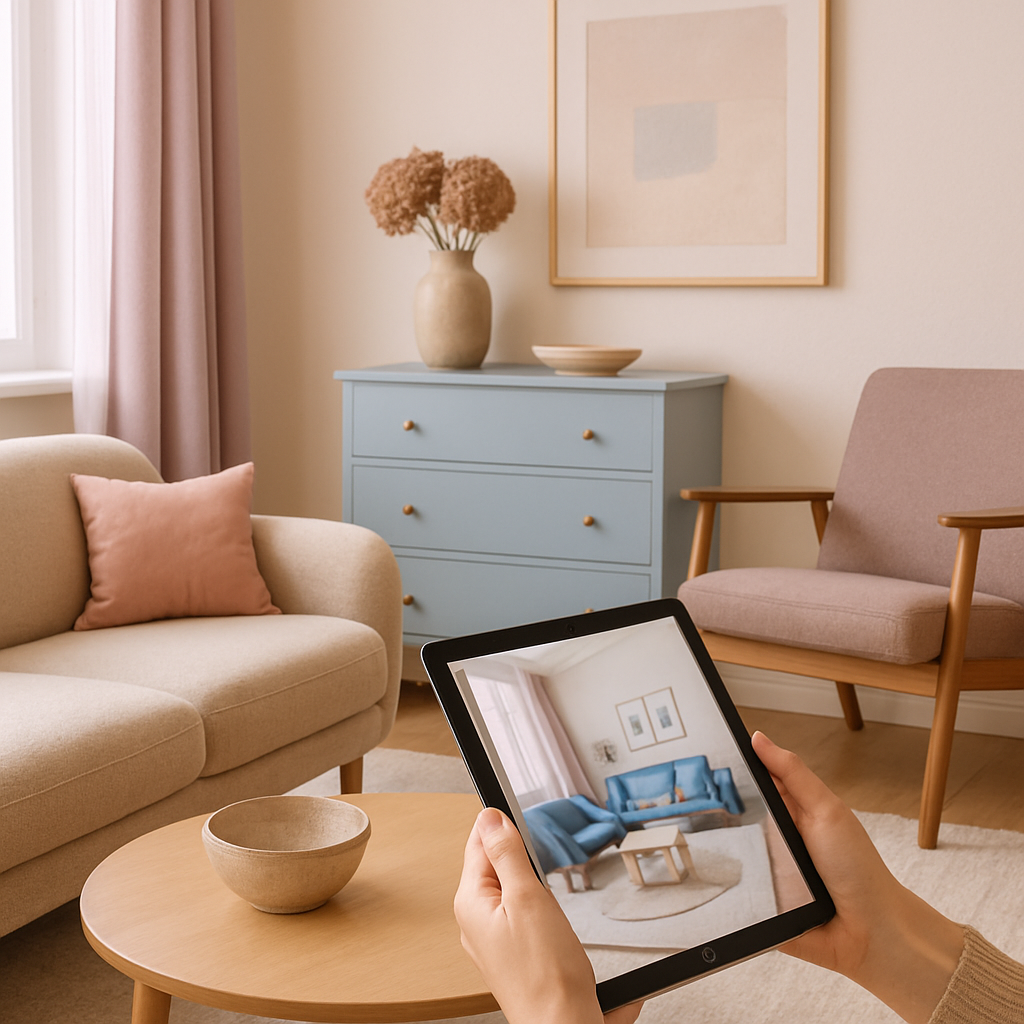
Imagine transforming your living space with the swipe of a finger. According to a recent survey by Houzz, over 70% of homeowners are turning to technology to aid their interior design projects. With the rise of intuitive design apps, creating a stunning home makeover is now more accessible than ever. This article delves into the top five interior design apps that are revolutionizing the way we approach home decor. From detailed 3D renderings to virtual reality walkthroughs, these tools will empower you to design with confidence and precision. We'll explore the features, benefits, and unique offerings of each app, guiding you on how to choose the right one for your project. Whether you're a seasoned designer or a DIY enthusiast, these apps are essential for achieving the home of your dreams.
Understanding the Basics of Interior Design Apps
At their core, interior design apps serve as digital platforms that allow users to visualize and plan their spaces before making any physical changes. This capability is invaluable, as it provides a risk-free environment to experiment with different layouts, color schemes, and furnishings. Many of these apps offer augmented reality (AR) features, enabling users to superimpose virtual furniture into their rooms using their smartphone cameras. This technology bridges the gap between imagination and reality, offering a tangible glimpse of potential design outcomes.
Moreover, these apps cater to a wide audience, from professional interior designers with NCIDQ (National Council for Interior Design Qualification) credentials to homeowners seeking a DIY approach. The flexibility of these platforms allows for personalized user experiences, where one can adjust settings according to skill level and project complexity. For instance, beginners might favor apps with pre-designed templates, while professionals might require advanced features like CAD integration.
Importantly, many apps align with modern design trends such as biophilic design, which integrates natural elements into interiors. This trend not only enhances aesthetic appeal but also contributes to well-being by fostering a connection to nature. As you familiarize yourself with these apps, consider how they can help you incorporate such trends into your design plans.
Analyzing Features and Data in Design Apps
When selecting an interior design app, it's crucial to understand the features they offer and how these align with your project goals. Some of the most compelling apps boast 3D rendering capabilities, allowing users to create detailed, life-like models of their spaces. According to industry surveys, 3D visualization helps users make more informed decisions, leading to higher satisfaction with the final outcome. These tools can show how light interacts with different textures and colors at various times of the day, providing a comprehensive view of the proposed design.
Another significant feature is the integration of real-time cost estimation. Apps like Planner 5D and Houzz integrate pricing data for furniture and materials, helping users stay within budget. A recent report by ASID (American Society of Interior Designers) indicates that budget overruns are a common challenge, with nearly 40% of homeowners exceeding their project budgets. By leveraging apps with cost estimation tools, you can mitigate financial risks and plan more effectively.
Additionally, many apps offer social sharing capabilities, enabling users to gather feedback from friends or clients. This feature is particularly beneficial for professionals who require client approval before proceeding with a design. Sharing designs through platforms like Instagram or Pinterest not only provides external validation but also fosters collaboration and creativity.
Implementing Actionable Strategies with Design Apps
To maximize the benefits of interior design apps, it's essential to approach your project with a clear strategy. Start by setting specific goals - what do you hope to achieve with your home makeover? Are you looking to enhance functionality, improve aesthetics, or increase property value? By defining your objectives, you can select an app that offers the right tools to meet your needs.
Next, consider the scope of your project. For a single-room redesign, an app with basic layout tools and furniture placement features may suffice. However, for a full-home renovation, you might require a comprehensive app like SketchUp, which offers intricate design capabilities and supports large-scale projects. Experienced professionals often note that understanding the scope early on can prevent project delays and ensure smoother execution.
Lastly, embrace the iterative nature of design. Use the app to experiment with various configurations, materials, and colors. Don't hesitate to make adjustments based on feedback and new insights. This flexibility is one of the most significant advantages of using digital tools - they allow you to refine your vision continuously without the commitment of physical changes.
Diving into Expert-Level Details
For those seeking a deeper dive into the capabilities of top-tier apps, it's beneficial to explore how these tools can integrate with other professional software. For example, many interior design apps offer compatibility with AutoCAD, enabling designers to import detailed architectural plans directly into the app. This integration streamlines workflow and ensures precision in design execution.
Moreover, apps like RoomSketcher provide VR viewing options, allowing users to virtually walk through their designs before implementation. This immersive experience can be instrumental in identifying potential issues that might not be apparent in 2D or even 3D views. The use of VR technology in design is a growing trend, offering a competitive edge for those willing to embrace it.
Additionally, understanding the fee structures associated with these apps is crucial. While many offer free versions with basic features, the more advanced functionalities often come at a premium. Subscription models typically range from $10 to $50 per month, depending on the level of access required. Evaluating the cost versus the benefits provided can help you make a more informed decision on which app to invest in.
Exploring Additional Depth in Design App Usage
Beyond the foundational and advanced features, interior design apps can also aid in fostering sustainable design practices. Many apps now include databases of eco-friendly materials and suppliers, aligning with the growing trend of sustainable and reclaimed materials. Incorporating these into your design not only supports environmental sustainability but can also enhance the market value of your property.
Another layer of depth is provided through community engagement features. Platforms like Houzz and Pinterest host vast communities where users can share ideas, gain inspiration, and seek advice. Engaging with these communities can expose you to diverse design philosophies and innovative solutions that you might not encounter otherwise.
Furthermore, the ability to customize and save multiple design iterations offers significant advantages. This feature allows designers to present clients with several options, enhancing the decision-making process. It also allows for easy revisitation of past ideas, should project scopes or client preferences change.
Final Perspectives on Interior Design Apps
As we wrap up this exploration of interior design apps, it's clear that these tools are indispensable in modern design projects. They empower users with the ability to visualize, plan, and execute designs with unparalleled precision and creativity. The apps discussed not only cater to various skill levels but also align with contemporary design trends, ensuring that your project remains relevant and on the cutting edge.
Moreover, the integration of technology into interior design has democratized the process, making it accessible to a broader audience. Whether you're a homeowner embarking on a DIY journey or a professional designer seeking to enhance your workflow, these apps provide the resources needed to bring your vision to life.
Conclusion: Take the First Step Toward Your Home Makeover
In conclusion, the top five interior design apps we've explored are more than just tools - they are gateways to creating spaces that reflect your style and meet your needs. As you embark on your home makeover journey, consider starting with a trial of one or two apps to see which best suits your design philosophy. Engage with the features, explore the possibilities, and let technology guide you toward a stunning home transformation.
Start by browsing designer portfolios on Houzz this week - even 20 minutes of research will sharpen your eye for what you want. Remember, the right app can elevate your design from ordinary to extraordinary, enabling you to achieve the stunning home you envision.



Comments
Post a Comment