The Role of Sustainable Materials in Modern Interior Design Trends
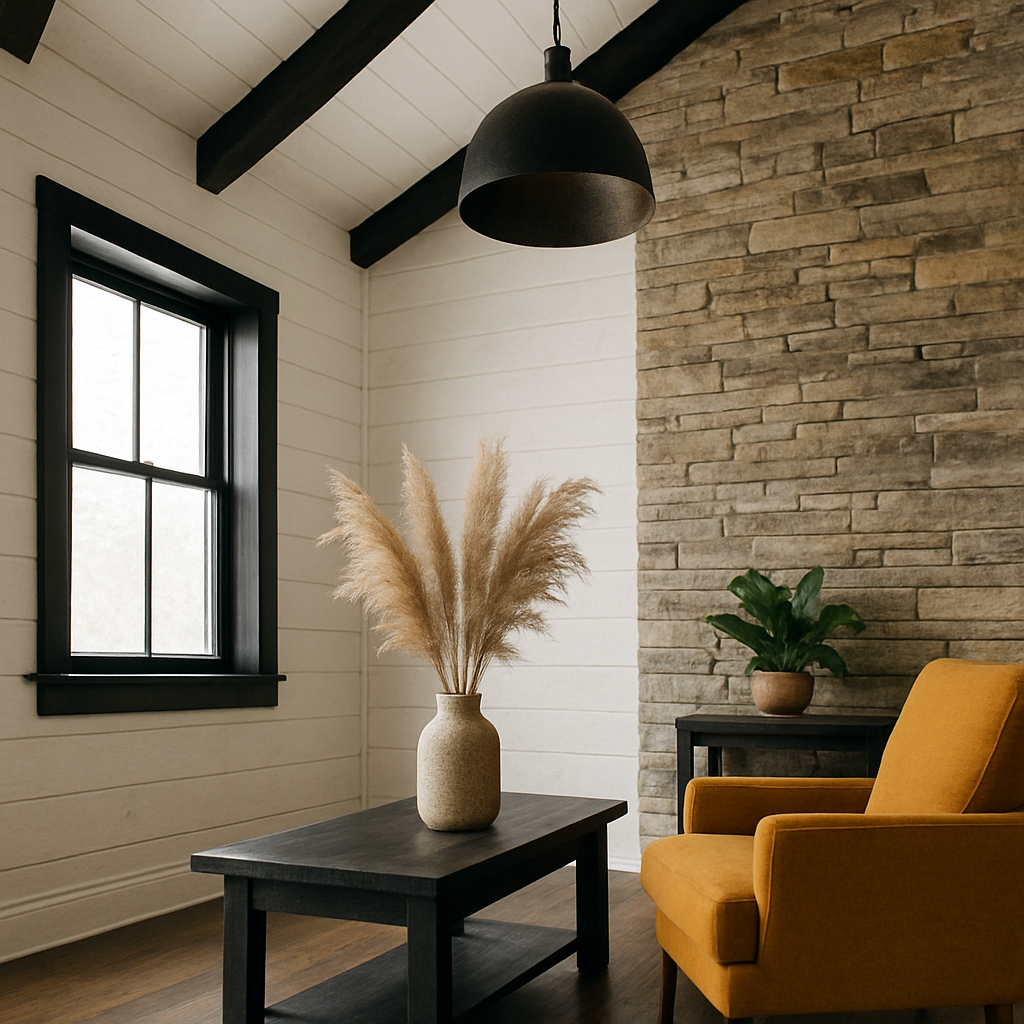
The world of interior design is experiencing a profound shift toward sustainability, as homeowners and designers alike recognize the importance of eco-friendly practices. Did you know that according to the American Society of Interior Designers (ASID), 90% of clients now express interest in sustainable design? This growing trend is not just about environmental responsibility; it's about creating spaces that are both beautiful and efficient. This article explores the pivotal role sustainable materials play in modern interior design trends. We will delve into foundational concepts, analyze industry data, provide actionable strategies, and offer expert insights into the current landscape. Are you ready to transform your living space with sustainability in mind?
Understanding Sustainable Materials in Interior Design
At the core of sustainable interior design lies the use of eco-friendly materials that minimize environmental impact. These materials include bamboo, reclaimed wood, recycled metal, and low-VOC (volatile organic compounds) paints. Bamboo, for instance, is a rapidly renewable resource, growing up to three feet per day, making it an ideal alternative to traditional hardwoods. Reclaimed wood not only reduces the need for new logging but also adds a unique character to interiors with its rich history and patina.
Low-VOC paints are another essential component of sustainable design. Traditional paints release harmful chemicals into the air, contributing to indoor air pollution. Low-VOC options significantly reduce these emissions, creating healthier indoor environments. Industry professionals often emphasize that choosing such materials can enhance both the aesthetic and functional aspects of a space. Have you considered how the materials you choose impact your health and the environment?
Incorporating recycled metals in fixtures and furniture is another way to embrace sustainability. Metals such as aluminum and steel can be recycled repeatedly without losing strength or quality. This not only conserves natural resources but also reduces energy consumption during production. By opting for recycled metals, you contribute to a circular economy, promoting resource efficiency. Understanding these foundational concepts is crucial as we explore the deeper implications of sustainable materials in design.
Sustainability and Its Impact on Modern Design Trends
The incorporation of sustainable materials is reshaping modern design trends. According to Houzz's annual survey, 65% of homeowners prioritize eco-friendly elements in their renovation projects. This shift is evident in the rise of biophilic design, which emphasizes natural materials and indoor-outdoor connections. Biophilic elements like living walls and natural light not only enhance aesthetics but also improve well-being by fostering a connection with nature.
Moreover, the trend of quiet luxury, characterized by understated elegance and high-quality materials, is gaining traction. This approach often involves the use of sustainable materials that exude timelessness and durability. For example, recycled glass countertops and sustainably sourced stone are commonly used to achieve a luxurious yet environmentally conscious look. As these trends gain popularity, they drive innovation in sustainable product offerings, pushing manufacturers to develop new eco-friendly options.
Industry surveys suggest that well-designed sustainable interiors can increase property resale values by 5-15%. This statistic underscores the financial benefits of incorporating sustainable elements into your design projects. Are you considering how adopting these trends might enhance not only your living environment but also the value of your property? As we move to actionable strategies, it's essential to keep these broader impacts in mind.
Actionable Strategies for Integrating Sustainable Materials
Integrating sustainable materials into your design projects requires careful planning and informed decision-making. Start by evaluating your existing space and identifying areas where eco-friendly materials can be incorporated. For instance, replacing synthetic carpets with natural fiber options like wool or sisal can significantly reduce your carbon footprint while enhancing the tactile experience of your home.
Another effective strategy is to prioritize local sourcing. By choosing materials produced locally, you minimize transportation emissions and support local economies. For example, locally sourced stone or reclaimed wood can add regional character to your space while promoting sustainability. Have you explored local suppliers and artisans who specialize in sustainable materials?
Additionally, consider the lifecycle of the materials you choose. Opt for products that are not only made sustainably but also have end-of-life recycling options. Many manufacturers now offer take-back programs for their products, ensuring they are reused or recycled rather than ending up in landfills. By making informed choices about materials, you can create a design that is both beautiful and sustainable, aligning with modern design trends.
Expert Insights on Sustainable Materials in Design
Experienced professionals often note that the key to successful sustainable design lies in a holistic approach. According to the International Interior Design Association (IIDA), incorporating sustainable materials is just one part of the puzzle. Effective design also involves energy-efficient systems, water conservation measures, and sustainable furniture choices. For instance, integrating smart home technology can optimize energy use, while low-flow fixtures reduce water consumption.
The National Council for Interior Design Qualification (NCIDQ) stresses the importance of education in sustainable practices. Certified interior designers, who hold credentials like NCIDQ, ASID, or IIDA, are trained to navigate the complexities of sustainable design. They can provide valuable insights into material selection, ensuring that your choices align with both aesthetic goals and environmental standards. Have you consulted with a certified designer to maximize the sustainability of your project?
Furthermore, platforms like Architectural Digest's AD PRO offer a wealth of resources and case studies on sustainable design. By accessing these resources, you can stay informed about the latest trends and innovations in the field. As we delve into additional details, you'll see how these expert insights can inform your design choices, creating spaces that are both cutting-edge and environmentally responsible.
Exploring Additional Depth in Sustainable Design
As you deepen your understanding of sustainable design, it's important to consider the role of technology in enhancing eco-friendly practices. Augmented reality (AR) and virtual reality (VR) tools are revolutionizing the way designers and homeowners visualize spaces. These technologies allow for virtual walkthroughs, helping you make informed decisions about materials and layouts before any physical changes are made.
Moreover, the use of sustainable and reclaimed materials is often complemented by innovative design techniques. For example, modular construction methods can reduce waste and construction time, providing a sustainable alternative to traditional building practices. Have you explored how these techniques might be applied to your own projects?
Additionally, sustainable design is increasingly focusing on community impact. Projects that incorporate community-sourced materials or involve local artisans not only enhance the aesthetic value of a space but also foster a sense of connection and responsibility. This community-oriented approach aligns with broader trends in design, emphasizing the importance of social sustainability alongside environmental considerations. As we conclude, these additional details offer a comprehensive view of sustainable design's potential.
The Future of Sustainable Materials in Interior Design
As we look to the future, the integration of sustainable materials in interior design is poised to become the norm rather than the exception. With increasing awareness of environmental issues and the tangible benefits of eco-friendly design, more homeowners and designers are embracing sustainable practices. This shift is supported by ongoing advancements in material science and technology, which continue to expand the possibilities for innovative design solutions.
Moreover, the financial incentives associated with sustainable design, such as increased property values and reduced operational costs, are likely to drive further adoption. As consumers become more environmentally conscious, the demand for sustainable products and practices will continue to grow, influencing industry standards and shaping the future of design.
In conclusion, the role of sustainable materials in modern interior design is both significant and transformative. By understanding the foundational concepts, analyzing current trends, and implementing actionable strategies, you can create spaces that are not only aesthetically pleasing but also environmentally responsible. As we summarize our insights, consider how you can incorporate these principles into your own design projects.
Conclusion: Start Your Sustainable Design Journey
The integration of sustainable materials in modern interior design trends offers a pathway to more environmentally friendly and aesthetically pleasing spaces. As we've explored, understanding the principles of sustainable materials, leveraging current trends, and employing actionable strategies can transform your living environment. Have you considered how these insights could be applied to your own home?
To begin your journey, start by researching local suppliers and certified interior designers who specialize in sustainable design. Platforms like Houzz and AD PRO provide excellent resources for finding professionals and gathering inspiration. Start by browsing portfolios on these platforms this week - even 20 minutes of research will sharpen your eye for what you want. By taking these steps, you'll be well on your way to creating a space that aligns with the latest trends and reflects your commitment to sustainability.



Comments
Post a Comment