The Rise of Sustainable Luxury Interior Design Trends in 2023
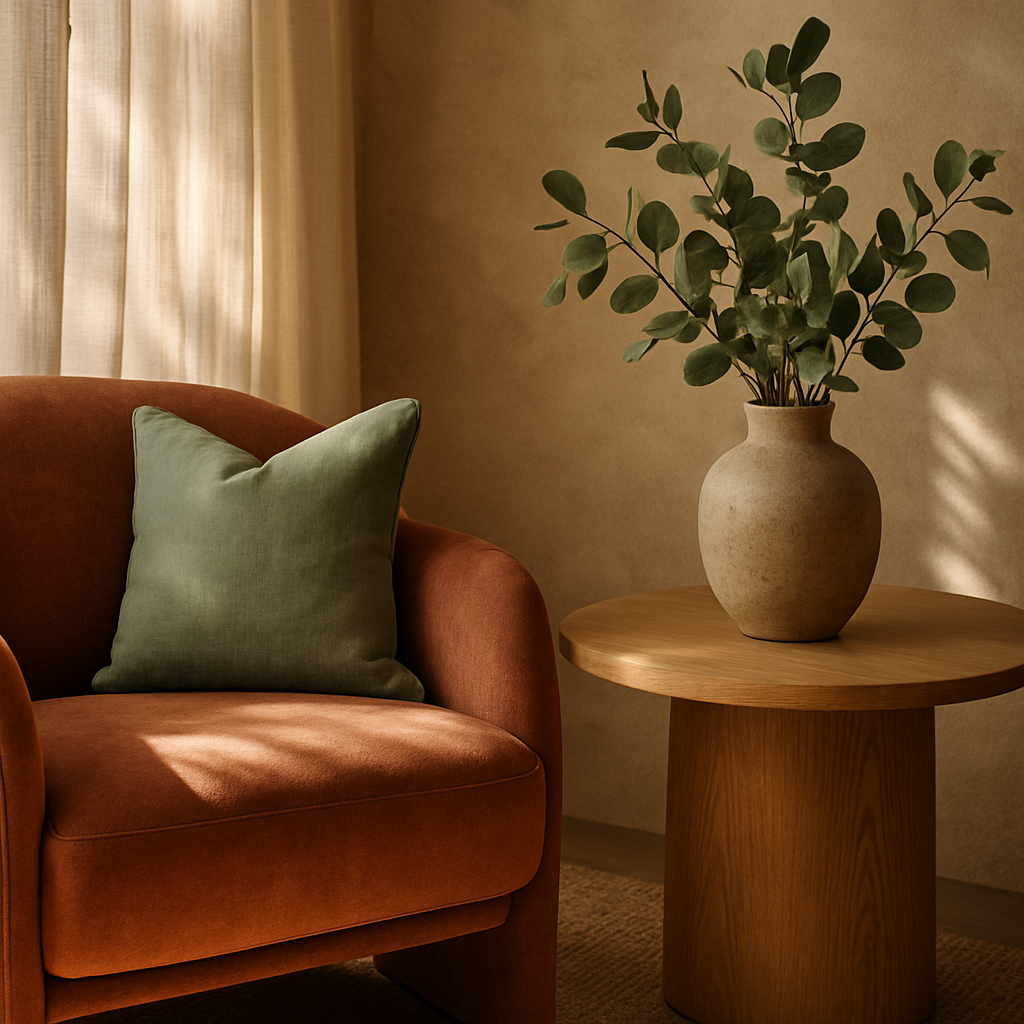
Imagine walking into a living room where the elegance of luxury meets the conscientiousness of sustainability. This is not just a dream but an unfolding reality as sustainable luxury interior design trends take center stage in 2023. According to a recent survey by Houzz, 70% of homeowners are prioritizing sustainable materials in their renovations. This shift reflects a growing desire to blend opulence with environmental responsibility, creating spaces that are not only beautiful but also mindful of the planet. In this article, we'll explore the foundational concepts of sustainable luxury, delve into the data driving these trends, offer actionable strategies for incorporating them into your home, and provide expert-level insights to elevate your design approach. By the end, you'll be equipped with the knowledge to transform your living spaces into sanctuaries of understated elegance and eco-friendly sophistication.
Understanding Sustainable Luxury: Foundational Concepts
Sustainable luxury in interior design is an innovative approach that marries high-end aesthetics with environmental responsibility. At its core, this trend emphasizes the use of eco-friendly materials that do not compromise on style or quality. Materials like bamboo, recycled metals, and sustainably sourced wood are increasingly popular choices for those looking to reduce their environmental footprint without sacrificing elegance. These materials are not only sustainable but also offer unique textures and finishes that enhance the overall aesthetic of a space.
Moreover, the integration of sustainable practices goes beyond material selection. It involves a holistic approach to design that includes energy-efficient lighting, smart home technologies, and water-saving fixtures. The American Society of Interior Designers (ASID) highlights that incorporating energy-efficient solutions can reduce a home's energy consumption by up to 30%, underscoring the practical benefits of sustainable design. This approach not only minimizes environmental impact but also reduces long-term operational costs, making it a financially sound choice for luxury homeowners.
Furthermore, the concept of biophilic design is gaining traction within the realm of sustainable luxury. This design philosophy focuses on creating a seamless indoor-outdoor connection, fostering a harmonious relationship with nature. By incorporating elements such as living walls, indoor gardens, and natural light optimization, designers create spaces that promote well-being and serenity. As we continue to explore these concepts, it's clear that sustainable luxury is not just a trend but a transformative movement within the interior design industry.
The Driving Forces Behind Sustainable Luxury: Data and Insights
The rise of sustainable luxury interior design is driven by several key factors, including consumer demand, environmental awareness, and technological advancements. According to a report by the International Interior Design Association (IIDA), 85% of consumers are willing to pay more for sustainable products, reflecting a significant shift in priorities. This demand for eco-friendly solutions is not only influencing the design choices of individual homeowners but also shaping industry standards and practices.
In addition to consumer preferences, regulatory pressures are encouraging the adoption of sustainable practices. Governments worldwide are implementing stricter environmental regulations, pushing the construction and design industries towards greener solutions. For example, the European Union's commitment to reducing carbon emissions by 55% by 2030 has accelerated the adoption of sustainable building materials and practices. These regulations are not only necessary for environmental protection but also present opportunities for innovation within the luxury design sector.
Technological advancements are also playing a crucial role in the evolution of sustainable luxury. The integration of smart home technologies allows for greater energy efficiency and resource management. Automated lighting, climate control, and energy monitoring systems provide homeowners with the tools to reduce their environmental impact while maintaining a luxurious lifestyle. As these technologies become more accessible, the barrier to adopting sustainable practices continues to decrease, making it easier for luxury design to align with sustainability goals.
Actionable Strategies for Incorporating Sustainable Luxury
If you're considering incorporating sustainable luxury into your home, start by assessing the materials used in your current design. Opt for materials that are certified by credible organizations such as the Forest Stewardship Council (FSC) or the Global Organic Textile Standard (GOTS). These certifications ensure that the materials are sourced and produced in an environmentally and socially responsible manner. By choosing certified materials, you not only enhance the sustainability of your design but also support ethical production practices.
Another effective strategy is to invest in energy-efficient appliances and fixtures. Look for products with ENERGY STAR ratings, which are a reliable indicator of energy efficiency. These appliances not only reduce energy consumption but also often come with innovative features that enhance convenience and performance. For instance, modern energy-efficient refrigerators and washing machines offer advanced settings that optimize usage and minimize waste.
Additionally, consider integrating smart home technologies to enhance the sustainability of your space. Smart thermostats, automated lighting systems, and water-saving fixtures are just a few examples of how technology can support sustainable living. These systems provide precise control over your home's resources, allowing you to monitor and adjust your consumption patterns easily. By implementing these strategies, you can create a home that is both luxurious and environmentally responsible, aligning with the principles of sustainable luxury design.
Expert-Level Insights on Sustainable Luxury Design
Experienced professionals often note that the key to successful sustainable luxury design lies in balancing aesthetics with functionality. According to the National Council for Interior Design Qualification (NCIDQ), which sets standards for the interior design profession, understanding client needs and the intended use of a space is crucial for creating designs that are both beautiful and practical. This requires a nuanced understanding of materials, technologies, and design principles that can maximize both aesthetic appeal and environmental benefit.
One advanced strategy is to use virtual reality (VR) tools for room visualization. These tools allow designers and clients to explore different design options in a virtual space, making it easier to visualize the impact of various sustainable choices. By experimenting with layouts, materials, and lighting in VR, clients can make informed decisions that align with their sustainability and luxury goals. This technology not only enhances the design process but also reduces the risk of costly changes during the implementation phase.
Moreover, many industry experts advocate for a personalized approach to sustainable luxury design. This involves tailoring the design to reflect the client's values and lifestyle. Whether it's incorporating heirloom furniture, selecting locally sourced materials, or designing a space that supports specific wellness goals, personalized design ensures that sustainability is integrated in a way that resonates with the client. This bespoke approach is what truly sets luxury design apart, offering not just a beautiful space, but one that is deeply meaningful and aligned with personal values.
Additional Depth: Sustainability Meets Elegance in Design
In the realm of sustainable luxury, elegance is achieved through simplicity and thoughtfulness. The Japandi style, a fusion of Japanese minimalism and Scandinavian warmth, exemplifies this principle. This design philosophy embraces clean lines, neutral color palettes, and natural materials, creating spaces that are both serene and sophisticated. By prioritizing simplicity and functionality, Japandi design aligns perfectly with sustainable luxury principles, offering a timeless aesthetic that transcends fleeting trends.
Another key trend is the use of reclaimed and vintage materials. Incorporating these elements not only adds character and history to a space but also reduces the demand for new resources. Vintage furniture and reclaimed wood beams are excellent examples of how luxury can be achieved sustainably. These materials offer a unique charm and authenticity that new materials often lack, making them a popular choice for those seeking to create a one-of-a-kind space.
Finally, sustainable luxury design often includes a focus on wellness and biophilia. By incorporating natural elements such as indoor plants, water features, and ample natural light, designers create environments that promote mental and physical well-being. This holistic approach to design ensures that spaces are not only visually appealing but also supportive of a healthy lifestyle. As we continue to explore these trends, it becomes clear that sustainable luxury is about creating spaces that are as good for the soul as they are for the planet.
Final Perspectives on Sustainable Luxury Interior Design
The journey towards sustainable luxury in interior design is as much about evolution as it is about revolution. As homeowners and designers alike become more conscious of their environmental impact, the demand for eco-friendly luxury solutions continues to grow. This shift is reflected in the increasing availability of sustainable materials, technologies, and design practices that make it easier than ever to create luxurious spaces that are kind to the planet.
However, the path to sustainable luxury is not without its challenges. Balancing aesthetic desires with environmental considerations can be complex, requiring careful planning and expertise. Yet, this challenge is also an opportunity for creativity and innovation, pushing the boundaries of what is possible in interior design. By embracing these challenges, the industry is poised to lead the way in redefining luxury for the modern era.
As you consider how to incorporate these trends into your own spaces, remember that sustainable luxury is not just about the materials or technologies you choose. It's about creating a harmonious balance between beauty, functionality, and responsibility. This balance is the essence of true luxury, offering a design that is not only visually stunning but also meaningful and enduring.
Conclusion: Taking the Next Steps Towards Sustainable Luxury
In conclusion, the rise of sustainable luxury interior design trends offers a compelling opportunity to create spaces that are both exquisite and environmentally conscious. By understanding the foundational concepts, analyzing the driving forces, and implementing actionable strategies, you can transform your home into a sanctuary of sustainable elegance. As you embark on this journey, consider the insights shared by industry experts and the emerging trends that blend sophistication with sustainability.
Are you ready to start your sustainable luxury design journey? Begin by exploring portfolios on platforms like Houzz and Instagram to gather inspiration and identify the elements that resonate with you. Even a short 20-minute session can refine your understanding of what sustainable luxury means to you. With thoughtful planning and a commitment to environmental responsibility, you can create a home that reflects your values and enhances your lifestyle.



Comments
Post a Comment