The Rise of Japandi Interior Design: Blending Minimalism with Nature
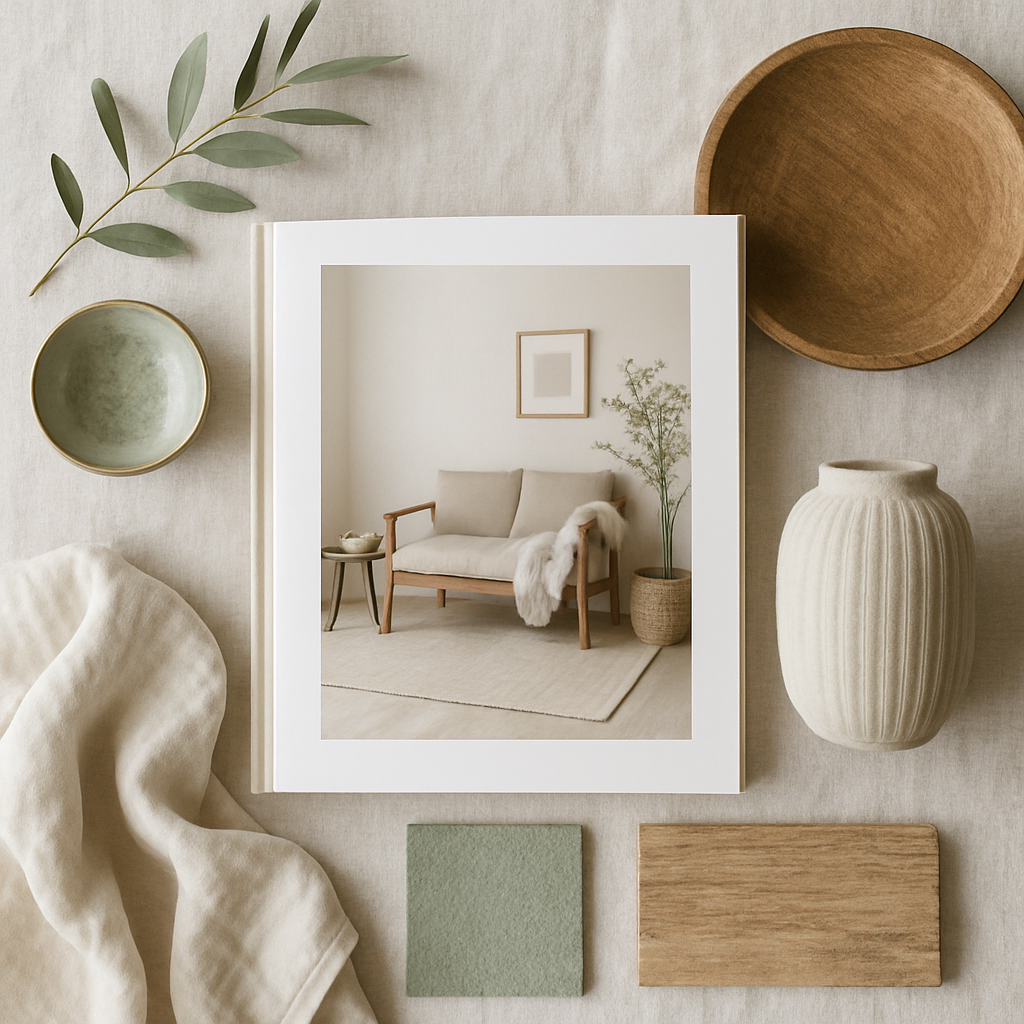
Imagine walking into a room where the calm of Japanese minimalism meets the inviting warmth of Scandinavian design. That's the essence of Japandi, a trend that's rapidly gaining traction in the world of interior design. This hybrid style is more than just a passing fad; it's a harmonious blend that speaks to our increasing desire for spaces that are both functional and serene. With the chaos of modern life, who wouldn't want a home that offers tranquility and simplicity? In this article, we'll explore the foundational concepts of Japandi design, delve into its growing popularity with data-backed insights, and provide actionable strategies for incorporating this aesthetic into your home. We'll also share expert-level details and additional depth for those ready to fully embrace this serene style.
Foundational Concepts of Japandi Design
Japandi design, at its core, is a marriage of two distinct styles: Japanese minimalism and Scandinavian functionality. Both traditions emphasize simplicity, but they bring different elements to the table. Japanese aesthetics focus on the principle of 'wabi-sabi,' which celebrates imperfection and transience. This is often expressed through natural materials like wood and stone, and a neutral color palette that evokes a sense of calm. On the other hand, Scandinavian design is known for its functionality, bright spaces, and use of light woods and textiles to create warmth and coziness.
What makes Japandi unique is its ability to seamlessly blend these elements into a cohesive whole. The style embraces the 'less is more' philosophy, steering clear of clutter and focusing on essential pieces that provide both form and function. For instance, a living room designed in Japandi style might feature a low-profile sofa with clean lines, a wooden coffee table, and a few carefully selected accessories that add texture and interest without overwhelming the space. This approach not only creates visual harmony but also promotes a sense of peace and relaxation.
Incorporating natural elements is another key aspect of Japandi design. Whether it's a potted plant, a bamboo mat, or a stone sculpture, these elements connect the indoor space with the natural world. This connection to nature is not just an aesthetic choice but also a reflection of a growing trend towards sustainability and mindfulness in interior design. As we move further into the 21st century, these values will likely continue to shape the way we design our living spaces. So, how does this trend reflect broader changes in homeowner preferences?
Japandi's Popularity: Trends and Data
Japandi's rise in popularity isn't just anecdotal; it's supported by data. According to the annual Houzz survey, more homeowners are prioritizing simplicity and functionality in their design choices. In 2022, over 60% of respondents expressed a preference for minimalist interiors, with Japandi emerging as a top choice for those seeking a balance between austerity and warmth. This trend is not just confined to residential spaces; commercial establishments are also embracing Japandi for its ability to create calm and inviting environments that enhance customer experience.
The appeal of Japandi is further highlighted by its alignment with the growing movement towards sustainable living. The ASID (American Society of Interior Designers) reports that eco-friendly designs have been gaining momentum, with 75% of designers incorporating sustainable practices into their projects. Japandi's use of natural materials and its emphasis on quality over quantity make it a perfect fit for this eco-conscious approach. This design philosophy not only reduces environmental impact but also promotes a healthier lifestyle by minimizing the presence of synthetic materials and pollutants.
Moreover, the International Interior Design Association (IIDA) notes that Japandi design often leads to higher customer satisfaction due to its focus on creating spaces that are both aesthetically pleasing and functional. This satisfaction is reflected in property values as well; well-designed interiors can increase a home's resale value by 5-15%, according to industry experts. As we explore actionable strategies for adopting this style, consider how these trends might influence your own design decisions.
Actionable Strategies for Adopting Japandi Style
If you're intrigued by the Japandi aesthetic and are considering incorporating it into your home, where should you start? First, assess your current space with a critical eye. Identify areas that feel cluttered and determine which items are essential. The goal is to create a serene environment by paring down to the necessities. Experienced professionals often recommend starting with the room you spend the most time in, such as the living room or bedroom, to maximize your enjoyment of the transformation.
Next, focus on your color palette. Japandi design favors neutral tones-think whites, grays, and earth tones. These colors serve as a backdrop that enhances natural light and creates a spacious feel. You can add depth and interest by incorporating textures through textiles like linen or cotton in cushions and throws. Remember, the key is to create layers without clutter, ensuring each piece contributes to the overall harmony of the space.
Finally, embrace natural materials wherever possible. Opt for furniture made from wood, bamboo, or rattan, and incorporate elements such as stone or ceramics in your decor. If you're looking to make a significant change, consider investing in a statement piece like a wooden dining table or a minimalist sofa. Both Houzz and Pinterest offer a wealth of inspiration and resources to help you visualize these elements in your space. As you explore these strategies, think about how they align with your personal style and the overall atmosphere you wish to cultivate.
Expert Insights on Japandi Design
Experienced professionals in the field of interior design often note that the key to mastering Japandi lies in balance. It's not just about stripping away excess but carefully curating what's left to tell a cohesive story. This involves a thoughtful selection of furniture and decor that reflects both functionality and beauty. For example, an NCIDQ-certified designer might suggest incorporating multifunctional pieces like a bench that doubles as storage, seamlessly blending utility with aesthetic appeal.
Another important aspect is lighting. Japandi design thrives on natural light, which means maximizing windows and choosing light fixtures that complement the minimalist aesthetic. Consider using floor lamps with clean lines or pendant lights in natural materials to enhance this effect. By doing so, you create a sense of openness and airiness that is central to the Japandi ethos.
Moreover, the integration of biophilic design elements, such as plants and water features, can further enhance the calming nature of a Japandi space. These elements not only add life and color but also improve air quality and promote a sense of well-being. As you continue to explore Japandi design, consider how these expert insights can inform your approach to creating a harmonious and functional living environment.
Advanced Techniques for Japandi Enthusiasts
For those who wish to delve deeper into the Japandi style, consider incorporating technology to enhance your design experience. Advanced tools like AR/VR room visualization can help you experiment with different layouts and color schemes without committing to permanent changes. This technology, which is increasingly being used by professional designers, allows you to see how different elements interact within a space, making it easier to achieve the perfect balance.
Another technique is to invest in smart home integration, which aligns well with the minimalist principles of Japandi. Automated lighting, climate control, and window treatments can simplify your daily routines while maintaining the clean, uncluttered look of your interior. This not only increases the functionality of your space but also enhances comfort and convenience.
Finally, consider the long-term benefits of incorporating sustainable practices into your Japandi design. Choose materials that are responsibly sourced and durable to ensure your space remains stylish and functional for years to come. This approach not only benefits the environment but also adds to the overall value of your home. As you consider these advanced techniques, think about how they can help you create a space that truly reflects your personal style and values.
Final Perspectives on Japandi Design
As we conclude our exploration of Japandi interior design, it's worth considering how this style reflects broader shifts in design philosophy. At its heart, Japandi is about finding beauty in simplicity and creating a connection with nature. This resonates with a growing desire for spaces that are not only aesthetically pleasing but also meaningful and sustainable. Are you ready to embrace a design approach that prioritizes tranquility and functionality?
Japandi is more than just a design trend; it's a lifestyle choice that encourages mindful living and a deeper appreciation for the spaces we inhabit. As you reflect on the ideas presented in this article, consider how you might incorporate elements of Japandi into your own home. Whether it's through color, material, or layout, the possibilities are endless.
Conclusion: Embrace the Japandi Lifestyle
In summary, Japandi interior design offers a unique blend of minimalism and nature that can transform any home into a serene and functional sanctuary. By understanding its foundational concepts, analyzing its popularity, and employing actionable strategies, you can create a space that reflects both your personal style and a commitment to sustainability. As you embark on this design journey, start by browsing portfolios on platforms like Houzz or Pinterest this week. Even 20 minutes of research will sharpen your eye for what you want. The tranquility and beauty of a Japandi-inspired home await you.


Comments
Post a Comment