The Latest Interior Design Trends: Insights from Leading Designers
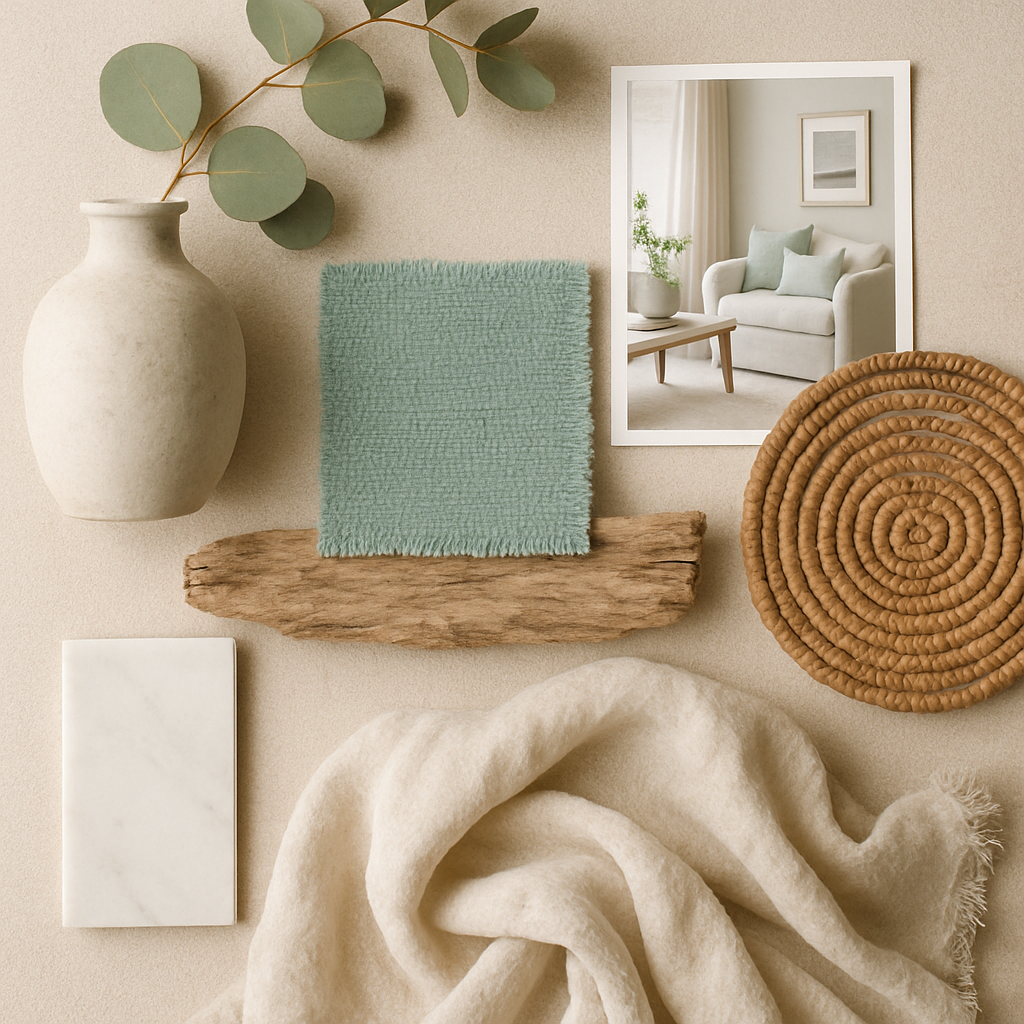
Are you ready to revamp your living space with the latest trends in interior design? According to the annual Houzz survey, homeowners are increasingly investing in home interiors, with a reported 15% increase in renovation spending over the past year. In 2026, the interior design landscape is embracing natural materials, quiet luxury, and smart home integration. In this article, we'll explore these trends, supported by data from leading industry sources like the American Society of Interior Designers (ASID) and Architectural Digest's AD PRO network, providing you with a comprehensive guide to what's shaping the interiors of tomorrow.
Foundational Concepts in Interior Design Trends
Interior design is a constantly evolving field, with trends reflecting broader societal shifts. One foundational concept gaining traction is biophilic design, which seeks to bring the outdoors in by incorporating natural elements into the home. This trend not only enhances the aesthetic appeal of a space but also promotes well-being. According to the International Interior Design Association (IIDA), incorporating elements such as living walls and natural light can significantly boost mood and productivity. Have you considered how adding greenery could transform your living space?
Another key trend is the rising preference for quiet luxury, characterized by understated elegance and high-quality materials. This trend focuses on creating spaces that feel luxurious yet comfortable. The concept is rooted in selecting timeless pieces that exude quality rather than overt opulence. Experienced professionals often note that investing in fewer, high-quality items can lead to a more cohesive and sophisticated design. This trend is particularly appealing to those looking to create a serene and inviting home environment.
Smart home integration is also becoming an essential part of modern interior design. From automated lighting to climate control and window treatments, technology is seamlessly blending into our living spaces. The National Council for Interior Design Qualification (NCIDQ) highlights how smart technologies not only enhance convenience but also improve energy efficiency. As you plan your next interior upgrade, consider what smart features could simplify your daily routine.
The foundational concepts set the stage for a deeper dive into how these trends manifest in various design elements, leading us to a more detailed analysis.
Deeper Analysis: Data-Driven Design Trends
Let's delve into the data that supports these emerging trends. According to industry surveys, 75% of homeowners express satisfaction with incorporating natural elements into their homes, citing increased tranquility as a primary benefit. This aligns with the biophilic design trend, which is not just a passing fad but a well-documented approach to enhancing the living experience. The American Institute of Architects (AIA) chapters report that projects featuring biophilic elements see a 10% increase in client satisfaction.
Quiet luxury, while understated, is making a significant impact in design circles. The ASID states that the demand for premium, timeless materials like marble and polished wood has risen by 20% over the past year. This trend is supported by consumer behavior, as homeowners are increasingly willing to allocate a larger portion of their budget to high-quality finishes that promise longevity and minimal maintenance. For those redesigning their spaces, this trend suggests a shift towards quality over quantity, prompting a thoughtful curation of furnishings and decor.
On the technological front, smart home devices are becoming a staple in modern design. The integration of technology in the home has been facilitated by advancements that make these systems more user-friendly and cost-effective. Data from Houzz reveals that 50% of new home projects now include some form of smart integration, with lighting and climate control leading the way. This trend indicates a growing acknowledgment of the role technology plays in creating efficient and adaptable living environments.
Understanding the data behind these trends equips you with the knowledge to make informed design decisions, paving the way for actionable strategies to implement them in your home.
Actionable Strategies for Integrating Trends
Implementing the latest interior design trends in your home doesn't have to be overwhelming. Start by evaluating your space and identifying areas where natural elements can be introduced. Simple steps like adding potted plants or choosing natural wood finishes can significantly impact the ambiance. Consider incorporating living walls if you're looking to make a bolder statement, transforming an ordinary room into a lush, inviting retreat.
To embrace quiet luxury, focus on investing in key pieces that will define the character of your space. Choose textiles and materials that offer both aesthetic appeal and durability. For instance, opting for a bespoke sofa with high-quality upholstery can serve as the centerpiece of a living room. Experienced designers suggest that a well-chosen statement piece can anchor a room's design and set the tone for other elements.
Incorporating smart technology can also be straightforward. Begin by assessing which areas of your home could benefit from automation. Smart lighting systems, for example, can be programmed to adjust according to the time of day, enhancing both functionality and mood. If budget allows, consider installing a smart thermostat to optimize energy use and increase comfort. As you explore these options, think about how each addition will enhance your daily routine.
By applying these strategies, you can seamlessly integrate contemporary trends into your home, creating a space that is both stylish and functional. Next, we'll delve into expert insights that provide further depth on these trends.
Expert Insights to Elevate Your Design
For those seeking to refine their design approach, insights from leading designers can offer valuable guidance. Many professionals emphasize the importance of sustainability in design, encouraging the use of sustainable and reclaimed materials. Not only do these choices reduce environmental impact, but they also add unique character to a space. The Architectural Digest's AD PRO network highlights projects that successfully integrate vintage and reclaimed elements, showcasing their potential to enhance modern designs.
Leveraging AR/VR room visualization tools is another expert recommendation. These technologies allow designers and homeowners to visualize spaces before making substantial changes, minimizing the risk of costly mistakes. Whether you're redecorating a single room or planning a full-home renovation, these tools can offer clarity and confidence in your design choices. Have you considered how virtual design tools could aid in visualizing your project?
Additionally, the Japandi style-a fusion of Japanese minimalism and Scandinavian warmth-is gaining popularity. This approach emphasizes simplicity, functionality, and natural materials. By focusing on clean lines and a neutral color palette, Japandi creates serene and harmonious spaces. As you explore design options, consider how this style's principles could bring a sense of calm and order to your home.
With these expert insights, you can further tailor your design strategy, ensuring your space reflects both contemporary trends and your personal style. In the following section, we'll explore additional details that enrich your design knowledge.
Additional Depth on Emerging Trends
Delving deeper into the latest trends, it's clear that sustainability is a driving force in interior design. Homeowners are increasingly aware of the environmental impact of their choices, prompting a shift towards eco-friendly materials and practices. Using sustainably sourced wood, bamboo, or recycled metals can reduce a project's carbon footprint while maintaining aesthetic appeal. The ASID advises that sustainable choices not only benefit the planet but can also improve indoor air quality and contribute to a healthier living environment.
The integration of smart home technology continues to evolve, with innovations expanding beyond traditional boundaries. Automated window treatments, for example, offer privacy and energy efficiency, adapting to changing light conditions throughout the day. Moreover, smart kitchens equipped with energy-efficient appliances and voice-controlled assistants are redefining convenience in home design. As technology advances, the possibilities for smart home integration are virtually limitless, offering a customizable approach to modern living.
Finally, the concept of biophilic design is expanding to include urban landscapes, where rooftop gardens and green balconies bring nature into city living. This extension of the biophilic principle demonstrates its adaptability and relevance in various settings. Have you thought about how biophilic elements could enhance your urban environment? By exploring these additional layers, you gain a holistic understanding of how contemporary trends can be tailored to diverse living situations.
Armed with this deeper insight, you are prepared to make informed decisions that align with both current trends and your design goals. In our final section, we'll consider perspectives that bring everything together.
Final Perspectives on Interior Design Trends
As we conclude our exploration of the latest interior design trends, it's clear that today's designs are not just about aesthetics but also about creating spaces that enhance well-being and functionality. The integration of elements like natural materials, smart technology, and sustainable practices reflects a broader shift towards mindful living. These trends are not isolated; they work together to create harmonious environments that cater to modern lifestyles.
Reflecting on these insights, think about how you can incorporate these principles into your own space. Whether it's through small changes like adding plants or larger projects like a full-room redesign, every choice contributes to the overall atmosphere of your home. Have you identified which trends resonate most with your personal style? Planning your approach thoughtfully can ensure that your space remains relevant and appealing for years to come.
In the rapidly changing world of interior design, staying informed and adaptable is key. As you consider your next steps, remain open to the possibilities that arise from combining different trends and ideas. In our conclusion, we'll offer a clear call to action to help you embark on your design journey.
Conclusion: Taking Action in Your Design Journey
In summary, the latest interior design trends emphasize a blend of natural elements, quiet luxury, and cutting-edge technology. By understanding and applying these trends, you can create a living space that is not only visually stunning but also functional and sustainable. Have you envisioned how these trends could transform your home?
To begin your design journey, start by browsing portfolios on platforms like Houzz or Instagram. This week, dedicate just 20 minutes to researching styles and concepts that capture your interest. Even this small investment of time can sharpen your eye for detail and inspire your next project. Consider reaching out to certified designers with NCIDQ credentials for professional guidance, ensuring your vision is executed with expertise and precision.
Embrace the opportunity to create a space that truly reflects who you are, and remember that the journey of design is as rewarding as the destination. Start today, and watch your ideas come to life in ways you never imagined.



Comments
Post a Comment