The Future of Interior Design: Trends Shaping Our Living Spaces in 2024
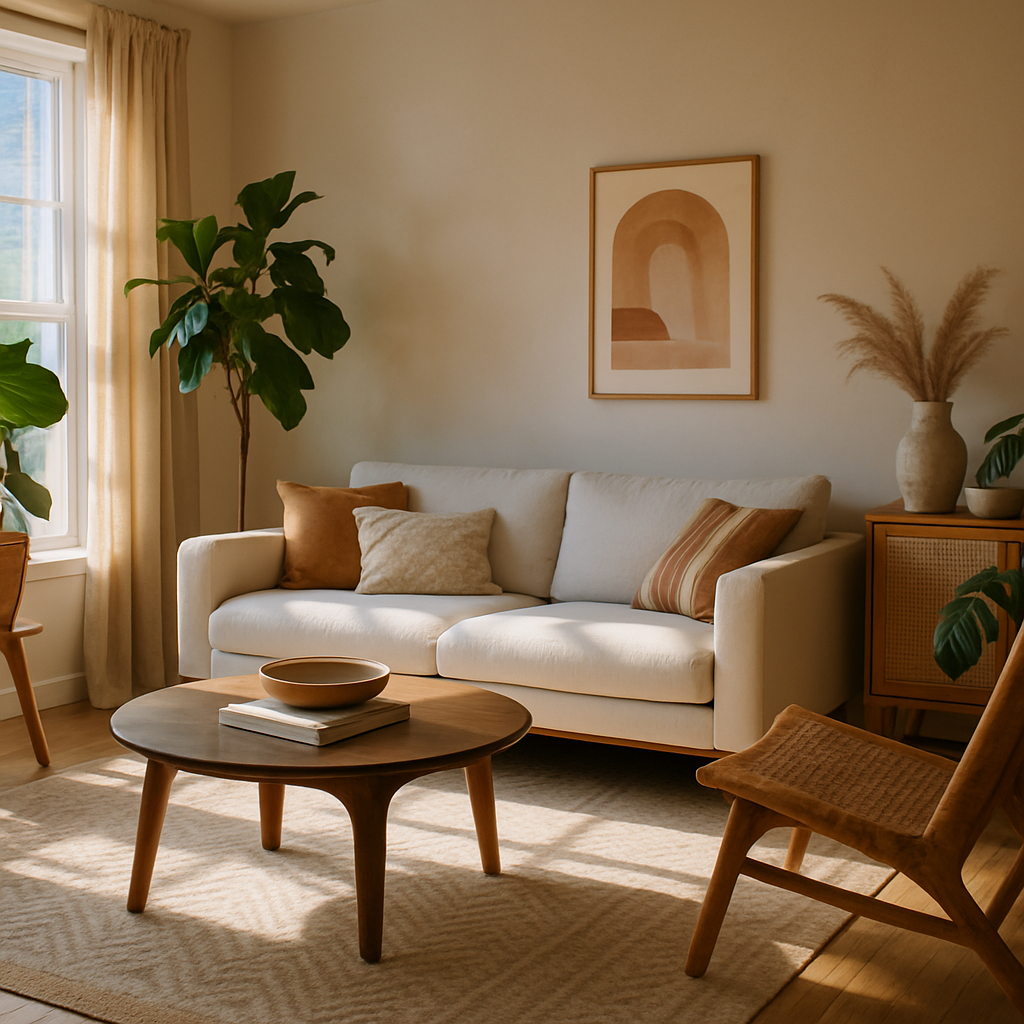
Imagine walking into your living room, where the walls breathe with greenery, the lighting adjusts to your mood, and the furniture tells a story of sustainability. According to a recent survey by Houzz, over 70% of homeowners are eager to incorporate these elements into their homes. As we look towards 2024, the future of interior design embraces a harmonious blend of technology, nature, and understated elegance. This article will explore the trends that are set to redefine our living spaces, including biophilic design, smart home integration, and the rising demand for sustainable materials. We'll also delve into actionable strategies for incorporating these trends into your own home, offering expert insights and practical advice to help you stay ahead of the curve.
Biophilic Design: Bringing Nature Indoors
Biophilic design, a concept that emphasizes the connection between humans and nature, is poised to dominate interior design in 2024. This approach integrates natural elements such as plants, water features, and organic materials to create a soothing and rejuvenating environment. According to the American Society of Interior Designers (ASID), incorporating elements of nature can enhance mental well-being, reduce stress, and improve air quality in indoor spaces. Imagine a living wall lush with greenery or a bedroom with large windows framing a tranquil garden - these are not just design choices, but lifestyle enhancements.
One of the primary drivers of biophilic design's popularity is its ability to create a sense of calm in increasingly urbanized environments. As cities grow denser, our homes become sanctuaries away from the hustle and bustle. By incorporating natural elements, you can transform even the smallest apartment into an oasis. Experienced professionals often note that even simple additions like potted plants or natural fiber rugs can have a significant impact on the ambiance of a space.
Are you considering adding a touch of nature to your home? Start by assessing where you can introduce natural elements - perhaps a cascading plant in the corner of your living room or a wooden coffee table made from reclaimed materials. These small changes can lead to a profound transformation, enhancing both aesthetics and wellness.
Smart Home Integration: Technology Meets Design
In 2024, the integration of smart technology into home design will continue to evolve, offering unprecedented convenience and efficiency. Smart home systems now go beyond programmable thermostats and lighting; they encompass fully integrated solutions that allow homeowners to control everything from window treatments to security systems with a single device. According to industry surveys, homes with smart technologies see an increase in value by up to 5-10%.
Platforms like AD PRO highlight the shift towards intelligent design, where technology is seamlessly woven into the fabric of our homes. Consider the impact of automated lighting that adjusts based on the time of day, or climate controls that learn your preferences and adjust accordingly. These advancements not only enhance daily living but also contribute to energy efficiency, reducing overall consumption and costs.
How can you start integrating smart technology into your space? Begin with a room that you use frequently and identify areas where automation could simplify your routine. Perhaps it's a smart speaker that can control your music and lighting in the living room, or automated blinds in the bedroom that wake you with the morning sun. These innovations offer a glimpse into a future where our homes anticipate our needs and respond accordingly.
Sustainable Materials: Designing with a Conscience
As awareness of environmental issues grows, sustainable materials are becoming a cornerstone of modern interior design. The demand for eco-friendly products has led to a rise in the use of materials such as bamboo, reclaimed wood, and recycled metals. The International Interior Design Association (IIDA) emphasizes that using sustainable materials not only reduces environmental impact but also adds a layer of unique character to any space.
Incorporating sustainable materials into your home can be both stylish and ethical. For example, bamboo flooring is not only durable but also rapidly renewable, making it an excellent alternative to traditional hardwoods. Similarly, reclaimed wood can bring a sense of history and warmth to interiors, while recycled metals add an industrial edge with an eco-conscious twist.
Are you ready to make a sustainable change in your home? Consider starting with small updates, such as replacing plastic kitchenware with bamboo alternatives or choosing furniture made from recycled materials. Not only will these choices reduce your carbon footprint, but they will also set your space apart with a unique, eco-friendly aesthetic.
Quiet Luxury and Understated Elegance
Quiet luxury, characterized by subtle sophistication and timeless design, is making waves in the interior design world. This trend focuses on quality over quantity, opting for fewer, high-quality pieces that exude elegance without ostentation. According to the National Council for Interior Design Qualification (NCIDQ), this approach can enhance a home's perceived value and appeal.
Quiet luxury often involves the use of neutral color palettes, luxurious textiles, and minimalist decor that quietly exude opulence. Think along the lines of a cashmere throw over a leather sofa or a marble countertop that speaks volumes through its simplicity. This trend appeals to those who appreciate the finer things in life without the need for flashy displays.
Interested in adopting quiet luxury in your home? Begin by decluttering spaces and focusing on a few statement pieces that offer both functionality and beauty. Invest in high-quality materials that age gracefully, such as solid wood or natural stone, ensuring that your home remains stylish and sophisticated for years to come.
Japandi: The Fusion of Japanese and Scandinavian Design
Japandi, a hybrid of Japanese minimalism and Scandinavian functionality, is set to gain momentum in 2024. This design style marries the clean lines and neutral tones of Scandinavian design with the simplicity and organic materials of Japanese interiors. According to Houzz, Japandi is praised for its ability to create serene and functional spaces that prioritize comfort and simplicity.
The appeal of Japandi lies in its commitment to minimalism and functionality, focusing on creating a harmonious balance between aesthetics and practicality. Interiors are characterized by low-profile furniture, natural materials, and a muted color palette that promotes relaxation and mindfulness. It's about creating a calming sanctuary that invites you to unwind and recharge.
Are you drawn to the Japandi style? Start by simplifying your space and focusing on a few key elements that provide both beauty and utility. Opt for furniture pieces with clean lines and natural finishes, and incorporate elements like tatami mats or bamboo accents to add authenticity. The result is a space that feels both modern and timeless.
Final Perspectives on the Future of Interior Design
The future of interior design in 2024 is an exciting convergence of nature, technology, and timeless elegance. As homeowners become more discerning, the demand for spaces that reflect personal values and lifestyles will only grow. The trends discussed - from biophilic design to Japandi - offer a framework for creating homes that are both beautiful and functional.
As you consider your next interior design project, remember that the most impactful changes often stem from thoughtful integration of these trends. Whether you are upgrading a single room or embarking on a full-home renovation, staying informed about emerging trends will ensure your space remains both modern and meaningful.
Incorporating the future of interior design into your home is not just about following trends; it's about creating a space that resonates with you on a personal level. As you explore these design possibilities, remember that your home should ultimately serve as a reflection of your tastes and values, offering comfort and joy every day.
Conclusion
As we look to the future of interior design, it's clear that the trends of 2024 will continue to shape our living spaces in profound ways. From the calming influence of biophilic design to the seamless integration of smart home technologies, the possibilities are endless. By embracing sustainable materials, quiet luxury, and the Japandi aesthetic, you can create a home that is both stylish and sustainable.
Ready to transform your living space? Start by browsing portfolios on platforms like Houzz or AD PRO this week. Even 20 minutes of research will sharpen your eye for what you want in your home. These resources can provide inspiration and connect you with professionals who can turn your vision into reality. Your journey towards a beautifully designed space begins today.


Comments
Post a Comment