The Future of Interior Design: Trends Every Designer Should Embrace in 2024
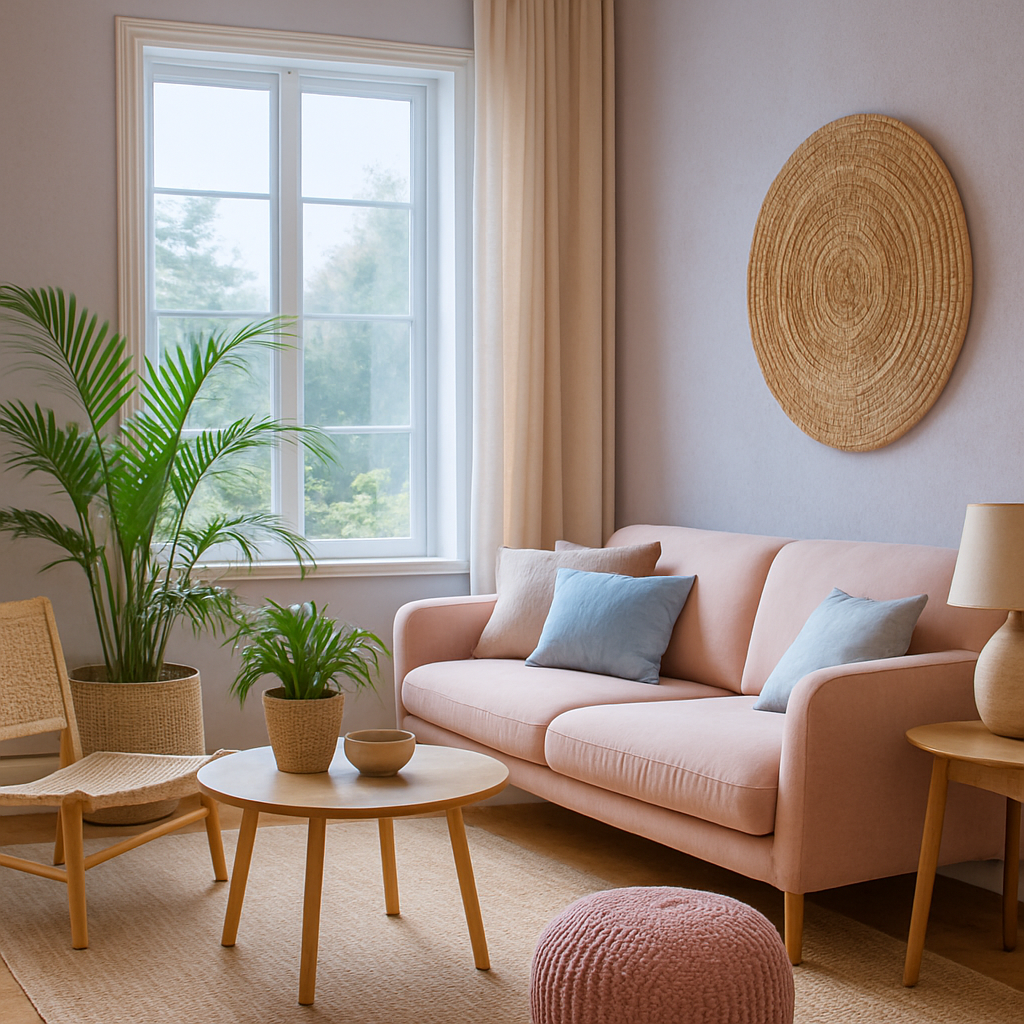
As we move into 2024, the world of interior design is poised for exciting transformations. According to the American Society of Interior Designers (ASID), well-designed spaces not only enhance everyday living but can also increase property values by 5-15%. This potential return on investment is prompting both designers and homeowners to pay closer attention to emerging trends. From the integration of smart technologies to the embrace of sustainable materials, the future of interior design is all about blending form with function. In this article, we'll explore six key trends that are set to redefine interiors in the upcoming year, ensuring that designers stay ahead of the curve.
Embracing Biophilic Design
Biophilic design is a trend that continues to gain traction as more people seek to reconnect with nature. This approach incorporates elements like natural materials, living walls, and an indoor-outdoor flow, which can significantly enhance the well-being of occupants. Studies have shown that incorporating nature into design can reduce stress and increase productivity. For instance, a report from the International Journal of Environmental Research and Public Health found that natural light and greenery can improve mental health and cognitive function.
As an interior designer, consider integrating biophilic elements in your projects by using materials like wood, stone, and natural fibers. Living walls or vertical gardens are another popular feature that can bring life and vibrancy to indoor spaces. Are you ready to explore how these elements can transform a client's home? Imagine a serene living room where a lush green wall becomes the focal point, or a bathroom that feels like a spa retreat with its use of natural materials.
Moreover, biophilic design is not just about aesthetics; it's about fostering a deeper connection between the occupants and their environment. This trend aligns perfectly with the growing demand for sustainable living, making it a crucial consideration for any forward-thinking designer. As we transition to the next section, think about how biophilic elements can complement other design trends in your projects.
Quiet Luxury and Understated Elegance
The quest for quiet luxury and understated elegance is reshaping interiors in 2024. This trend is characterized by a focus on quality, craftsmanship, and subtle sophistication. The aim is to create spaces that feel luxurious without being ostentatious. According to Houzz's annual survey, homeowners are increasingly drawn to designs that exude warmth and simplicity, yet offer the richness of premium materials and finishes.
Quiet luxury is about choosing timeless pieces over trendy ones, often incorporating high-quality fabrics, handcrafted furniture, and neutral color palettes. For instance, consider a living room adorned with a plush cashmere throw, a statement piece of artwork, and a classic mid-century modern sofa. These elements together create an environment that whispers elegance rather than shouting it. Have you noticed a shift in your clients' preferences towards more restrained aesthetics?
This trend also emphasizes the importance of personal touches and curated collections that reflect the homeowner's personality. Collectible art, vintage finds, and bespoke furniture are all excellent ways to infuse quiet luxury into a space. As we delve into the next section, we'll explore strategies for effectively incorporating these elements into your designs.
Integrating Smart Home Technologies
Smart home integration is no longer a futuristic concept; it's an essential part of modern interior design. As technology becomes more advanced, designers are incorporating smart lighting, climate control, and automated window treatments to create cohesive and efficient living spaces. According to a recent study by Statista, the smart home market is expected to reach $53 billion by 2024, highlighting the growing demand for intelligent solutions.
For designers, this means collaborating with technology experts to seamlessly integrate these systems into the design process. Smart lighting, for example, allows for customizable mood settings that can enhance the ambiance of any room. Imagine a dining area where the lights automatically dim during dinner parties, or a bedroom where the curtains close in sync with the setting sun. Are you prepared to guide your clients through the maze of smart home options available today?
The integration of technology doesn't stop at lighting; climate control systems that learn user preferences and automated blinds that adjust for optimal light are becoming standard in luxury homes. As we move to the next section, consider how these smart technologies can be used not only for convenience but also to enhance the overall aesthetic and functionality of a space.
Sustainable and Reclaimed Materials
Sustainability is a key driver in the design industry, with an increasing number of clients prioritizing eco-friendly options. Using sustainable and reclaimed materials is one way designers can meet this demand while also creating unique and personalized interiors. The NCIDQ (National Council for Interior Design Qualification) emphasizes the importance of sustainable practices in its certification exams, underscoring the industry's commitment to this trend.
Materials such as reclaimed wood, recycled metal, and eco-friendly fabrics not only reduce environmental impact but also add character and history to a space. Picture a kitchen island made from reclaimed barn wood or a dining table crafted from recycled aluminum. These elements tell a story and provide a tactile connection to the past. Have you considered how you can incorporate these sustainable elements into your designs?
Moreover, the use of sustainable materials is often linked with the rising popularity of the Japandi style-a fusion of Japanese minimalism and Scandinavian warmth. This style emphasizes simplicity, functionality, and nature-inspired elements, making it a perfect match for sustainable design. As we proceed to the next section, think about how you can blend sustainability with other design trends to create cohesive and impactful interiors.
Adopting AR/VR Room Visualization Tools
Augmented reality (AR) and virtual reality (VR) are revolutionizing the way designers and clients visualize spaces. These technologies offer immersive experiences that allow clients to see and interact with a proposed design before it's built. Platforms like Houzz and Instagram are increasingly integrating AR/VR features, enabling designers to showcase their visions in a compelling and interactive manner.
AR/VR tools provide a unique advantage in the design process, offering clients the ability to "walk through" a space and make real-time changes. This can significantly enhance client satisfaction and reduce costly errors. For example, a client can virtually experience a new kitchen layout, experimenting with different cabinetry styles or countertop materials without any physical commitment. How could these tools transform the way you present your ideas to clients?
Experienced professionals often note that these technologies not only improve client engagement but also streamline the decision-making process. By visualizing the end result, clients can make more informed choices, leading to better outcomes and happier customers. As we wrap up, consider how incorporating AR/VR into your practice could set you apart in a competitive market.
Final Perspectives on 2024 Trends
As we look ahead to 2024, it's clear that the future of interior design is about more than just aesthetics; it's about creating spaces that are functional, sustainable, and technologically advanced. These trends reflect a broader shift towards conscious living, where design decisions are made with consideration for both the environment and the well-being of the occupants.
Embracing these trends not only positions you as a forward-thinking designer but also enhances your ability to deliver spaces that resonate with clients' values and lifestyles. Whether it's through biophilic design, smart home integration, or the use of sustainable materials, the opportunities to innovate are endless. How might you incorporate these trends into your next project to create spaces that are both beautiful and meaningful?
As we conclude, remember that staying informed and adaptable is key to thriving in the ever-evolving world of interior design.
Conclusion
In summary, the future of interior design in 2024 promises to be dynamic and transformative. By embracing trends like biophilic design, quiet luxury, smart home technologies, sustainable materials, and AR/VR visualization tools, designers can create spaces that are not only visually stunning but also functional and sustainable. As you embark on your next project, consider how these trends can inspire new ideas and elevate your designs.
Start by browsing portfolios on Houzz this week-even 20 minutes of research will sharpen your eye for what you want. By staying ahead of these trends, you'll be well-equipped to meet the evolving needs of your clients while contributing to a more sustainable and innovative future in interior design.



Comments
Post a Comment