The Future of Interior Design: Exploring Virtual Solutions and Online Tools
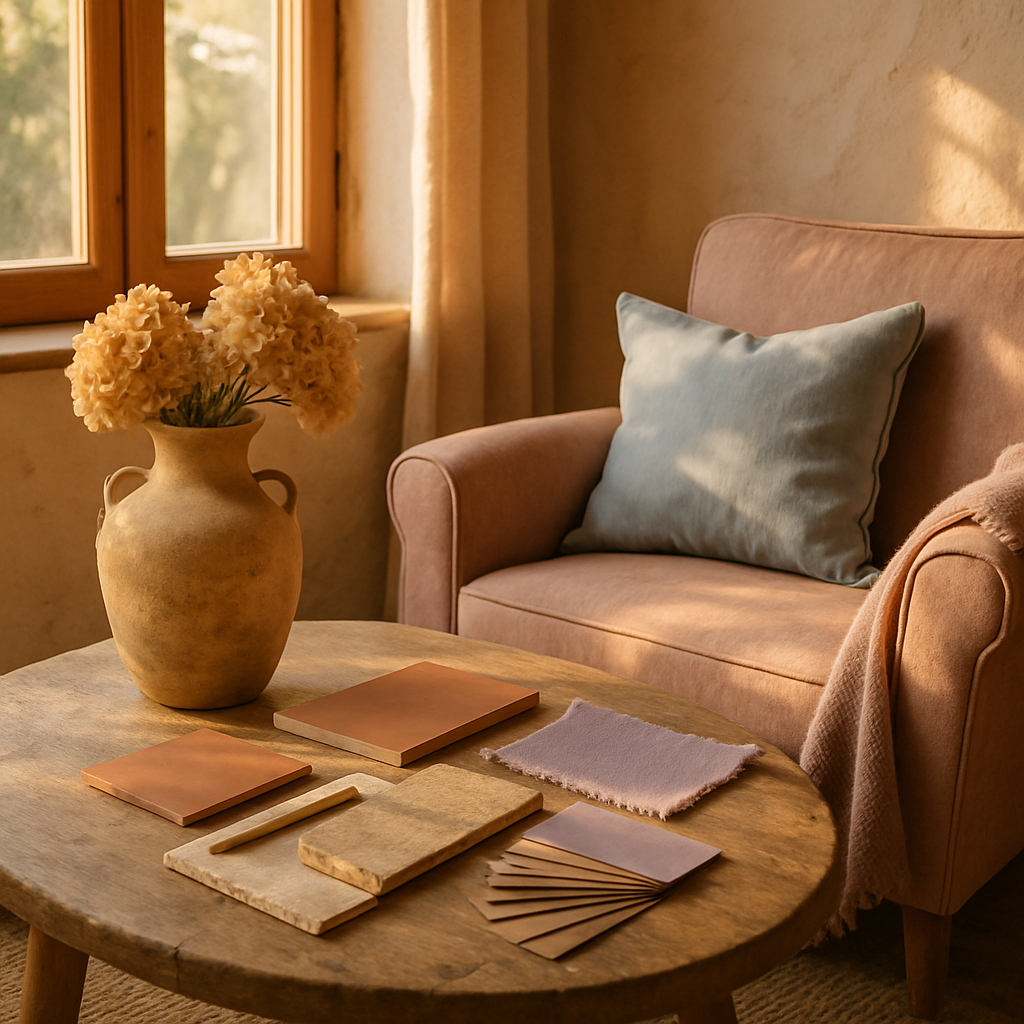
Imagine transforming your living room into a modern sanctuary with just a few clicks. According to a recent Houzz survey, over 40% of homeowners are now embracing digital tools to re-envision their spaces. This shift signifies the dawn of a new era in interior design, where technology meets creativity in groundbreaking ways. In this article, we will explore how virtual solutions and online tools are reshaping the future of interior design. We will delve into foundational concepts, analyze current data, provide actionable strategies, and offer expert-level insights to equip you for your design journey. Whether you're a seasoned designer or a homeowner ready to rejuvenate your space, understanding these tools can unlock a world of possibilities.
Understanding Virtual Design Tools
Virtual design tools are revolutionizing the way interior design projects are conceptualized and executed. These tools allow designers and homeowners to create detailed and accurate three-dimensional models of their spaces. Platforms like SketchUp and AutoCAD have long been staples in the industry, but newer applications, such as RoomSketcher and Planner 5D, offer user-friendly interfaces that make design accessible to everyone. The ability to visualize a room in 3D before making physical changes helps to eliminate costly mistakes and ensures that the end result aligns with expectations.
Furthermore, augmented reality (AR) and virtual reality (VR) technologies are becoming increasingly prevalent. AR allows users to overlay digital objects in their real-world environment, offering a preview of how new furniture or decor might look in a space. Meanwhile, VR creates immersive, walkable experiences of designed spaces, providing a comprehensive view that traditional blueprints cannot. These technologies are particularly useful for clients who struggle to visualize spatial layouts and finishes.
In addition to visualization, virtual tools streamline the design process. Many applications now integrate with project management software, enabling seamless collaboration between designers, contractors, and clients. This integration ensures that everyone involved in the project is on the same page, reducing the risk of miscommunication and project delays. As we explore deeper into this subject, consider how these tools could redefine your approach to interior design.
The Impact of Data-Driven Design
Data-driven design is a concept that leverages analytics and data insights to drive decisions in interior design projects. According to a report by ASID, 60% of designers are now using data to inform their design choices, from selecting color palettes to choosing sustainable materials. This shift towards data-centric design is not only enhancing aesthetic outcomes but also improving functionality and sustainability.
One practical application of data-driven design is in the optimization of space usage. By analyzing how occupants move and interact within a room, designers can create layouts that enhance efficiency and comfort. For instance, data might reveal that an open floor plan with designated areas for dining, relaxation, and work could significantly enhance the livability of a home. This approach is particularly valuable for urban apartments where every square foot counts.
Moreover, data can help predict design trends and consumer preferences. Platforms like Pinterest and Instagram provide valuable insights into popular styles and emerging trends. Designers can analyze engagement metrics to understand what resonates with audiences and adapt their projects accordingly. As we move forward, think about how data could inform your future design decisions and help you stay ahead of trends.
Implementing Actionable Strategies
To effectively incorporate virtual solutions into your interior design process, start by exploring various platforms to find the right fit for your project needs. Consider subscribing to Houzz Pro or joining the AD PRO network, both of which offer access to a wealth of resources and design tools. These platforms provide inspiration, professional advice, and networking opportunities that can elevate your design game.
Once you've selected your tools, take the time to familiarize yourself with their features. Many platforms offer tutorials and online courses that can enhance your proficiency and confidence. Experienced professionals often note that the initial learning curve is worth the investment, as mastering these tools can significantly streamline your workflow and improve project outcomes. Have you considered setting aside time each week to build your skills and explore new functionalities within these tools?
As you begin implementing these strategies, remember to involve your clients in the process. Use VR and AR tools during client presentations to provide them with immersive experiences of their potential new spaces. This not only enhances client satisfaction but also strengthens your professional relationship by fostering transparency and engagement. In the next section, we will delve deeper into expert insights and industry trends that are shaping the future of interior design.
Expert Insights and Industry Trends
In the ever-evolving landscape of interior design, staying informed about current trends and expert insights is essential. One significant trend is the increased focus on biophilic design, which integrates natural elements into interior spaces to enhance well-being. This trend is supported by research from the IIDA, which suggests that biophilic design can improve mood and productivity, making it a valuable consideration for both residential and commercial projects.
Another trend gaining traction is the concept of "quiet luxury," characterized by understated elegance and high-quality materials. This approach emphasizes timelessness and sophistication, appealing to clients seeking a refined aesthetic. The integration of smart home technology is another area where designers are focusing their efforts. Incorporating automated lighting, climate control, and window treatments can enhance both the functionality and appeal of a space.
Experienced professionals often highlight the importance of sustainable practices in design. The use of reclaimed materials and energy-efficient solutions is not only environmentally friendly but also cost-effective in the long run. As sustainability continues to be a priority for consumers, designers who prioritize these practices will likely see increased demand for their services. As we explore additional depths of this topic, consider how these trends could influence your design projects.
Enhancing Your Design Practice
To further enhance your design practice, consider pursuing professional credentials such as the NCIDQ (National Council for Interior Design Qualification) or joining organizations like ASID. These credentials demonstrate your commitment to the industry and can open doors to new opportunities and collaborations. Additionally, staying connected with local AIA chapters can provide valuable insights into architectural trends and innovations.
Networking with other professionals is another effective way to stay updated on industry trends and advancements. Platforms like LinkedIn and design forums offer opportunities to connect with peers, share ideas, and gain inspiration. Have you explored these platforms to expand your professional network and gain new perspectives on design challenges?
Finally, continuous education is crucial in an industry that is constantly evolving. Many designers find attending workshops, webinars, and conferences to be beneficial in staying abreast of the latest tools and techniques. By investing in your professional development, you can ensure that your design practice remains competitive and innovative. As we conclude our exploration, let's consider the broader implications of these advancements in interior design.
Final Perspectives on Virtual Design Solutions
The adoption of virtual solutions and online tools in interior design is more than a trend-it's a transformation. As these technologies continue to develop, they offer unprecedented opportunities to enhance creativity and efficiency in design projects. Whether you're leveraging data-driven insights or exploring new visualization tools, the potential to elevate your work is immense.
As you integrate these solutions into your practice, remain open to experimentation and innovation. The flexibility and adaptability afforded by virtual tools empower designers to push boundaries and redefine what is possible in interior spaces. What new ideas might you explore with these tools at your disposal? The journey toward embracing this digital transformation is both exciting and rewarding, offering endless possibilities for those willing to innovate.
Conclusion: Your Next Steps in Embracing Virtual Design
In conclusion, the future of interior design is undeniably intertwined with virtual solutions and online tools that facilitate creative exploration and project execution. As these technologies become more accessible and integrated into the design process, they offer invaluable support to both professionals and homeowners. By understanding and applying these tools, you can enhance your design practice, improve client satisfaction, and stay ahead of industry trends.
Your next step is to explore platforms like Houzz and AD PRO to begin your digital design journey. Start by browsing portfolios and experimenting with virtual tools. Even dedicating 20 minutes a day to research and practice can significantly sharpen your skills and broaden your design capabilities. Embrace this digital evolution, and discover the exciting potential it holds for your future projects.



Comments
Post a Comment