The Future of Interior Design: Embracing AI for Stunning Home Makeovers
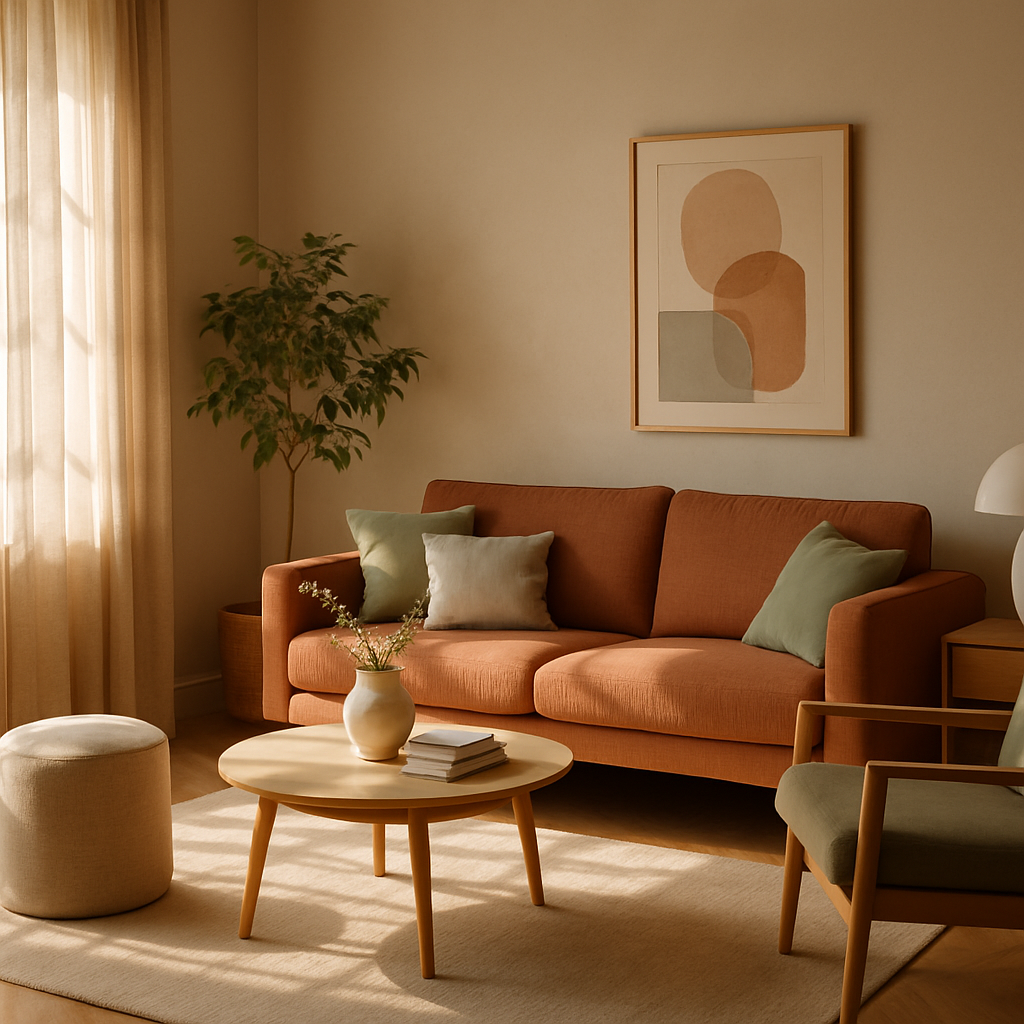
Imagine walking into a perfectly designed room, where every color, texture, and piece of furniture reflects your personality and lifestyle. This isn't a distant dream-it's a reality made possible by the integration of artificial intelligence (AI) in interior design. According to a recent survey by Houzz, over 30% of homeowners are now inclined to use AI tools in their design projects. This burgeoning trend is transforming how we visualize and execute home makeovers. In this article, we will explore the foundational concepts of AI in interior design, delve into data-driven insights, outline actionable strategies, and provide expert-level details for those ready to embrace this technological evolution. By the end, you'll understand how AI can redefine your living space. Are you ready to modernize your home?
The Role of AI in Interior Design
Artificial intelligence is no longer a futuristic concept; it is a tangible tool reshaping industries, including interior design. At its core, AI in interior design involves using algorithms and data analysis to create spaces that are both aesthetically pleasing and functional. AI tools can analyze patterns, color schemes, and spatial arrangements to suggest design options that cater to individual preferences. For instance, platforms like Modsy use AI to generate 3D renderings of rooms, allowing clients to visualize different design scenarios before committing to any changes.
One of the most significant advantages of AI is its ability to personalize designs at a large scale. By analyzing user data, AI can customize recommendations based on lifestyle, budget, and aesthetic preferences. This level of personalization was previously only attainable through bespoke interior design services, often at a high cost. Now, AI democratizes access to tailored design solutions, making professional-grade interiors accessible to more people.
Moreover, AI helps streamline the design process by automating repetitive tasks. This efficiency allows designers to focus on creativity and client interaction rather than mundane details. As a result, the design process becomes more efficient, often reducing the timeline from concept development to final installation. This transformation sets the stage for deeper exploration into how AI is utilized in design, which we'll uncover next.
Data-Driven Insights Transforming Spaces
Embracing AI in interior design means leveraging data like never before. According to research from the American Society of Interior Designers (ASID), data analytics is becoming a cornerstone in design decision-making processes. AI tools analyze vast amounts of data from design trends, consumer preferences, and even real estate market analytics to create spaces that are not only beautiful but also valuable. For instance, by integrating resale value data, AI can suggest design elements that enhance the financial value of a home, offering homeowners a potential return on investment.
Consider the trend of biophilic design, which emphasizes natural elements and outdoor connections. AI can assess a home's environment and suggest adding features like living walls or natural light optimization to improve both aesthetics and well-being. The NCIDQ (National Council for Interior Design Qualification) supports this idea, highlighting how data-driven design decisions can significantly impact mental health and productivity.
Furthermore, AI-driven platforms gather feedback continuously, refining their algorithms to predict future design trends. This predictive capability is invaluable, allowing designers and homeowners to stay ahead of the curve. Understanding these insights can help you make informed decisions about your home's design, which we will discuss in actionable strategies next.
Actionable Strategies for AI-Integrated Design
Integrating AI into your home makeover requires a strategic approach. Start by identifying the areas of your home that would benefit most from a redesign. AI tools like Planner 5D and Roomstyler are excellent for visualizing changes and providing virtual tours of potential designs. These platforms allow you to experiment with different layouts and styles, helping you make data-informed decisions without the commitment of physical changes.
Next, consider incorporating smart home technology for a seamless integration of style and functionality. Smart lighting, automated window treatments, and climate control systems can be synchronized with your design aesthetics to create a cohesive and comfortable living environment. Experienced professionals often note that such integrations not only enhance the user experience but can also increase energy efficiency, ultimately saving costs in the long run.
It's also essential to work with certified professionals who understand AI's capabilities in design. Hiring a designer with NCIDQ or ASID credentials ensures you're collaborating with someone who can effectively leverage AI tools while adhering to industry standards. This expertise helps navigate the complexities of design technology and ensures your project is both innovative and practical. As you explore these strategies, we'll dive into expert-level details that can set your home apart.
Expert-Level Details for AI-Driven Design
For those seeking to push the boundaries of design, AI offers unparalleled opportunities to experiment with cutting-edge concepts. One emerging trend is the use of augmented reality (AR) and virtual reality (VR) in the design process. These technologies allow clients to virtually walk through their redesigned spaces before any physical changes occur. Companies like Houzz have introduced AR features to their platforms, enabling users to visualize furniture and decor items in real-time within their homes.
Additionally, AI can facilitate sustainable design choices by providing insights into eco-friendly materials and energy-efficient products. The International Interior Design Association (IIDA) emphasizes the importance of sustainability in modern design practices. AI can recommend recycled or reclaimed materials that align with the growing trend of environmental consciousness in interior design.
Moreover, AI can enhance collaboration between designers and clients. Through data sharing and interactive platforms, clients can communicate their preferences more clearly, resulting in a design that truly reflects their vision. This collaborative approach is becoming a hallmark of successful design projects, as it ensures all stakeholders are aligned. As we move forward, let's explore additional dimensions that AI brings to the table.
Additional Depth in AI-Enhanced Design
Diving deeper into AI's role in interior design reveals its capacity for ongoing innovation. AI's ability to learn and evolve means that it continually improves its design suggestions. This adaptability is crucial in an industry where trends can change rapidly. For example, AI can track emerging styles such as Japandi-an aesthetic blend of Japanese minimalism and Scandinavian warmth-and incorporate these elements into design proposals seamlessly.
Moreover, AI platforms are becoming more intuitive, allowing them to cater to a broader audience. As these tools advance, they offer more sophisticated features that can accommodate complex design needs, such as integrating historical architectural styles with modern conveniences. This versatility makes AI a powerful tool for designers who want to create spaces that are both timeless and cutting-edge.
Finally, AI's integration into design education is shaping the next generation of interior designers. Institutions are incorporating AI training into their curricula, ensuring that future designers are equipped with the skills to harness these technologies effectively. This educational shift promises to elevate the standards of design practice across the industry. With this foundation, let's conclude with a comprehensive overview and call to action.
Final Perspectives on AI and Interior Design
As we reflect on the integration of AI in interior design, it's clear that this technology is not just a trend but a transformative force. By blending data, creativity, and personalization, AI empowers designers and homeowners to create truly remarkable spaces. The potential for AI-enhanced design is vast, offering solutions that are as innovative as they are practical.
However, embracing AI requires a mindset shift. It challenges traditional design processes, urging professionals and clients alike to think beyond conventional boundaries. The future of interior design is one where AI acts as a partner in creativity, not a replacement for human touch. This partnership promises to redefine how we experience and interact with our living spaces.
Conclusion: Embrace AI for Your Next Home Makeover
In summary, AI is revolutionizing interior design by making personalized, efficient, and sustainable home makeovers more accessible than ever. From data-driven insights to cutting-edge visualization tools, AI opens up a world of possibilities for creating stunning spaces. If you're ready to transform your home, begin by exploring AI-driven platforms like Houzz and Modsy to visualize your dream design. Start by browsing portfolios on these platforms this week; even 20 minutes of research will sharpen your eye for what you want. Embrace this technology today and watch as your space evolves into a masterpiece of design and innovation.


Comments
Post a Comment