The Future of Home Styling: AI-Powered Interior Design Trends
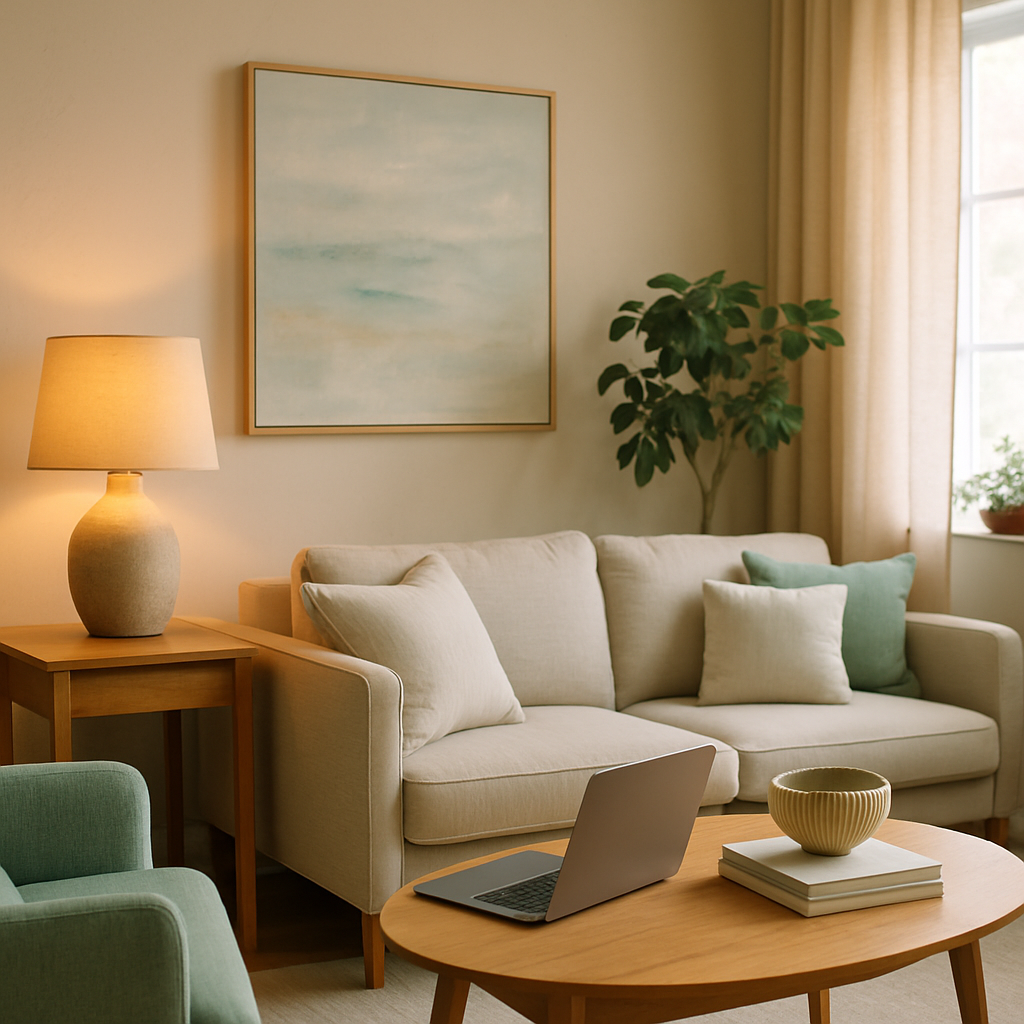
Imagine a world where your home design is not only aesthetically pleasing but also smartly tailored to your lifestyle needs. In 2024, this vision is becoming a reality as AI-powered interior design trends transform the way we approach home styling. According to a recent survey by the American Society of Interior Designers (ASID), 60% of designers are already integrating artificial intelligence into their workflow, enhancing design creativity and efficiency. This article will explore foundational concepts of AI in interior design, provide a deeper analysis with data, offer actionable strategies for incorporating AI, delve into expert insights, and highlight additional depth in this rapidly evolving field.
Understanding AI-Powered Interior Design
Artificial intelligence is no longer a futuristic concept confined to science fiction. In interior design, AI tools are redefining how spaces are conceptualized, planned, and executed. AI's ability to analyze vast amounts of data enables designers to create spaces that are not only visually appealing but also functionally optimized. For instance, AI algorithms can assess room dimensions, lighting, and furniture placement to suggest optimal layouts that enhance usability and aesthetics.
One key aspect of AI in interior design is its capacity for personalization. By utilizing data from users' preferences and behaviors, AI can tailor design elements to fit individual lifestyles. This approach goes beyond traditional design paradigms, allowing for a level of customization that was previously unattainable. The technology can suggest color palettes, furniture styles, and even art pieces that resonate with the homeowner's unique taste.
Moreover, AI-powered tools often include features such as augmented reality (AR) and virtual reality (VR), allowing users to visualize exactly how their rooms will look once designed. This technology not only aids in decision-making but also reduces the likelihood of costly mistakes. As we delve deeper, consider how AI could revolutionize the way you envision your living space.
The Data Behind AI Integration in Design
AI integration in interior design is supported by compelling data that highlights its growing influence. According to a Houzz annual survey, 45% of homeowners expressed interest in using AI tools for future renovation projects. This interest is driven by the efficiency and accuracy these tools offer, streamlining the design process significantly.
Furthermore, the International Interior Design Association (IIDA) reports that AI-driven design can reduce project timelines by up to 30%. This reduction is primarily due to AI's ability to automate repetitive tasks, such as drafting layouts and generating design options, freeing up designers to focus on creativity and client engagement. By minimizing manual workload, AI allows for a more seamless and enjoyable design experience.
However, it's not just about efficiency. AI is also enhancing design quality. A study from NCIDQ (National Council for Interior Design Qualification) reveals that AI-assisted designs often result in higher client satisfaction, with 70% of projects receiving above-average ratings. As we move forward, these data points underscore the transformative potential of AI in interior design.
Actionable Strategies for Incorporating AI
Are you ready to embrace AI in your home styling projects? Start by exploring AI-powered platforms like Planner 5D and RoomSketcher, which offer user-friendly interfaces and robust design capabilities. These tools can help you create detailed floor plans and 3D visualizations, providing a clearer picture of your design ideas before implementation.
Another strategy is to collaborate with designers who are proficient in AI technologies. Experienced professionals often note that working with an AI-savvy designer can enhance the outcome of a project by integrating innovative solutions that respect both budget and aesthetic goals. When selecting a designer, inquire about their experience with AI and request examples of past projects that utilized these tools.
Lastly, consider investing in smart home technology to complement your AI-driven design. Smart lighting systems, climate controls, and automated window treatments can be seamlessly integrated into your overall design, enhancing functionality and comfort. Embracing these strategies will not only modernize your living space but also future-proof your home.
Expert Insights on AI's Role in Design
Industry experts agree that AI is a game-changer for interior design, offering unprecedented possibilities for creativity and customization. According to Architectural Digest's AD PRO network, many top designers are leveraging AI to push the boundaries of traditional design, creating spaces that are as intelligent as they are beautiful.
AI's role extends beyond aesthetics, impacting sustainability efforts within design. By analyzing materials and energy consumption, AI can suggest sustainable alternatives that align with eco-friendly design principles. This capability is particularly relevant in 2024 as sustainability becomes a primary focus for many homeowners and designers.
Moreover, AI is enhancing collaboration between designers and clients. With tools that facilitate real-time feedback and adjustments, clients can be more involved in the design process, ensuring the final product truly reflects their vision. As we continue to explore AI's potential, its role in fostering innovative and sustainable design practices cannot be overstated.
Exploring Additional Depth in AI Design
As AI continues to evolve, it opens up new avenues for design exploration. One such area is the integration of biophilic design principles, which emphasize natural materials and connections to nature. AI can assist in selecting materials that enhance indoor-outdoor flow and promote wellness through harmonious design.
Another emerging trend is the incorporation of AI in creating "quiet luxury" spaces. This trend focuses on understated elegance, prioritizing quality and subtle sophistication over ostentation. AI tools can identify elements that contribute to this aesthetic, ensuring a cohesive and refined look.
For those interested in cutting-edge technology, AI's use of AR/VR tools offers a glimpse into the future of design visualization. These tools can simulate various design scenarios, helping homeowners make informed decisions about layout, color schemes, and furnishings. As we look ahead, the potential for AI to redefine home styling is limitless.
Final Perspectives on AI-Powered Design
Considering the rapid advancements in AI technology, it's clear that the future of home styling lies in its integration into interior design. As homeowners and designers become more familiar with AI's capabilities, we can expect to see even more innovative applications that enhance living spaces.
What does this mean for you? Whether you're planning a small room update or a full home renovation, incorporating AI tools can streamline the process and elevate your design. By staying informed about these trends, you can make strategic choices that align with your vision and lifestyle.
Conclusion: Embrace the AI Revolution in Home Design
In summary, AI-powered interior design trends for today offer exciting opportunities to revolutionize the way we approach home styling. From enhancing efficiency and personalization to fostering sustainability and innovation, AI is set to become an integral part of the design landscape. As you embark on your next design project, consider how AI can enhance your vision and bring your ideas to life.
Start by browsing portfolios on Houzz and other platforms this week - even 20 minutes of research will sharpen your eye for what you want. Embrace the AI revolution in design and transform your living space into a future-ready haven that reflects your unique style.



Comments
Post a Comment