The Art of Retail Interior Design: Creating Experiences that Sell
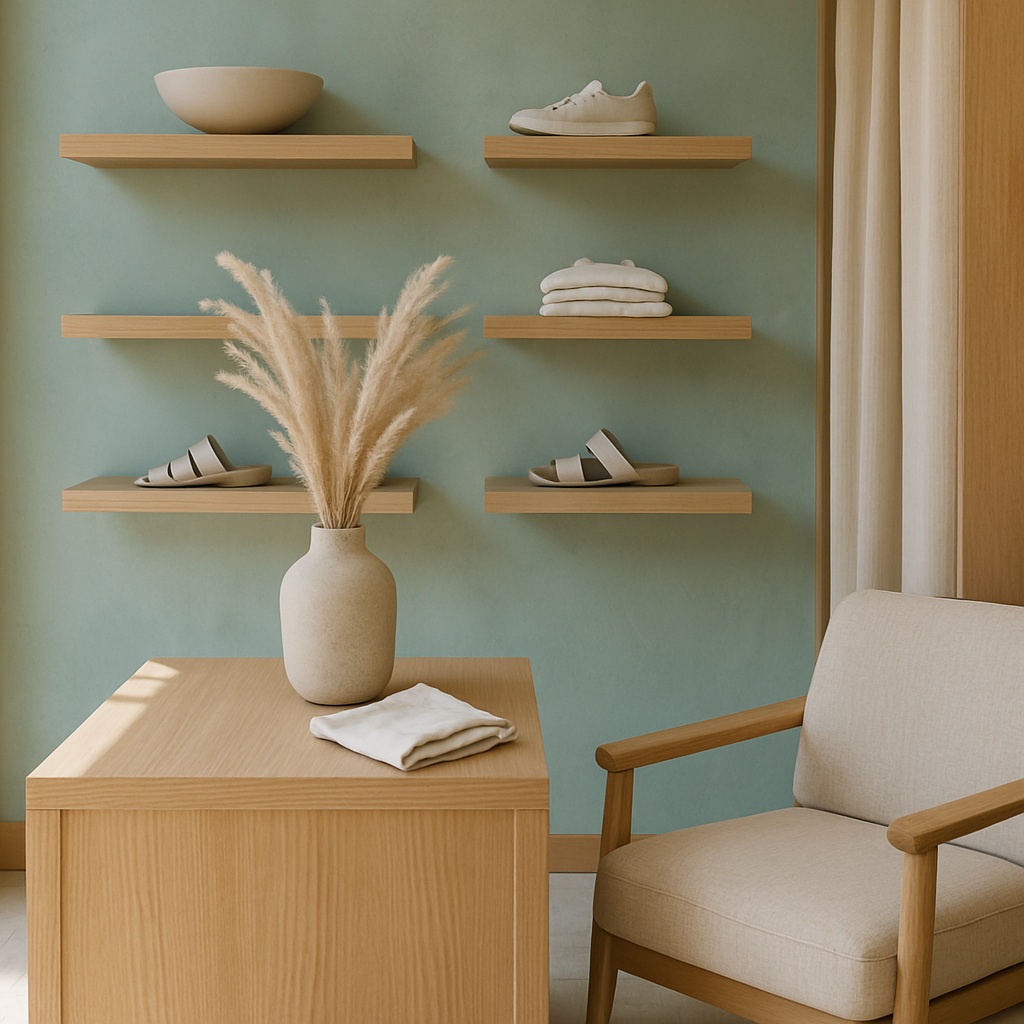
Did you know that a well-designed retail space can increase customer dwell time by up to 40%? This statistic from the American Institute of Architects (AIA) underscores the transformative power of retail interior design. In today's competitive market, the art of retail interior design goes beyond aesthetics; it's about crafting experiences that captivate customers and drive sales. This comprehensive guide explores key principles, presents data-backed insights, and provides expert strategies to optimize your retail environment. By understanding the nuances of retail design, you can create spaces that not only attract but also convert visitors into loyal customers.
Understanding the Foundations of Retail Interior Design
At its core, retail interior design is about creating a space that aligns with a brand's identity while enhancing the shopping experience. The foundation of effective retail design lies in understanding your target audience and crafting a space that speaks to their needs and desires. For instance, a store targeting millennials might incorporate technology and sustainability, while a luxury brand might focus on elegance and exclusivity. The International Interior Design Association (IIDA) stresses the importance of aligning design with brand values to ensure coherence across all customer touchpoints.
Lighting plays a crucial role in setting the mood and highlighting products. According to the American Society of Interior Designers (ASID), strategic lighting can increase product visibility by 30%, influencing purchasing decisions. Retail environments often use a combination of ambient, task, and accent lighting to create layers of interest and direct customer flow. When executed effectively, lighting can guide customers through the store, drawing attention to key products and promotional displays.
Another foundational aspect is the layout, which should be intuitive and encourage exploration. Retailers often employ grid, loop, or free-flow layouts, each serving a different purpose. A grid layout, commonly used in grocery stores, maximizes shelf space and guides customers along a set path. In contrast, a free-flow layout, often seen in boutiques, invites customers to wander and discover at their own pace. The choice of layout significantly impacts customer behavior and the overall shopping experience.
Analyzing the Impact of Design on Retail Success with Data
Data-driven insights reveal that retail interior design is a powerful driver of sales and customer satisfaction. According to a survey by Houzz, 70% of respondents reported increased customer satisfaction after redesigning their retail space. This correlation between design and customer experience cannot be overstated. By examining foot traffic patterns and sales data, retailers can identify areas that require design intervention to boost performance.
Moreover, well-designed stores can enhance brand loyalty. Research from the National Council for Interior Design Qualification (NCIDQ) indicates that customers are more likely to return to a store they find aesthetically pleasing and easy to navigate. This finding is particularly relevant for brands seeking to differentiate themselves in a crowded market. By investing in design, retailers can create memorable experiences that foster long-term customer relationships.
In addition to aesthetics, functionality is a critical component of retail success. A thoughtfully designed space considers the practicality of product displays and customer flow. For example, strategically placed checkout counters can reduce wait times and prevent congestion. By analyzing customer interactions with the space, retailers can make informed design decisions that optimize both the customer journey and operational efficiency.
Implementing Actionable Strategies to Enhance Retail Spaces
To elevate your retail environment, consider implementing strategies that combine aesthetics with functionality. Start by conducting a thorough analysis of your existing space. Identify areas with high foot traffic and consider repositioning displays to maximize exposure. Experienced professionals often note that the entrance zone, or "decompression zone," is crucial for making a strong first impression. Use this space to introduce new collections or highlight bestsellers.
Incorporating technology can also enhance the shopping experience. Smart home integration, such as automated lighting and climate control, can create a comfortable environment that encourages customers to linger. Additionally, augmented reality (AR) tools allow customers to visualize products in their homes, bridging the gap between online and offline shopping. These innovations not only attract tech-savvy consumers but also streamline the decision-making process.
Another strategy is to leverage biophilic design elements, which bring nature into the retail environment. This approach, which includes natural materials, living walls, and indoor-outdoor flow, has been shown to reduce stress and increase dwell time. By creating a calming atmosphere, retailers can enhance the overall shopping experience and encourage repeat visits. How might incorporating these elements transform your space?
Expert-Level Insights on Retail Design Trends
Staying ahead of design trends is essential for maintaining a competitive edge. Current trends like Japandi, a blend of Japanese minimalism and Scandinavian warmth, emphasize simplicity and functionality. This style is particularly effective in creating inviting and uncluttered spaces that appeal to modern consumers. By adopting elements of Japandi, retailers can offer a serene shopping experience that stands out in a busy retail landscape.
Sustainability is another trend gaining traction in retail design. Consumers are increasingly drawn to brands that prioritize environmental responsibility. Incorporating sustainable and reclaimed materials not only reduces environmental impact but also resonates with eco-conscious shoppers. For instance, using recycled wood for shelving or energy-efficient lighting can convey a brand's commitment to sustainability. How might these materials align with your brand's values?
Lastly, the concept of quiet luxury, characterized by understated elegance and high-quality materials, is making waves in the retail sector. This trend focuses on creating an atmosphere of exclusivity and sophistication without ostentation. By integrating elements of quiet luxury, retailers can attract discerning customers seeking unique and refined products. The challenge lies in balancing simplicity with sophistication to deliver an exceptional retail experience.
Additional Depth: The Role of Professional Interior Designers
Engaging a certified interior designer can make a significant difference in the success of a retail project. Designers with NCIDQ certification have demonstrated expertise in creating functional and aesthetically pleasing environments. Their knowledge of industry standards and best practices ensures that every aspect of the design process is meticulously executed, from concept development to installation.
Working with a professional also provides access to a network of resources and suppliers. Designers often have established relationships with furniture manufacturers, lighting experts, and contractors, which can streamline the procurement process. This network can result in cost savings and ensure that high-quality materials are used throughout the project. Are you considering hiring a professional to elevate your retail space?
Furthermore, professional designers can offer valuable insights into the latest trends and technologies. By staying informed about industry advancements, they can incorporate cutting-edge elements into your design, keeping your store fresh and relevant. Whether it's integrating AR tools or adopting sustainable practices, a designer's expertise can guide you through the complexities of modern retail design.
Final Perspectives on Retail Interior Design
The art of retail interior design is a dynamic and multifaceted discipline that requires a thoughtful approach to creating spaces that captivate and convert. By aligning design with brand values and customer preferences, retailers can create environments that enhance the shopping experience and drive sales. The insights provided in this guide offer a foundation for understanding and implementing effective retail design strategies.
As you reflect on the role of design in your retail space, consider how each element contributes to the overall customer journey. From the strategic use of lighting to the incorporation of technology and biophilic elements, every decision plays a part in shaping the retail experience. Remember, the goal is not just to attract customers, but to create an environment that encourages them to stay, explore, and ultimately, purchase.
Conclusion: Taking the Next Steps in Retail Design
In conclusion, the art of retail interior design combines creativity, strategy, and data-driven insights to create spaces that resonate with customers and enhance sales. By understanding foundational concepts, analyzing design impacts, and implementing actionable strategies, you can transform your retail environment into an experience that sells. As you embark on this journey, consider seeking the expertise of a certified interior designer to guide you through the process.
Start by browsing designer portfolios on platforms like Houzz or the ASID directory this week. Even dedicating 20 minutes to research can sharpen your eye for what you want in your space. As you gather inspiration, remember that every design decision is an opportunity to create a memorable and impactful retail experience. What will your customers remember about your store?



Comments
Post a Comment