The Art of Luxury: Essential Elements for Stunning Interior Design
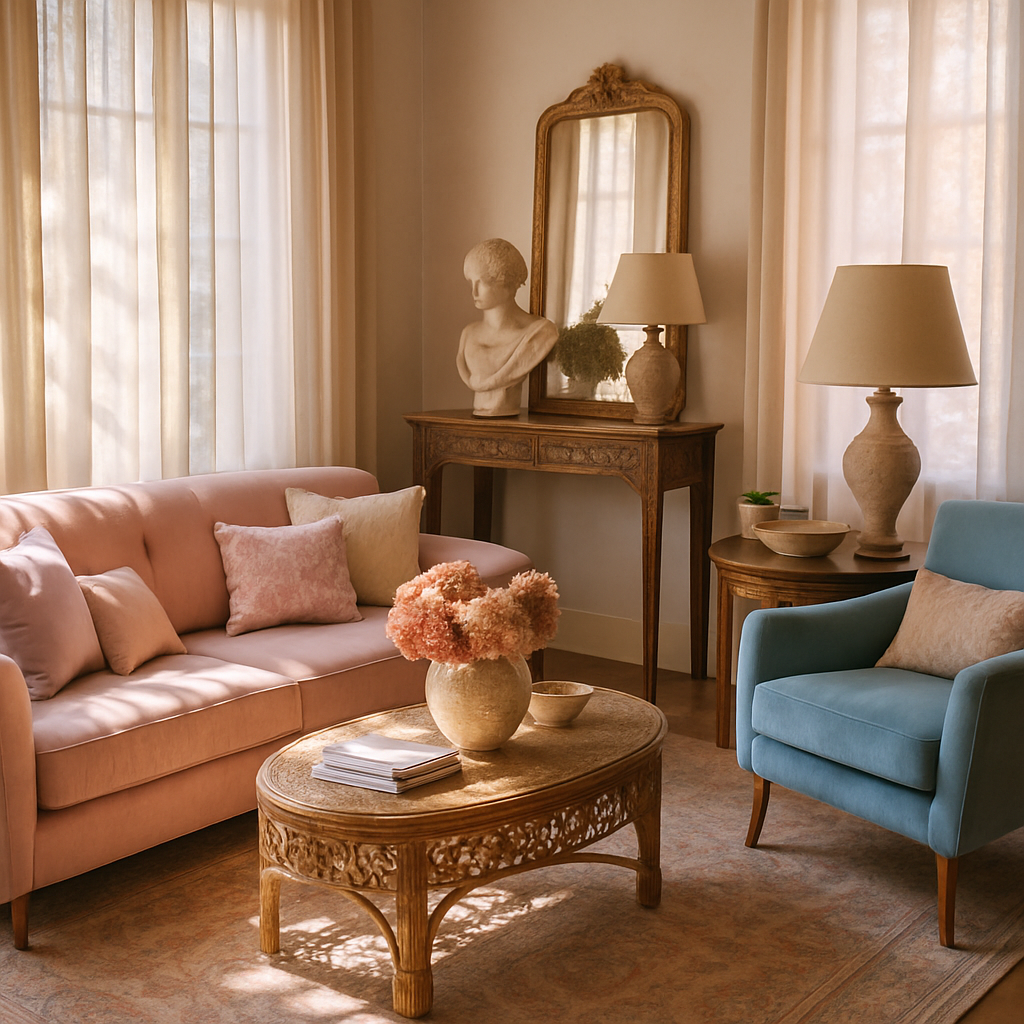
The allure of luxury interior design lies in its ability to transform spaces into sanctuaries of elegance and comfort. Have you ever walked into a room and felt immediately at ease, surrounded by both beauty and functionality? According to a report by the American Society of Interior Designers (ASID), well-designed interiors can increase a home's resale value by 5-15%, making luxury design not just an aesthetic choice, but a smart investment. In this article, we delve into the essential elements that constitute stunning interior design. From foundational concepts and data-driven insights to actionable strategies and expert-level details, you'll gain a comprehensive understanding of how to elevate any space into a luxury haven.
Foundational Concepts of Luxury Interior Design
Luxury interior design begins with a clear understanding of the core principles that define elegance and sophistication. At its heart, luxury design emphasizes quality materials, meticulous craftsmanship, and attention to detail. These elements combine to create spaces that are not only visually stunning but also enduring in their appeal. One foundational concept is the use of high-quality materials such as marble, hardwood, and fine textiles. These materials not only enhance the visual appeal but also contribute to the longevity and durability of the design.
Another key principle is the emphasis on symmetry and balance. Symmetry in design creates a sense of order and harmony that is pleasing to the eye. This can be achieved through the thoughtful arrangement of furniture and decor elements that mirror each other. For instance, placing matching lamps on either side of a sofa or using pairs of chairs to frame a fireplace can enhance the feeling of symmetry. Balance, on the other hand, involves the distribution of visual weight within a space, ensuring that no single element overwhelms the rest.
Finally, the principle of personalization is crucial in luxury interior design. While trends may influence design choices, the most stunning interiors are those that reflect the personality and lifestyle of their inhabitants. This can be accomplished through bespoke furniture, personalized art collections, or custom finishes. Personalization ensures that the space is not only luxurious but also uniquely yours. As we transition to deeper analysis, it's important to consider how these foundational concepts are supported by data and trends in the industry.
Data-Driven Insights into Luxury Design
To gain a deeper understanding of luxury interior design, it's imperative to examine the data and trends shaping the industry. According to Houzz's annual survey, homeowners are increasingly willing to invest in quality design, with 34% of respondents planning to spend over $25,000 on their next renovation project. This willingness to invest highlights the growing recognition of the value that well-designed spaces bring to everyday living.
The integration of technology is another trend that is redefining luxury design. Smart home features, such as automated lighting and climate control, are becoming standard in luxury spaces. These technologies not only enhance convenience but also contribute to the overall ambiance of a home. For example, smart lighting systems can be programmed to adjust according to the time of day, creating a seamless transition from day to night.
Additionally, sustainability is playing an increasingly important role in luxury design. Homeowners are opting for sustainable and reclaimed materials, driven by both environmental concerns and the unique character these materials offer. The International Interior Design Association (IIDA) notes that biophilic design-incorporating natural elements like living walls and indoor-outdoor flow-is a growing trend. As we explore actionable strategies next, consider how these insights can guide your own design projects.
Actionable Strategies for Achieving a Luxury Look
Translating the principles and data of luxury interior design into your own home can seem daunting, but with a few actionable strategies, it becomes an achievable goal. Start by mapping out how you use each room in your home. For instance, where do you relax after a long day? Where do your children do their homework? Understanding these patterns helps in creating spaces that are both functional and luxurious.
Next, focus on decluttering and curating your space. Luxury design thrives on the principle of 'less is more.' By removing unnecessary items and focusing on a few high-quality pieces, you can achieve a more sophisticated look. Consider investing in statement furniture or artwork that serves as a focal point. This approach not only enhances aesthetics but also creates a sense of calm and order.
Lighting is another critical element in luxury design. Layered lighting-combining ambient, task, and accent lighting-can transform a space dramatically. For example, a chandelier can add elegance to a dining room, while task lighting over kitchen counters provides both functionality and style. As we transition into expert-level details, think about how these strategies can be tailored to reflect your personal taste and lifestyle.
Expert-Level Details for Stunning Interiors
Experienced professionals often note that the secret to stunning interior design lies in the details. One such detail is the use of textures to add depth and interest to a space. Mixing materials like velvet, leather, and silk can create a rich, tactile environment. For example, a velvet sofa paired with a leather ottoman and silk drapes adds layers of complexity and luxury.
Another expert tip is to pay attention to scale and proportion. Furniture and decor should be in harmony with the size of the room. Oversized furniture in a small room can feel overwhelming, while too-small pieces in a large space can appear lost. When selecting furniture, consider both the size of the room and the scale of existing pieces to maintain balance.
Finally, color palettes play a significant role in luxury design. Neutral tones with pops of color can create a sophisticated look. Consider using a base of whites, grays, or beiges, and introduce color through accessories or accent walls. This strategy allows you to update the look easily over time. Transitioning to additional depth, these expert details can be further refined to enhance your space.
Additional Depth: Integrating Personal Touches
While foundational principles and expert strategies form the backbone of luxury design, personal touches are what truly make a space stand out. Incorporating elements that reflect your personal history or interests can add warmth and character to your home. For example, displaying a collection of travel mementos or family heirlooms can create a unique narrative within your space.
Art selection is another avenue to express individuality. Whether you prefer contemporary pieces or classic works, art can serve as a powerful statement in your interior design. Choose pieces that resonate with you personally, and consider how they interact with the overall color scheme and style of the room. Art placement is key; it should enhance rather than overwhelm the space.
Finally, consider the aromas and sounds within your home. Scented candles or essential oil diffusers can enhance the ambiance, while a curated playlist can set the mood for different occasions. These sensory details contribute to a holistic luxury experience. As we conclude, remember that personal touches are integral to creating stunning and meaningful interiors.
Final Perspectives on Luxury Interior Design
As we've explored, the art of luxury interior design is a harmonious blend of foundational concepts, data-driven insights, actionable strategies, and personal touches. It's about creating spaces that are not only visually stunning but also deeply personal and functional. The integration of modern technology and sustainable practices further enhances the appeal and relevance of luxury design in today's world.
Have you considered how these elements might fit into your own home? Whether you're planning a complete redesign or simply looking to refresh a single room, the principles and strategies discussed here provide a solid foundation. Remember, the ultimate goal is to create a space that reflects your style and meets your needs.
Luxury interior design is an evolving art, influenced by trends and personal preferences. As you embark on your design journey, keep these insights in mind to create spaces that are both beautiful and enduring. Our conclusion will guide you on the next steps to take in your design process.
Conclusion: Taking the Next Step in Your Design Journey
In summary, luxury interior design is about more than just aesthetics; it's about creating a space that enhances your lifestyle and adds value to your home. By understanding the foundational concepts, leveraging data-driven insights, and incorporating personal touches, you can transform any space into a stunning interior.
So, what's your next step? Start by browsing designer portfolios on platforms like Houzz or Instagram. Even 20 minutes of research can sharpen your eye for what you truly want in your space. Consider reaching out to certified interior designers, such as those credentialed by the NCIDQ (National Council for Interior Design Qualification), to bring your vision to life.
Remember, the art of luxury design is a journey, one that evolves with your tastes and lifestyle. Embrace the process and enjoy the transformation. Here's to creating stunning interiors that you and your family will love for years to come.



Comments
Post a Comment