The Art of Interior Architecture: Blending Functionality with Aesthetic Appeal
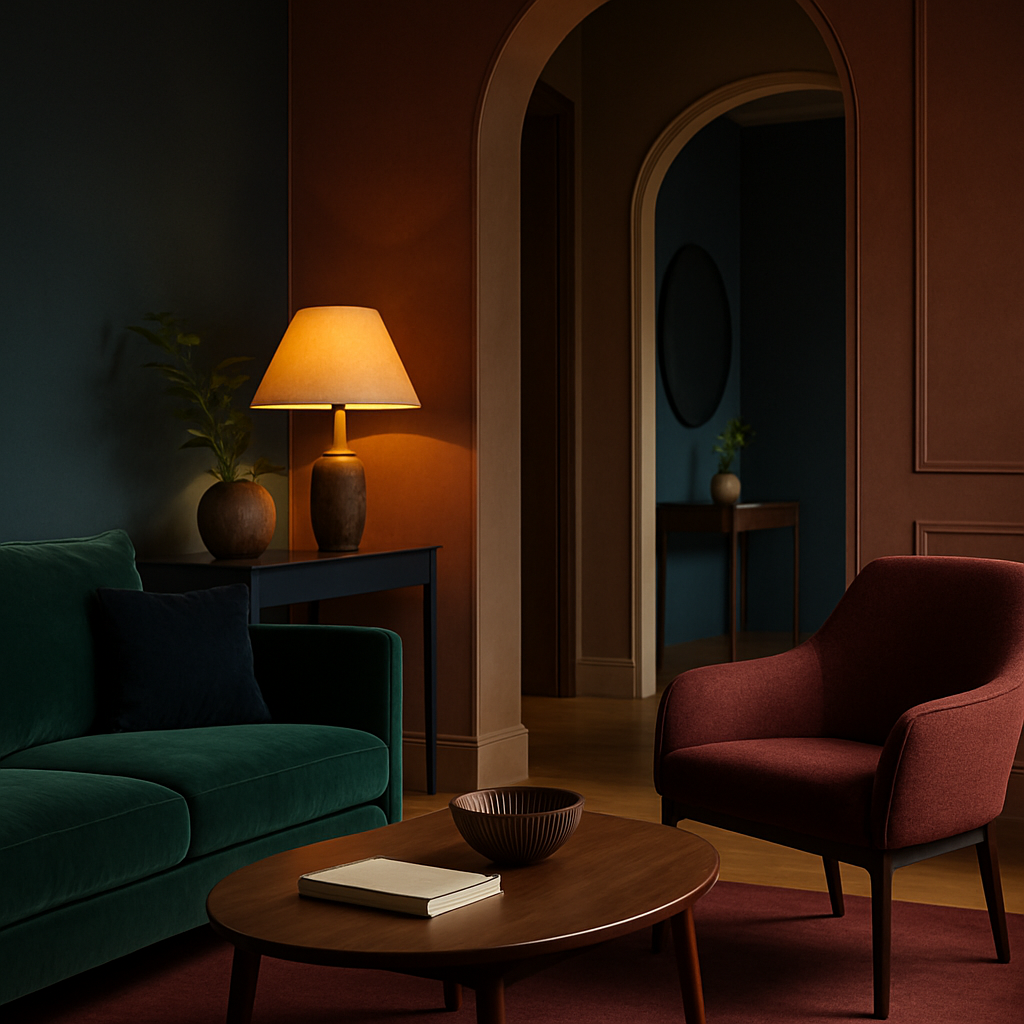
Imagine stepping into a space that feels as though it was crafted just for you-where every piece of furniture and every color on the wall serves a purpose and evokes emotion. This is the art of interior architecture, a discipline that goes beyond mere decoration to fuse functionality with aesthetic appeal. As homeowners increasingly value spaces that are both beautiful and practical, mastering this art is becoming crucial. We'll explore core concepts, delve into data that underscores its importance, and offer actionable strategies for bringing it into your home. Whether you're a homeowner embarking on a redesign or a design enthusiast, this guide will provide the insights you need.
Understanding the Foundations of Interior Architecture
The essence of interior architecture lies in its dual focus: enhancing how spaces function while ensuring they are visually pleasing. At its core, it is about creating environments that cater to the practical needs of those who use them while reflecting their personalities and tastes. This approach requires a blend of technical skills and artistic vision, where the arrangement of space, light, and materials come together harmoniously. Interior architects often work with structural elements, such as walls and floors, to optimize flow and functionality.
An essential component of interior architecture is understanding spatial dynamics. This involves analyzing how people move within a space and how it can be optimized for both efficiency and comfort. For example, in a kitchen renovation, this might involve restructuring the layout to improve workflow efficiency, ensuring that the cook has easy access to all necessary tools and ingredients. The goal is not just to make spaces look good but to make them work effectively for those using them.
Moreover, the choice of materials plays a significant role in interior architecture. Materials must be selected not only for their aesthetic qualities but also for their durability and suitability for the intended use of the space. For instance, choosing hardwood floors for high-traffic areas can enhance the room's aesthetic appeal while providing long-lasting durability. As we delve deeper, you'll see how these foundational elements are crucial in achieving a balanced design.
The Role of Data in Interior Architectural Design
Data plays a pivotal role in informing interior architecture. According to the annual Houzz survey, homeowners who invest in well-designed interiors often see a return of 5-15% in their property's resale value. This statistic highlights the tangible benefits of thoughtful design. Understanding these metrics can help you make informed decisions about where to allocate your budget for maximum impact. It also underscores the importance of seeing interior architecture as a long-term investment rather than a mere expense.
Furthermore, industry surveys suggest that 85% of homeowners report greater satisfaction with their living spaces after a redesign that focuses on both form and function. This data point is crucial for those considering whether to undertake a renovation. When interior architecture is approached thoughtfully, it can significantly enhance your quality of life, making your home a more enjoyable and efficient place to live. It's about crafting spaces that support the way you live and work.
The use of technology, such as AR/VR room visualization tools, is becoming increasingly prevalent. Designers use these tools to provide clients with a virtual preview of the proposed changes, allowing them to make adjustments before any physical changes are made. This not only saves time and money but also ensures that the final design aligns with the client's vision and needs. In the next section, we will explore actionable strategies to implement these insights into your own projects.
Actionable Strategies for Blending Functionality with Aesthetic Appeal
To successfully blend functionality with aesthetic appeal, start by assessing the primary uses of each space. Map out how you actually use each room-where you drop your keys, where the kids do homework, where you collapse at the end of the day. This practical assessment serves as the foundation for any design decisions. Once you have a clear understanding of the functional requirements, you can begin to integrate aesthetic elements that enhance the space's use.
Consider employing the principles of biophilic design, which emphasizes the use of natural materials and indoor-outdoor flow. Incorporating elements like living walls or natural stone can create a calming environment that still meets practical needs. Experienced professionals often note that these elements not only beautify a space but also improve mental well-being and productivity. How might introducing natural elements transform your own living spaces?
Lighting is another crucial aspect. Smart home integration allows for automated lighting systems that adjust to the time of day, enhancing both the function and mood of a room. Consider how lighting affects the ambiance and utility of your spaces. For instance, task lighting can make kitchen prep areas more functional, while ambient lighting can create a cozy atmosphere in a living room. As you plan your design, remember that each element should serve both a functional and an aesthetic purpose.
Expert Insights: What the Professionals Recommend
Certified interior designers, such as those holding NCIDQ (National Council for Interior Design Qualification) credentials, emphasize the importance of a holistic approach to design. They recommend starting with a comprehensive concept development phase that considers all aspects-from spatial layout to color schemes-before moving into design presentation and procurement. This thorough planning stage is essential for ensuring that all elements work together cohesively.
Professionals also stress the importance of staying updated with current design trends. According to the IIDA (International Interior Design Association), trends like Japandi-a blend of Japanese minimalism and Scandinavian warmth-are gaining popularity. These trends can inform your design choices, ensuring that your spaces feel both contemporary and timeless. How might integrating such trends enhance your home's character?
Furthermore, expert designers often utilize platforms like Pinterest and Houzz to gather visual inspiration and track emerging trends. These resources not only provide aesthetic ideas but also offer practical advice on implementing them. As you explore these platforms, consider how different elements can be adapted to fit your own style and needs. Next, we'll dive into additional layers of detail to enrich your understanding.
Additional Depth: Navigating Budget and Fees
Budgeting is a critical component of any interior architecture project. Understanding the fee structures commonly used in the industry can help you plan effectively. Designers might charge a flat fee, an hourly rate that ranges from $150 to $500, or a percentage of the total project cost, typically between 10-25%. These fees often include procurement markups on furniture, which can impact overall costs. Being clear on pricing structures upfront can prevent unexpected expenses down the line.
When planning a budget, consider the potential increase in your property's value. As mentioned earlier, well-designed interiors can add 5-15% to your home's resale price. This potential return on investment can justify a more substantial upfront expenditure. However, it's essential to balance investment with practicality, ensuring that your design choices align with both your budget and your lifestyle.
Additionally, phasing a project can be a wise financial strategy. Breaking the project into stages-concept development, design presentation, procurement, installation, and styling-allows for better budget management. You can prioritize critical areas first and make incremental improvements over time. This phased approach ensures that each stage is thoroughly planned and executed, reducing the risk of costly mistakes. As we wrap up, let's consider the broader implications of these strategies.
Final Perspectives on Interior Architecture
Interior architecture is more than just a design discipline; it's a reflection of how we live and interact with our environments. By prioritizing both functionality and aesthetic appeal, you create spaces that not only meet your practical needs but also enhance your overall quality of life. The integration of design and function is an ongoing process, requiring regular reevaluation and adaptation as your lifestyle evolves. How will you ensure your home continues to serve its purpose as your needs change?
By understanding foundational concepts, leveraging data, and employing expert strategies, you can transform any space into one that truly reflects your personal style and functional requirements. Whether you're embarking on a full-home redesign or simply refreshing a single room, the principles of interior architecture can guide you toward more thoughtful and effective design choices. As we conclude, consider the transformative power of these insights in your own design journey.
Conclusion: Taking the Next Step in Your Design Journey
The art of interior architecture lies in its ability to transform spaces into functional, aesthetically pleasing environments that enhance the way we live. By blending functionality with aesthetic appeal, you can create a home that not only reflects your personal style but also adapts to your everyday needs. Start by browsing portfolios on Houzz or Pinterest this week, even 20 minutes of research will sharpen your eye for what you want. Consider consulting with an NCIDQ-certified designer to explore how professional insights can further refine your vision.
Are you ready to embark on your own design project? Remember to incorporate the strategies and insights discussed here as you plan and execute your vision. By doing so, you'll not only enhance the beauty and functionality of your home but also create a space that resonates with your lifestyle and values.



Comments
Post a Comment