The Allure of Art Deco: A Comprehensive Guide to Iconic Interior Design Styles
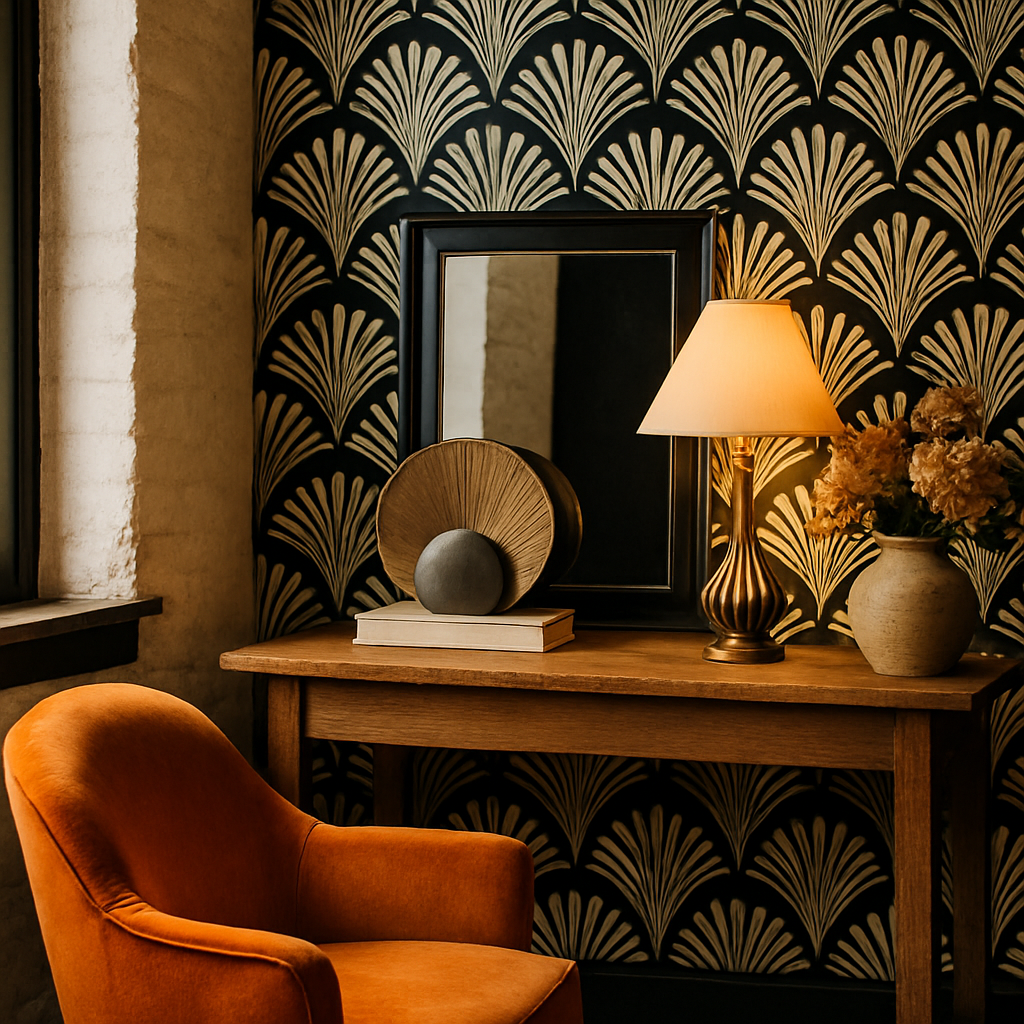
Have you ever walked into a room and felt instantly transported to an era of glamour and sophistication? That's the magic of Art Deco. Emerging in the 1920s, this interior design style is renowned for its bold geometry, luxurious materials, and vibrant colors. According to the American Institute of Architects (AIA), Art Deco's popularity surged during the Interwar period, and today, it continues to captivate homeowners and designers alike. In this guide, we'll delve into the foundational elements of Art Deco, analyze its enduring appeal, and provide actionable strategies for incorporating this iconic style into your own home. Whether you're a seasoned designer or a homeowner with a passion for aesthetics, understanding Art Deco will enrich your design perspective.
Understanding the Foundations of Art Deco
Art Deco, short for Arts Décoratifs, originated in France in the early 20th century and quickly became a global phenomenon. It was a response to the austerity of World War I, offering a bold, opulent alternative that celebrated progress and modernity. This style is characterized by its use of geometric shapes, symmetry, and a mix of traditional craftsmanship with modern materials. According to the International Interior Design Association (IIDA), these elements make Art Deco both visually striking and timeless.
One of the key features of Art Deco is its emphasis on luxury and glamour. This is often achieved through the use of exotic materials such as ebony, ivory, and marble, alongside metals like chrome and brass. The National Council for Interior Design Qualification (NCIDQ) highlights the importance of craftsmanship in Art Deco design, with intricate inlays and polished finishes that are both tactile and visually appealing. This meticulous attention to detail is what sets Art Deco apart from other styles.
Color also plays a significant role in Art Deco design. Rich, bold colors like deep blues, greens, and yellows are often paired with black and metallic accents to create a dramatic effect. Experienced professionals often note that these color schemes not only add depth and dimension to a space but also evoke the decadence of the Jazz Age. As we explore further, consider how these foundational elements might transform your living space into a statement of elegance and style.
The Enduring Appeal and Influence of Art Deco
Why does Art Deco continue to resonate nearly a century after its inception? According to a recent survey by Houzz, a leading platform for home remodeling and design, many homeowners are drawn to Art Deco for its timeless elegance and ability to adapt to modern aesthetics. The style's emphasis on bold yet harmonious design elements allows it to blend seamlessly with contemporary trends, such as the current fascination with biophilic design and sustainable materials.
Data from Architectural Digest's AD PRO network suggests that well-designed Art Deco interiors can increase property values by 5-15%, a testament to their lasting appeal. This statistic underscores the economic value of investing in high-quality, stylish decor. Art Deco's luxurious materials and distinctive features not only enhance the visual appeal of a home but also offer a substantial return on investment, especially in competitive real estate markets.
Moreover, Art Deco's influence extends beyond residential interiors. Its motifs have been incorporated into various aspects of design, including fashion, architecture, and even technology. This cross-disciplinary appeal highlights the style's versatility and enduring relevance. As we proceed to actionable strategies, consider how incorporating Art Deco elements could enhance both the aesthetic and financial value of your space.
Actionable Strategies for Incorporating Art Deco
Are you considering integrating Art Deco elements into your home? Begin by assessing your current space and identifying areas where bold, geometric patterns could make a statement. For instance, consider introducing a statement piece of furniture with sleek lines and glossy finishes, such as a lacquered sideboard or a velvet-upholstered chair with brass accents. These items can serve as focal points that anchor the room's overall design.
Lighting is another crucial element in Art Deco design. Opt for fixtures that feature angular shapes or intricate detailing, such as a chandelier with crystal prisms or a table lamp with a stepped base. These pieces not only illuminate the space but also contribute to the overall aesthetic. According to the American Society of Interior Designers (ASID), lighting can dramatically alter the mood and function of a room, making it an essential consideration in any design project.
Textures and materials also play a pivotal role. Incorporate a variety of materials, such as polished wood, mirrored surfaces, and metallic accents, to create a layered, luxurious feel. Don't shy away from bold patterns and textures, like zebra print or chevron, which are quintessentially Art Deco. As you implement these strategies, keep in mind the balance between opulence and functionality, ensuring that each element serves a purpose while contributing to the overall design narrative.
Expert Insights on Mastering Art Deco
Experienced professionals often emphasize the importance of scale and proportion in Art Deco design. This involves carefully balancing large, dramatic elements with more subtle, understated pieces to avoid overwhelming the space. For example, a grand Art Deco mirror with an intricate frame can be balanced with simpler, streamlined furniture to maintain harmony and cohesion in the room.
Another expert tip is to embrace symmetry. Art Deco interiors often feature symmetrical layouts that provide a sense of order and elegance. Whether it's arranging furniture symmetrically around a central focal point or using matching pairs of accessories, symmetry helps to reinforce the structured, formal aesthetic that defines this style. The American Institute of Architects (AIA) notes that symmetry not only enhances visual appeal but also creates a calming, organized environment.
Finally, consider how modern technology can enhance your Art Deco design. The use of smart home devices, such as automated lighting and climate control, can seamlessly integrate with the style's emphasis on innovation and luxury. Tools like AR/VR room visualization can also aid in the design process, allowing you to experiment with different layouts and elements before committing to a final design. As you continue exploring these expert insights, think about how they can be applied to your space to create a cohesive and captivating Art Deco interior.
Expanding Your Art Deco Knowledge
For those intrigued by Art Deco, further exploration into its historical context and cultural significance can provide deeper insights. The 1920s and 1930s were a time of significant social and technological change, and Art Deco was a reflection of that era's optimism and innovation. By understanding the historical backdrop, you can appreciate how the style's elements fit into the broader narrative of design history.
Learning from past masters of the style can also be beneficial. Designers like Émile-Jacques Ruhlmann and Jean-Michel Frank set the standard for Art Deco interiors, and studying their work can inspire your own projects. These pioneers were known for their exquisite craftsmanship and ability to blend functionality with form, traits that remain relevant today.
Additionally, engaging with current Art Deco revival movements can offer fresh perspectives. Many contemporary designers are reinterpreting the classic elements of Art Deco to suit modern tastes, incorporating sustainable materials and minimalist sensibilities. As you continue your journey, consider how a blend of historical and contemporary influences can shape your unique interpretation of this iconic style.
Final Perspectives on Art Deco Interiors
As you've seen, the allure of Art Deco lies in its ability to transform spaces into expressions of elegance and sophistication. This style's blend of bold geometry, luxurious materials, and vibrant colors offers endless possibilities for creativity and personalization. Whether you're planning a complete redesign or simply looking to infuse a touch of glamour into your home, Art Deco provides a rich tapestry of inspiration.
As you consider your own space, ask yourself: How can Art Deco elements enhance my home's aesthetic and functionality? Reflecting on this question can guide you in making design choices that are both beautiful and practical. Remember, the key to successful Art Deco design is balance-between opulence and restraint, tradition and innovation.
Ultimately, the timeless appeal of Art Deco is its ability to transcend trends and remain relevant in today's design landscape. By embracing its principles, you can create interiors that are not only visually stunning but also deeply personal and meaningful. In the conclusion, we'll explore how to take the next steps in your Art Deco journey.
Conclusion: Bringing Art Deco into Your Home
In summary, Art Deco is more than just a design style; it's a celebration of luxury, innovation, and artistry. By integrating its key elements-geometric patterns, rich colors, and opulent materials-you can create a space that is both elegant and functional. Consider starting with small changes, like adding a statement piece of furniture or updating your lighting fixtures, and gradually build from there.
Are you ready to embark on your Art Deco journey? Start by browsing designer portfolios on platforms like Houzz and Instagram to gather inspiration and identify elements that resonate with you. Even 20 minutes of research can sharpen your eye for what you want. As you explore, remember that the most successful designs are those that reflect your personal style and meet your practical needs.
By embracing the timeless elegance of Art Deco, you can transform your home into a space that is both a tribute to the past and a testament to your unique vision. Happy designing!



Comments
Post a Comment