Sustainable Interior Design Ideas: How to Go Green in Your Home Decor
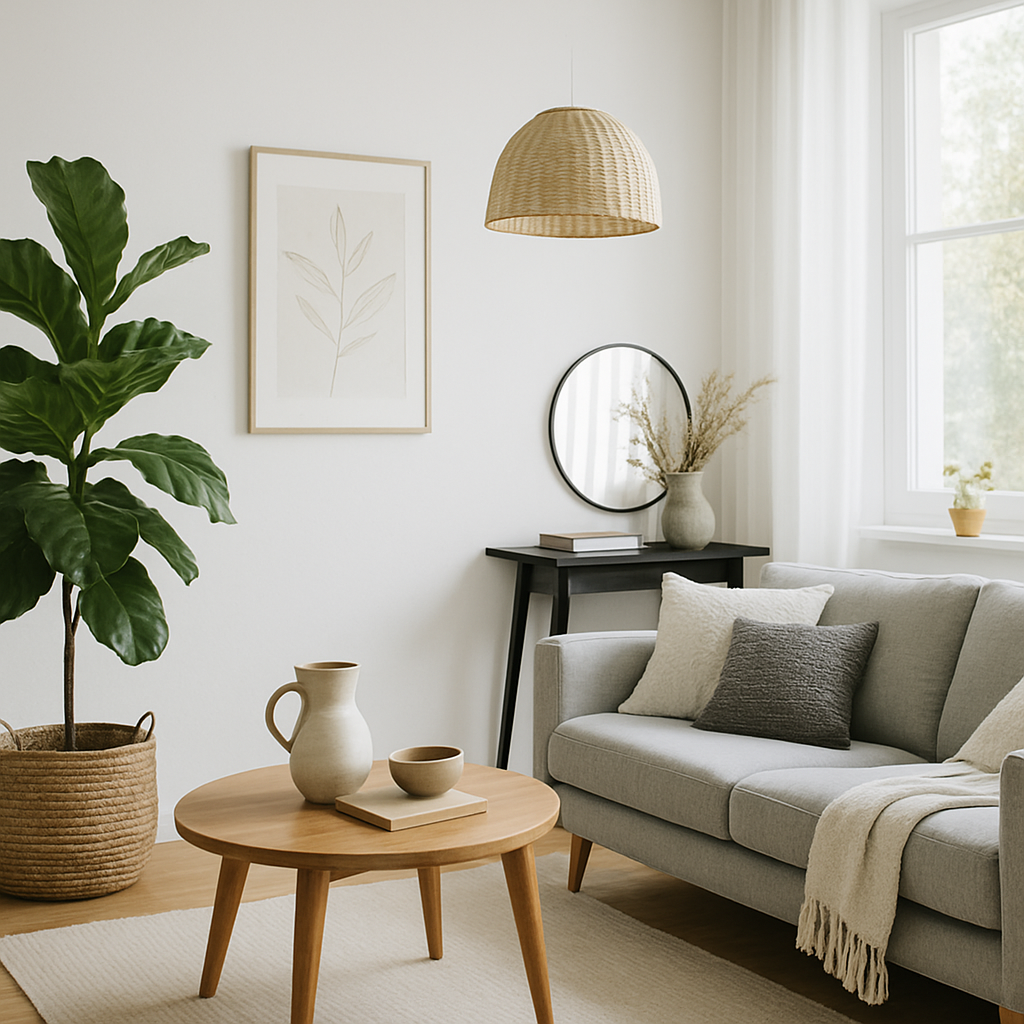
Imagine walking into a living room that not only exudes elegance but also embodies sustainability. According to a recent survey by Houzz, over 58% of homeowners are prioritizing eco-friendly materials in their renovation projects. As more individuals recognize the impact of their choices on the environment, the demand for sustainable interior design is burgeoning. This article will explore foundational concepts of sustainable design, delve into data-driven insights, and offer actionable strategies for greening your home decor. From expert-level details to additional depths of sustainable practices, you'll gain a comprehensive understanding of how to implement these changes in your space.
The Foundations of Sustainable Interior Design
Sustainable interior design is more than a trend; it's a commitment to creating spaces that respect the environment while maintaining functionality and aesthetics. At its core, sustainable design focuses on reducing negative environmental impacts through mindful material selection and energy-efficient practices. This approach often incorporates biophilic design principles, which emphasize the use of natural materials and the connection between indoor and outdoor environments. Experts from the American Society of Interior Designers (ASID) suggest that incorporating elements like natural light, plants, and materials such as bamboo or reclaimed wood can significantly enhance the eco-friendliness of a space.
Furthermore, the concept of sustainability in interior design extends to the lifecycle of the materials used. Choosing durable and timeless pieces that can withstand trends not only contributes to sustainability but also adds value to your home. The National Council for Interior Design Qualification (NCIDQ) stresses the importance of selecting materials that are both sustainable and long-lasting. This includes opting for furniture and decor items made from recycled or upcycled materials, which conserves resources and reduces waste.
Understanding these foundational concepts is crucial for anyone looking to embark on a green home decor journey. Have you considered how the materials in your home affect the environment? By prioritizing sustainable choices, you can create a home that is both beautiful and environmentally responsible. As we move forward, we'll examine data that underscores the importance of sustainable design choices.
Sustainable Design: A Data-Driven Perspective
Industry data provides a compelling case for sustainable interior design. A report from the International Interior Design Association (IIDA) highlights that buildings with sustainable design elements can lead to a 5-15% increase in property resale value. This statistic underscores the financial benefits of eco-friendly design choices, making it an attractive option for homeowners looking to invest in their properties.
Moreover, energy efficiency plays a significant role in sustainable design. According to the U.S. Department of Energy, integrating energy-efficient lighting and appliances can reduce a household's energy consumption by up to 30%. This not only lowers utility bills but also decreases the overall carbon footprint of a home. Incorporating smart home technology, such as automated lighting and climate control, further enhances energy efficiency and contributes to a sustainable living environment.
These data points illustrate the tangible benefits of incorporating sustainable elements into your home decor. Are you maximizing the potential of your living space to be both eco-friendly and cost-effective? In the next section, we will explore actionable strategies to implement these sustainable principles in your home.
Actionable Strategies for Green Home Decor
Implementing sustainable interior design doesn't have to be daunting. Begin by assessing your current space and identifying areas for improvement. Start small by switching to energy-efficient LED lighting and low-flow plumbing fixtures to conserve water. These simple changes can significantly reduce your environmental impact and are cost-effective in the long run.
Another practical strategy is to incorporate sustainable furniture and decor. Look for pieces made from natural or recycled materials. Platforms like Houzz and Instagram offer a plethora of ideas and sources where you can find eco-friendly products that align with your style. Consider investing in furniture made from FSC-certified wood, which ensures the materials are sourced responsibly.
Lastly, consider the aesthetics of your space and how they contribute to sustainability. Paint your walls with VOC-free paints and decorate with natural textiles like organic cotton or hemp. These materials are not only safer for the environment but also promote better indoor air quality. As you implement these strategies, you'll find that creating a sustainable home is both achievable and rewarding. Next, we'll delve into expert-level details to further enhance your understanding.
Expert Insights into Sustainable Design
Experienced professionals often note that the key to successful sustainable design lies in the details. One such detail is the emphasis on local sourcing. By choosing locally-sourced materials and products, you reduce transportation emissions and support local economies. This approach aligns with the sustainable principle of reducing the carbon footprint associated with long-distance shipping.
Moreover, the integration of smart technology is a game-changer in sustainable design. Automated systems for lighting, heating, and cooling not only enhance energy efficiency but also provide convenience and control. Many designers are now utilizing AR/VR room visualization tools to help clients see the potential of sustainable designs before implementation. This technology empowers homeowners to make informed decisions that align with their aesthetic and environmental goals.
Lastly, consider the role of education in sustainable design. Staying informed about new materials, technologies, and practices is crucial. Platforms like AD PRO network offer resources and courses that keep designers and homeowners updated on the latest sustainable trends and techniques. By deepening your knowledge, you ensure that your home remains at the forefront of eco-friendly design. As we continue, let's explore additional depths of sustainable practices that you can incorporate into your home.
Exploring Additional Depths of Sustainability
Beyond the basics, sustainable interior design encompasses a holistic approach to living. One aspect that is gaining traction is the concept of quiet luxury and understated elegance. This trend focuses on creating sophisticated, yet simple spaces that utilize sustainable materials and methods. By embracing minimalism and quality over quantity, you create a timeless space that requires fewer resources to maintain.
Biophilic design is another avenue to explore. This involves connecting your indoor environment with nature through elements like living walls, indoor gardens, and natural light. Such features not only enhance the aesthetic appeal of your home but also promote well-being and productivity by bringing the calming effects of nature indoors. Research shows that biophilic design can improve mood and reduce stress, making it a valuable addition to any home.
Finally, consider the lifecycle of products. Embrace the idea of circularity by choosing items that can be reused, repaired, or recycled. This reduces waste and ensures that resources are utilized efficiently. Engaging with platforms like Pinterest can provide inspiration and ideas for upcycling and creative reuse of materials. As we wrap up, let's consider the broader implications and future of sustainable home decor.
Final Perspectives on Sustainable Home Decor
As the demand for sustainable living continues to rise, the interior design industry is poised to innovate and adapt. The intersection of technology and design presents exciting opportunities for creating homes that are not only stunning but also sustainable. By integrating smart home systems and sustainable materials, you're shaping a future where eco-friendly living is the norm, not the exception.
Have you thought about the long-term impact of your design choices on both your lifestyle and the environment? By embracing sustainable interior design, you're contributing to a healthier planet and enhancing the quality of life for yourself and future generations. The journey to a green home begins with informed decisions and a commitment to sustainability.
Conclusion: Your Path to a Sustainable Home
Sustainable interior design offers a pathway to creating spaces that are both beautiful and environmentally responsible. By understanding foundational concepts, leveraging data-driven insights, and applying actionable strategies, you can transform your home into a green sanctuary. As you explore expert insights and additional depths of sustainability, you ensure that your home remains at the forefront of eco-friendly design.
Are you ready to make your home more sustainable? Start by browsing portfolios on platforms like Houzz this week-even 20 minutes of research will sharpen your eye for what you want. Embrace the principles of sustainable design and take the first step toward creating a home that reflects your values and commitment to the environment.



Comments
Post a Comment