Revolutionizing Spaces: How AI is Transforming Interior Design Trends in 2024
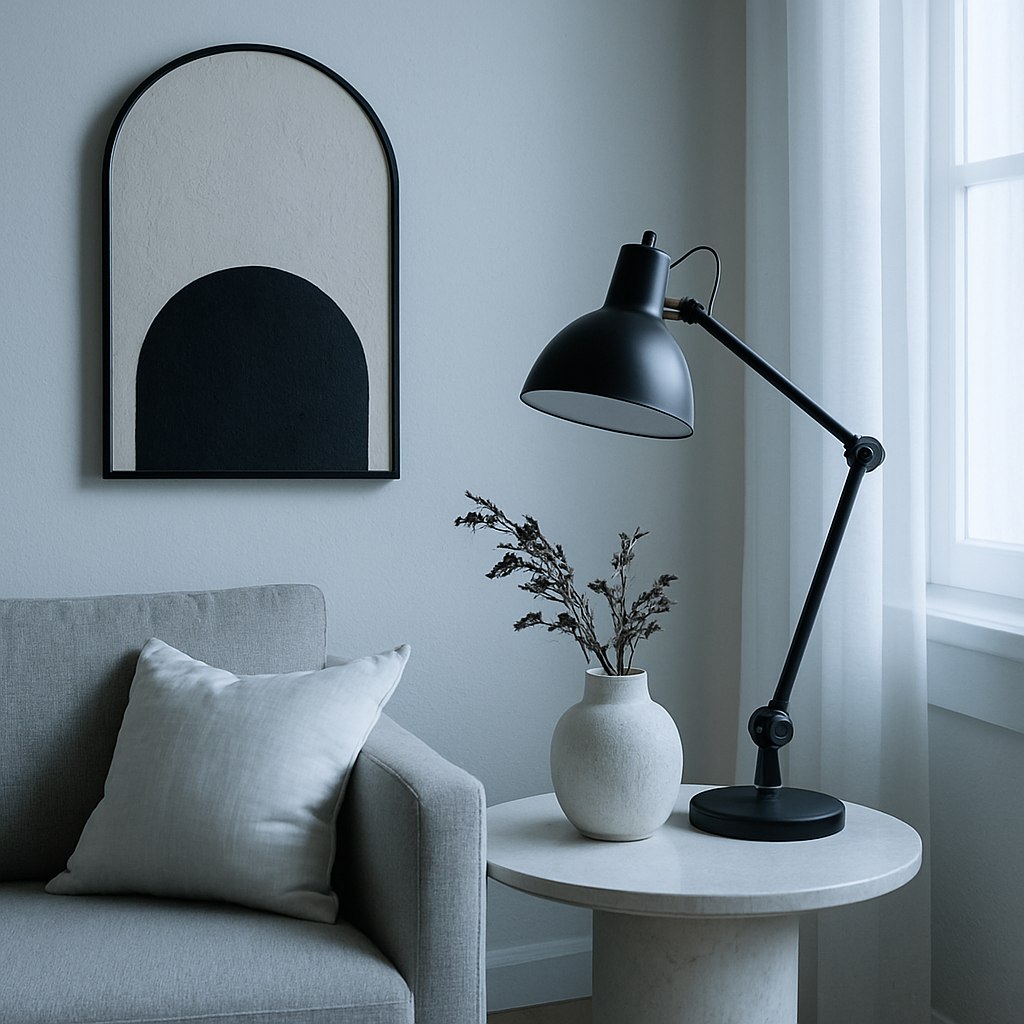
The world of interior design is undergoing a radical transformation, and artificial intelligence (AI) is at the forefront of this change. According to a report by Houzz, 25% of designers are now incorporating AI tools into their projects, streamlining processes and enhancing creativity. But what does this mean for homeowners and design enthusiasts? In this article, we delve into how AI is reshaping design trends for 2024, offering both challenges and opportunities. We'll explore foundational concepts, analyze data, provide actionable strategies, and share expert insights to help you navigate these changes. Whether you're a seasoned designer or a homeowner planning your next renovation, understanding AI's impact is crucial.
Understanding the Role of AI in Interior Design
AI's integration into interior design isn't merely about automating tasks; it's about enhancing creativity and efficiency. At its core, AI leverages machine learning algorithms to analyze vast amounts of design data, identifying patterns and preferences that can inform new trends. For instance, AI can predict color schemes that resonate with current cultural moods or suggest furniture layouts based on space utilization patterns. This foundational shift enables designers to create more personalized and efficient designs.
The rise of AI in interior design also addresses a significant industry pain point: time consumption. Traditional design processes often involve lengthy stages of ideation and approval. However, AI accelerates these phases by generating initial concepts based on client data and preferences, which can be quickly iterated upon. This means that designers spend less time on revisions and more on creative problem-solving.
Moreover, AI democratizes design by making professional-grade tools accessible to non-designers. Platforms like Planner 5D and Morpholio Board use AI to offer drag-and-drop design capabilities, allowing users to experiment with layouts and aesthetics without prior expertise. This empowers homeowners to visualize transformations independently, fostering a more engaging design process.
The Data-Driven Design Revolution
Data is at the heart of AI's impact on interior design, and the numbers speak for themselves. According to a survey conducted by the American Society of Interior Designers (ASID), 68% of designers who use AI report increased client satisfaction due to more tailored designs. This is largely because AI tools analyze user data to predict what specific elements will appeal to individuals, from color preferences to spatial arrangements.
One of the most groundbreaking uses of AI in design is in the realm of augmented reality (AR) and virtual reality (VR). These technologies enable designers and clients to walk through virtual spaces before any physical changes are made. As noted by Architectural Digest's AD PRO network, this capability can reduce project timelines by up to 30%, as clients are able to make informed decisions faster. This data-driven approach not only enhances efficiency but also minimizes costly mid-project changes.
AI also taps into global design data to forecast emerging trends. For example, the popularity of biophilic design-emphasizing natural elements and indoor-outdoor flow-has been accelerated by AI's ability to analyze environmental data and consumer behavior. This means that trends can be identified and adopted more quickly, keeping designs fresh and relevant.
How to Leverage AI for Your Next Design Project
So, how can you harness the power of AI in your next interior design project? Start by integrating AI tools that match your project's scope and complexity. For example, if you're redesigning a room, consider using AR apps like Houzz's AR feature, which allows you to visualize different furniture pieces in your space before purchasing. This reduces the risk of buying items that don't fit or match your existing decor.
Experienced professionals often note that the key to successful AI integration is collaboration. While AI can provide data-driven insights and suggestions, the human touch is essential for interpreting these insights in a way that aligns with personal tastes and lifestyle needs. Partner with a certified interior designer, such as those holding NCIDQ (National Council for Interior Design Qualification) credentials, who are adept at blending AI capabilities with traditional design expertise.
Finally, use AI to enhance sustainability in your design choices. AI tools can analyze environmental impact data, helping you select materials and products that are eco-friendly. For instance, platforms like Autodesk's Eco Materials Advisor provide insights into the sustainability of various design options, supporting the growing trend of sustainable and reclaimed materials in 2024.
Expert Insights on AI and Design Trends
Industry experts agree that AI is not just a trend but a fundamental shift in how design is approached. According to the International Interior Design Association (IIDA), AI's role in predicting and setting design trends will continue to grow. This is due to its ability to process and analyze vast datasets far beyond human capability, offering new perspectives on design possibilities.
One noteworthy trend is the rise of "quiet luxury" or understated elegance, which AI is helping to propagate by analyzing consumer behavior and preferences. AI tools identify the subtle elements that contribute to this aesthetic, such as color palettes, textures, and furniture styles, enabling designers to create spaces that exude sophistication without excess.
AI also plays a pivotal role in smart home integration. As homes become more connected, AI systems manage everything from lighting to climate control. Designers now incorporate these technologies to ensure seamless smart home experiences, aligning with the 2024 trend of integrated technology in design.
Additional Considerations for AI-Driven Design
When considering AI in design, it's important to think about the ethical implications. As AI collects data to inform design choices, privacy concerns must be addressed. Ensure that any AI tool you use complies with data protection regulations and is transparent about how data is used and stored.
AI also raises questions about creativity in design. While it can provide innovative solutions, some argue that it might lead to homogenization. To counter this, blend AI-generated insights with your unique creative vision. This approach maintains originality while benefiting from AI's efficiency and data-driven accuracy.
Lastly, consider the cost implications of AI tools. While some AI applications are freely accessible, others may require significant investment. Weigh these costs against the potential time savings and enhanced design quality AI offers. This cost-benefit analysis will help you determine whether AI is a worthwhile investment for your project.
The Future of AI in Interior Design
Looking ahead, AI's role in interior design will only expand. As technology advances, AI tools will become even more sophisticated, offering deeper insights and more refined solutions. This evolution will likely lead to even greater personalization in design, with AI helping to create spaces that are perfectly tailored to individual tastes and lifestyles.
Moreover, as AI becomes more prevalent, designers will need to adapt and learn how to effectively integrate it into their workflows. This will involve ongoing education and a willingness to embrace new technologies and methodologies. By staying informed and open to change, designers can leverage AI to create innovative and impactful designs.
In conclusion, while AI is transforming the field of interior design, its success depends on a harmonious blend of technology and human creativity. As you consider your next project, how might AI enhance your design process? What new possibilities could it unlock?
Conclusion
AI is revolutionizing interior design, offering tools and insights that enhance creativity, efficiency, and personalization. From AR and VR to smart home integration, AI is reshaping how we approach design projects. As you embark on your next design journey, consider how AI can streamline your process and elevate your results. Start by exploring AI-powered platforms like Houzz or Planner 5D to experiment with your ideas. Even dedicating 20 minutes to research can significantly sharpen your vision and understanding. Ready to start your AI-enhanced design journey? Browse designer portfolios on these platforms today to get inspired and informed.


Comments
Post a Comment