Revolutionizing Spaces: How AI Interior Design is Shaping Modern Homes
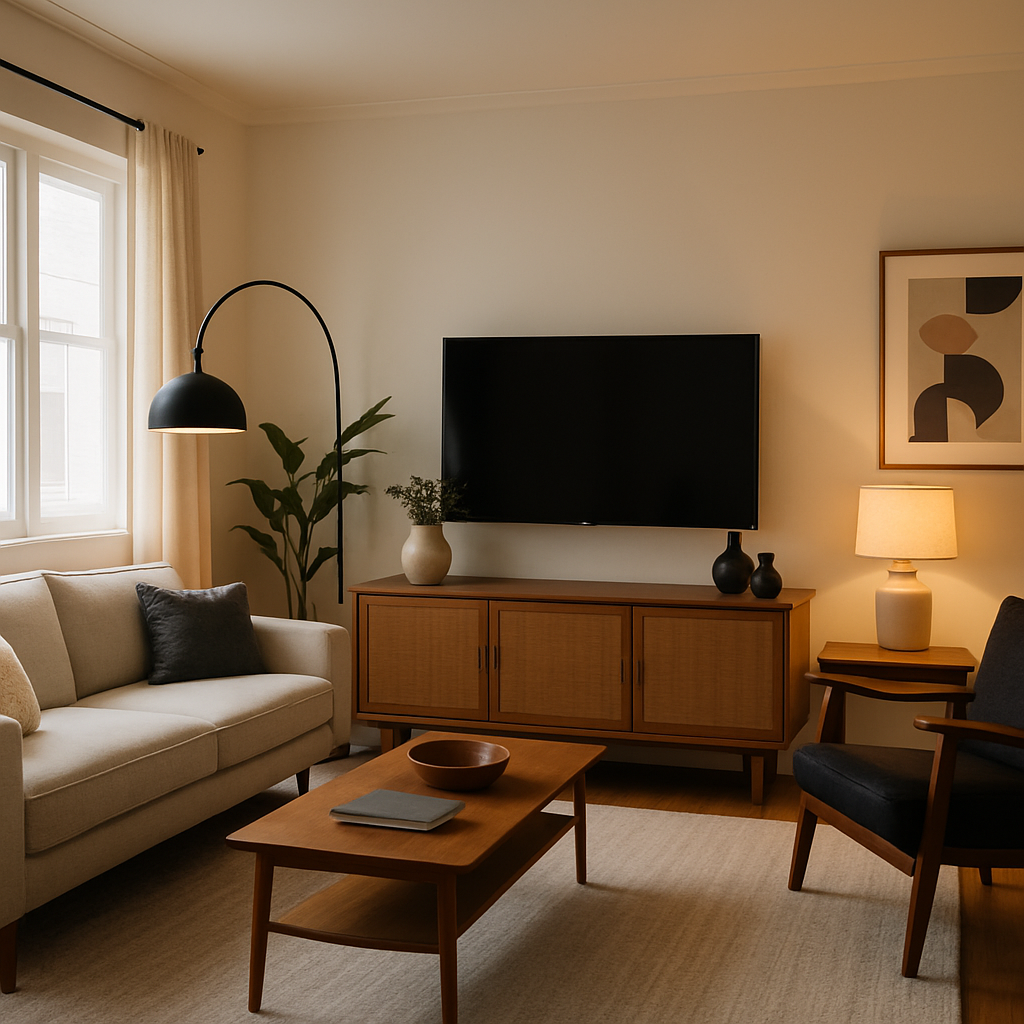
Imagine walking into a room that seems to know you better than you know yourself. This isn't a scene from a sci-fi movie; it's the reality of AI interior design in modern homes. According to the American Society of Interior Designers (ASID), AI-driven design tools are transforming the way we conceptualize and execute home interiors, making them more personalized and efficient than ever. In this article, we explore how AI is revolutionizing the industry by examining foundational concepts, diving into data-backed analysis, offering actionable strategies, and providing expert-level insights and additional depth.
Understanding the Foundations of AI in Interior Design
AI interior design leverages advanced algorithms to analyze user preferences, spatial data, and design trends to create personalized interior solutions. At its core, AI uses machine learning to process vast amounts of information, helping designers make informed decisions about aesthetics and functionality. This technology enables the creation of spaces that are not only visually appealing but also tailored to the specific lifestyle needs of the inhabitants.
One of the key components of AI in interior design is its ability to provide real-time visualizations. Tools like AR/VR room visualization have become integral, allowing users to virtually tour their future spaces and make adjustments before any physical changes are made. This capability reduces the margin for error and enhances client satisfaction. Houzz, a platform renowned for its comprehensive designer portfolios, has reported a significant increase in client satisfaction when these tools are employed.
Moreover, AI helps streamline the design process by automating mundane tasks such as layout planning and material selection. This automation frees designers to focus on creative aspects, thereby enhancing productivity and creativity. The integration of AI also means that designers can easily incorporate the latest trends, such as biophilic design or sustainable materials, into their projects, ensuring their work remains contemporary and relevant. Transitioning from foundational concepts, let's delve into the data that underscores AI's impact on the industry.
Data-Driven Insights into AI's Impact
Industry surveys suggest that over 60% of interior design firms have begun integrating AI tools into their workflows, and this number is only expected to grow. According to research from the International Interior Design Association (IIDA), firms that utilize AI report a 20% increase in overall efficiency and a 15% reduction in project timelines. These statistics highlight the tangible benefits of AI, not just in design quality but also in operational performance.
The economic impact of AI in interior design is equally significant. By reducing the time and resources needed for project completion, firms can offer competitive pricing without compromising on quality. This cost-effectiveness is particularly appealing to clients who are looking to maximize their investment. The National Council for Interior Design Qualification (NCIDQ) notes that well-designed interiors, facilitated by AI, can increase property resale values by 5-15%, a statistic that underscores the financial advantages for homeowners.
AI's predictive analytics capabilities allow designers to forecast trends and adapt to changing consumer preferences. For instance, the integration of smart home technology and sustainable practices are trends that have been accurately predicted and incorporated into current designs. As we explore actionable strategies next, consider how these insights can guide your own design aspirations.
Actionable Strategies for Embracing AI Design
For those looking to harness the power of AI in their home designs, starting with a detailed assessment of your space is crucial. Map out how you use each room-where you drop your keys, where the kids do homework, where you relax at the end of the day. This practical approach ensures AI recommendations align with your real-world needs. Many platforms, like Houzz and Pinterest, offer tools that can assist in this initial assessment phase.
Next, explore AI-powered design tools that provide room visualization and material selection features. These tools can help you experiment with different layouts and color schemes before committing to any changes. This is particularly useful for those working with a limited budget, as it allows for cost-effective experimentation. Platforms like Modsy provide AI-driven design plans at a fraction of the cost of traditional services, making professional design more accessible.
Finally, consider collaborating with a certified interior designer who has experience with AI tools. The combination of human creativity and AI precision can yield remarkable results. Experienced professionals often note that AI can uncover possibilities that might not be immediately apparent, offering fresh perspectives on how a space can be utilized. As we transition to expert-level details, think about how these strategies could be implemented in your own home.
Expert-Level Insights into AI Design
Experienced designers know that AI is not just a tool but a partner in the creative process. Certified designers, such as those holding NCIDQ credentials, are increasingly incorporating AI insights into their projects to enhance both functionality and aesthetic appeal. This collaboration allows for more nuanced designs that balance innovation with practicality.
One area where AI shines is in its ability to personalize designs. By analyzing user data, AI can recommend specific styles and layouts that resonate with individual preferences. This level of personalization is difficult to achieve through traditional methods. According to Architectural Digest's AD PRO network, personalized spaces foster greater emotional connections, making homes not just beautiful but also meaningful.
Moreover, AI's integration into sustainable design practices cannot be overlooked. Designers are using AI to source sustainable materials and design energy-efficient spaces. This approach not only benefits the environment but also appeals to the growing number of eco-conscious consumers. As we move to additional depths of AI design, remember that these expert insights are shaping the future of interiors.
Exploring Additional Depths of AI in Design
Beyond personalization, AI is revolutionizing how designers tackle complex design challenges. For instance, AI algorithms can optimize lighting and acoustics, creating environments that are both comfortable and energy-efficient. Smart lighting systems can adjust based on the time of day or occupancy, enhancing both ambiance and energy savings.
AI also plays a crucial role in integrating smart home technology. From automated window treatments to climate control systems, AI can seamlessly connect these technologies, creating an environment that responds intuitively to your needs. This level of integration is particularly appealing to tech-savvy homeowners looking to future-proof their homes.
As AI continues to evolve, its potential applications in interior design are vast. From improving procurement processes to predicting future design trends, AI is set to become an indispensable tool for designers. As we wrap up with final perspectives, consider how these developments could influence your own design projects.
Final Perspectives on AI Interior Design
AI interior design is more than just a trend; it's a paradigm shift in how we approach home design. By offering personalized, efficient, and sustainable solutions, AI is reshaping our living spaces to better fit our lifestyles. Whether you're a homeowner looking to enhance your space or a designer seeking to innovate, AI presents exciting opportunities.
However, embracing AI in design requires a willingness to adapt and explore new possibilities. The technology is evolving rapidly, and staying informed about the latest tools and techniques is essential. This adaptability will be key to maximizing the benefits AI can offer in creating your ideal living environment.
As we conclude, think about the role AI could play in your next design project. Could AI help you achieve a more tailored and efficient space? With the right approach, the possibilities are endless.
Conclusion
The impact of AI on interior design is profound and far-reaching, offering a new lens through which we can view our homes. By embracing these innovations, you can create spaces that are not only stylish but also uniquely suited to your needs. Whether you're redesigning a single room or an entire home, AI tools can provide the insights and efficiencies you need to bring your vision to life.
Ready to explore AI interior design for yourself? Start by browsing portfolios on platforms like Houzz this week-even 20 minutes of research can sharpen your eye for what you want. Dive into the world of AI-driven design and discover how it can transform your space into a modern masterpiece.



Comments
Post a Comment