Revolutionizing Home Aesthetics: How AI is Transforming Interior Design
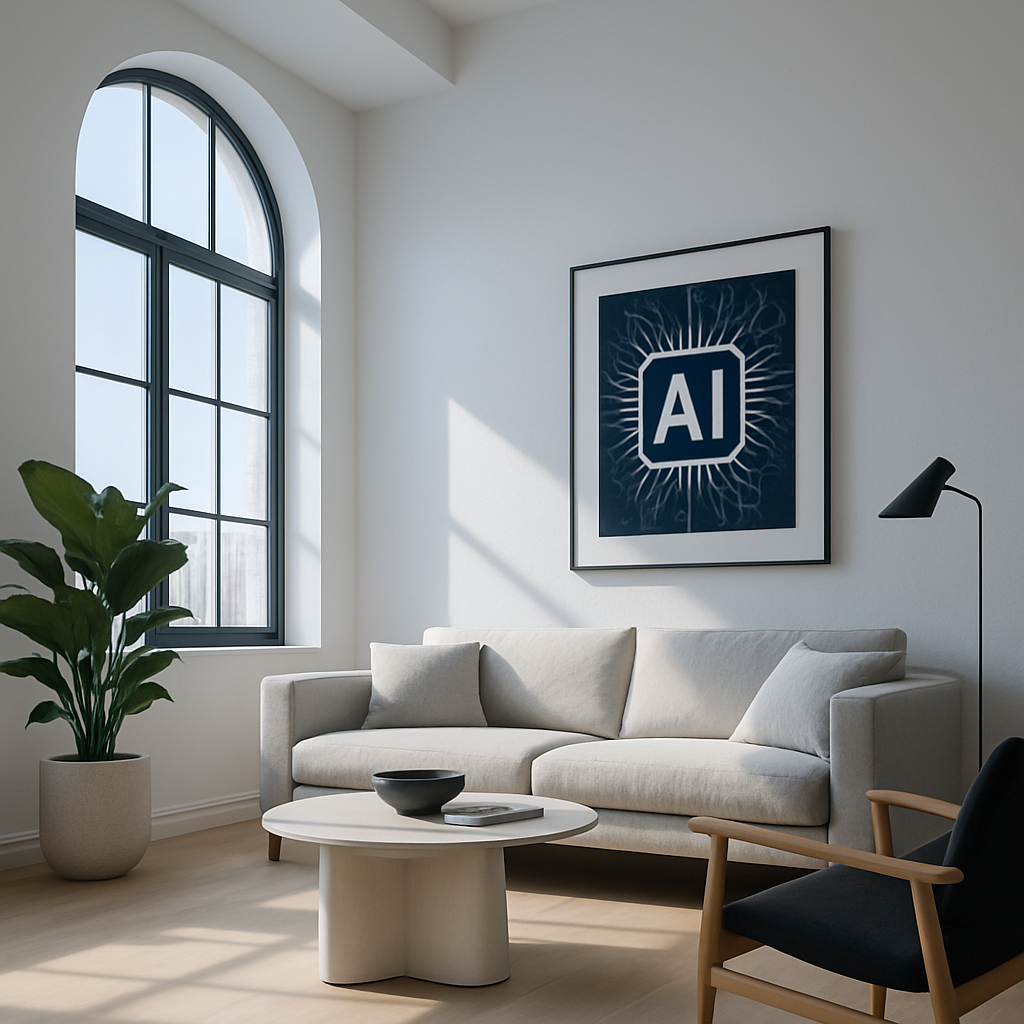

Imagine walking into a home where every element, from lighting to furniture, is perfectly tailored to your tastes, all orchestrated by artificial intelligence. According to a recent survey by Houzz, over 40% of homeowners are now incorporating smart technology into their design projects. This growing trend highlights a significant shift in how people are approaching home design. This article explores the transformative role of AI in interior design, examining foundational concepts, analyzing industry data, offering actionable strategies, and delving into expert insights. Whether you're a seasoned designer or a curious homeowner, understanding AI's impact is crucial for staying ahead in the world of interior aesthetics.
The Foundations of AI in Interior Design
At its core, AI in interior design is about harnessing computational power to enhance creativity and efficiency. Artificial intelligence algorithms analyze vast amounts of data, from user preferences to spatial configurations, to generate design solutions that are both innovative and practical. This technology enables designers to push boundaries, creating spaces that are not only aesthetically pleasing but also highly functional. For example, AI can suggest optimal furniture layouts by considering factors such as room dimensions, lighting conditions, and usage patterns.
AI-driven tools like Planner 5D and Morpholio Board are becoming staples in the designer's toolkit. These platforms allow users to visualize spaces in 3D, experimenting with different styles and furnishings before making a commitment. By simulating various design scenarios, AI empowers designers to make informed decisions, reducing the risk of costly mistakes. Furthermore, AI's ability to learn from user interactions means that these tools continually improve, offering increasingly personalized recommendations.
However, the integration of AI in interior design is not without its challenges. One of the primary concerns is maintaining the human touch in a process driven by algorithms. Experienced professionals often note that while AI can enhance efficiency, the designer's intuition and creativity remain irreplaceable. The key is to strike a balance, using AI as a tool to augment rather than replace human expertise. This foundational understanding sets the stage for a deeper exploration of AI's impact on the industry.
The Impact of AI: Data and Analysis
AI's influence on interior design is underscored by compelling data. According to the American Society of Interior Designers (ASID), projects utilizing AI technology report a 20% reduction in design time and a 15% increase in client satisfaction. These statistics highlight AI's potential to streamline workflows and enhance the client experience. By automating routine tasks such as inventory management and procurement, designers can focus more on the creative aspects of their work.
Moreover, AI's ability to predict trends is transforming how designers approach projects. Using algorithms that analyze social media activity and search trends, AI can forecast emerging styles, such as the growing popularity of biophilic design and Japandi aesthetics. This predictive capability allows designers to stay ahead of the curve, offering clients cutting-edge solutions that are both stylish and sustainable. For instance, incorporating natural materials and minimalist designs can create spaces that feel serene and harmonious.
Another significant area where AI is making waves is in sustainability. By analyzing energy consumption patterns and recommending eco-friendly materials, AI helps designers create environments that are not only beautiful but also environmentally responsible. As more consumers prioritize sustainability, AI's role in promoting green design becomes increasingly vital. This data-driven analysis reveals the multifaceted impact of AI on the industry, paving the way for actionable strategies that leverage these insights.
Actionable Strategies for Integrating AI
For designers looking to integrate AI into their practice, several actionable strategies can be leveraged. First, embracing AI-powered visualization tools is essential. Platforms like SketchUp and Autodesk Revit offer advanced capabilities for creating detailed 3D models, allowing designers to experiment with different layouts and aesthetics. By investing time in mastering these tools, designers can enhance their ability to present clients with realistic and engaging design concepts.
Next, designers should consider incorporating AI-driven analytics into their workflow. Tools like Tableau and Microsoft Power BI can analyze client preferences and market trends, providing valuable insights that inform design decisions. By leveraging data analytics, designers can tailor their proposals to align with client expectations, increasing the likelihood of project approval. Additionally, these insights can help identify new business opportunities, such as niche markets or emerging design trends.
Finally, collaboration with tech-savvy partners can be a game-changer. By working with technology experts, designers can integrate smart home solutions that enhance the functionality of their designs. From automated lighting systems to climate control, these innovations can significantly elevate the user experience. Have you considered how AI could streamline your design process or elevate client satisfaction? By adopting these strategies, designers can harness AI's potential to deliver exceptional design solutions.
Expert Insights: Balancing Technology and Creativity
While AI offers numerous advantages, experienced designers emphasize the importance of maintaining a balance between technology and creativity. According to the National Council for Interior Design Qualification (NCIDQ), certified designers are uniquely positioned to integrate AI into their practice while preserving the artistic essence of their work. This balance is crucial for ensuring that AI enhances rather than diminishes the creative process.
One way to achieve this balance is by using AI to handle technical tasks, such as lighting calculations and material specifications, allowing designers to focus on the artistic aspects of a project. By delegating these tasks to AI, designers can devote more time to exploring new ideas and pushing creative boundaries. This approach not only improves efficiency but also enhances the overall quality of the design.
Furthermore, seasoned designers often collaborate with AI specialists to develop custom tools that cater to their specific needs. By tailoring AI solutions to their workflow, designers can create a seamless integration that complements their creative vision. This collaborative approach ensures that AI serves as a valuable ally in the design process, enhancing creativity rather than stifling it. These expert insights underscore the importance of thoughtful integration, setting the stage for a deeper exploration of AI's potential in the industry.
Additional Depth: AI and the Future of Design
Looking ahead, AI's role in interior design is poised to expand even further. One exciting development is the use of augmented reality (AR) and virtual reality (VR) tools, which allow designers and clients to immerse themselves in a virtual representation of their spaces. These technologies enable real-time modifications, providing an interactive platform for exploring design options. As AR/VR tools become more sophisticated, they are likely to become an integral part of the design process.
Moreover, AI's ability to facilitate collaboration across disciplines is opening new avenues for innovation. By integrating AI with architectural software, designers can collaborate more effectively with architects and engineers, creating cohesive designs that seamlessly blend form and function. This interdisciplinary approach is essential for tackling complex projects that require expertise from multiple fields.
Finally, AI is also playing a pivotal role in promoting inclusivity in design. By analyzing demographic data and accessibility requirements, AI can help designers create spaces that are welcoming and accessible to all users. This focus on inclusivity is not only socially responsible but also aligns with the growing demand for designs that cater to diverse needs. As AI continues to evolve, its potential to transform the industry is limitless, paving the way for a new era of design innovation.
Final Perspectives on AI in Interior Design
As we have explored, AI is revolutionizing interior design by offering unprecedented opportunities for creativity and efficiency. From data-driven insights to advanced visualization tools, AI is reshaping how designers approach projects, enabling them to deliver innovative solutions that meet the demands of modern living. However, the successful integration of AI requires a thoughtful approach that balances technological capabilities with the designer's creative vision.
For those considering incorporating AI into their design practice, the journey may seem daunting, but the rewards are well worth the effort. By embracing AI as a tool for enhancing rather than replacing human creativity, designers can unlock new possibilities and deliver exceptional results. How might AI transform your approach to design, and what steps can you take to harness its potential?
Conclusion: Embracing AI for the Future
In conclusion, AI is not just a tool but a transformative force in the world of interior design. By understanding its capabilities and integrating it thoughtfully into the design process, professionals can create spaces that are both functional and inspiring. As AI technology continues to advance, its potential to revolutionize home aesthetics will only grow, offering exciting opportunities for those willing to embrace change.
To begin your journey with AI in interior design, start by exploring platforms like Houzz and Pinterest for inspiration and tools like Planner 5D to experiment with designs. Even a small investment in learning AI tools can yield significant dividends in creativity and efficiency. Start by browsing portfolios on these platforms this week - even 20 minutes of research will sharpen your eye for what you want.



Comments
Post a Comment