Reviving Elegance: How to Incorporate Victorian Interior Design in Modern Homes
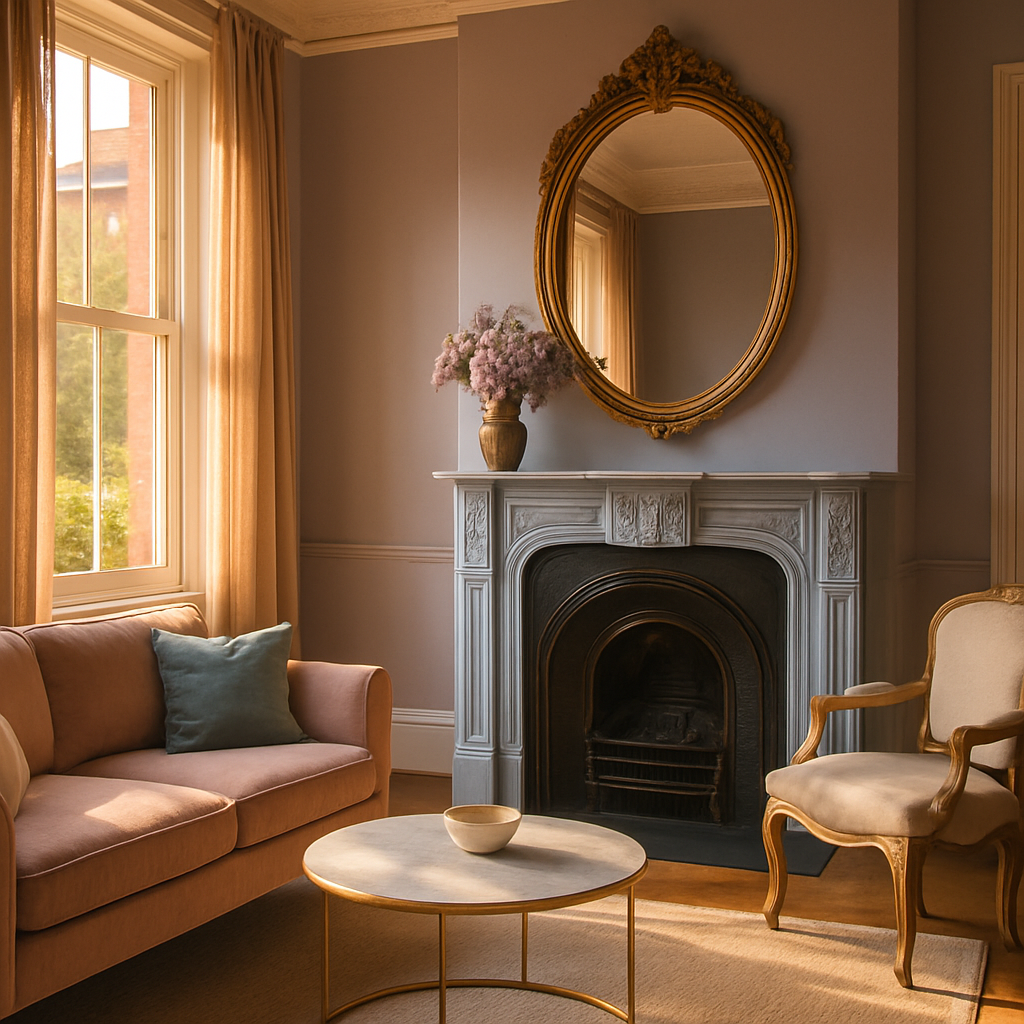
Have you ever walked into a room and felt like you'd been transported back to a time of opulence and grandeur? Such is the magic of Victorian interior design, a style that invites you to bask in the elegance of the past while blending seamlessly with the present. But how do you incorporate Victorian elements into a modern home without creating a museum-like atmosphere? This article explores the art of reviving Victorian elegance within contemporary settings. We will delve into foundational concepts, analyze the style's enduring appeal, and share actionable strategies to master this intriguing design fusion. Whether you're a seasoned design enthusiast or a curious beginner, these insights will guide your journey into a world where history meets modernity.
Understanding Victorian Interior Design: A Foundational Overview
Victorian interior design emerged during the reign of Queen Victoria from 1837 to 1901, characterized by a distinct blend of ornate detail and eclectic influences. This period saw a love for rich colors, intricate patterns, and a mix of different styles borrowed from various historical periods and cultures. The use of plush textiles, such as velvet and brocade, was prevalent, along with dark woods like mahogany and walnut, which added depth and luxury to the interiors.
At its core, Victorian design was about showcasing one's wealth and status through elaborate decoration. Homes were filled with a myriad of objects, from heavy draperies to intricate woodwork, all aimed at creating an atmosphere of opulence. Stained glass windows, floral wallpapers, and decorative tiles were common, each contributing to the overall aesthetic of grandeur.
But what makes Victorian design relevant today? It's the timeless elegance and the opportunity for personalization that draws modern homeowners. By understanding these foundational elements, you can selectively incorporate Victorian features that resonate with your aesthetic, crafting a space that honors tradition while embracing contemporary sensibilities. This sets the stage for deeper exploration into how these elements can be adapted for today's homes.
The Enduring Appeal: Analyzing Victorian Design's Modern Relevance
Why does Victorian interior design continue to captivate in the modern era? One reason is its inherent adaptability. According to a Houzz survey, homeowners increasingly seek to blend historical elements with modern conveniences, creating spaces that feel both timeless and current. The meticulous craftsmanship of Victorian design offers a counterbalance to the sleek, minimalist trends that dominate today's interiors, appealing to those who crave a touch of history and character in their homes.
Moreover, the resurgence of interest in sustainable design has brought Victorian aesthetics back into the spotlight. The use of high-quality, durable materials-many of which are reclaimed or repurposed-aligns with contemporary eco-friendly values. This not only honors the original craftsmanship but also reduces environmental impact. According to the American Society of Interior Designers (ASID), integrating sustainable practices is a top priority for modern homeowners, making Victorian design both a stylish and responsible choice.
As you consider incorporating Victorian elements, think about how these features can enhance your home's functionality. For instance, ornate ceiling medallions or intricate moldings can add architectural interest without overwhelming a room. This balance of form and function underscores the enduring appeal of Victorian design, paving the way for practical strategies to integrate these elements seamlessly.
Strategies for Blending Victorian and Modern Elements
So, how can you effectively blend Victorian design into your modern home? Start by identifying key Victorian elements that resonate with you, such as decorative moldings, rich textiles, or antique furnishings. These can be introduced selectively to add character and depth. For example, installing a Victorian-style chandelier in a minimalist dining room can create a striking focal point that draws the eye upwards and adds a layer of sophistication.
Another strategy is to use color and pattern to evoke Victorian charm. Consider incorporating deep, saturated colors like emerald green or burgundy on accent walls or through upholstery. Floral or damask prints can be reimagined in modern color palettes to maintain a contemporary feel. Experienced professionals often note that the key to success is moderation-using Victorian elements as highlights rather than the main event prevents the space from feeling dated.
Practicality is also crucial. Modern amenities should not be sacrificed for style. Integrate smart home technology, such as automated lighting or climate control, within the Victorian framework. This fusion enhances comfort and efficiency, ensuring that your home remains practical while exuding historical charm. With these strategies in mind, you can create a harmonious blend that reflects your personal style.
Expert Insights: The Role of Certified Interior Designers
Engaging a certified interior designer can be invaluable when undertaking such a design transformation. Professionals with credentials such as the NCIDQ (National Council for Interior Design Qualification) or membership in the IIDA (International Interior Design Association) bring a wealth of knowledge and expertise to the table. They can help you navigate the complexities of combining Victorian and modern elements, ensuring that your vision is executed flawlessly.
These experts are adept at creating cohesive designs that respect historical integrity while incorporating modern conveniences. For instance, they may suggest using AR/VR room visualization tools to help you envision how Victorian pieces will look in your space before making any purchases. This technology allows for informed decision-making and can prevent costly design missteps.
Furthermore, designers can assist with sourcing authentic Victorian pieces or reproductions, ensuring that the items you select are of high quality and complement your existing décor. Partnering with a skilled designer not only elevates the design process but also enhances the final outcome, making it well worth the investment. This leads us naturally to consider additional depth and detail in merging these styles.
Exploring Additional Depth: Material Choices and Details
When blending Victorian and modern styles, the choice of materials plays a pivotal role. Opt for authentic materials that nod to the Victorian era, such as marble, brass, and hardwood, which can be seamlessly integrated into modern designs. These materials not only add a sense of luxury but also durability, ensuring that your interiors stand the test of time.
Details are equally important. Consider incorporating Victorian-style hardware, like ornate door handles or drawer pulls, to add subtle yet impactful touches. These details can be sourced from specialty suppliers or antique markets, providing an opportunity to infuse your home with unique character. Architectural Digest's AD PRO network often highlights how such nuances can transform a space without requiring a complete overhaul.
Finally, embrace biophilic design by introducing natural elements such as indoor plants or floral arrangements. This approach not only complements the Victorian love for nature but also promotes well-being, a consideration increasingly important in today's health-conscious society. With these additional layers, your Victorian-modern hybrid will be both visually appealing and nurturing, setting the stage for concluding perspectives.
The Final Perspective: Bringing it All Together
As you embark on your journey to incorporate Victorian interior design into your modern home, remember that balance is key. The goal is not to replicate a historical period but to use its elements to enhance your current living space. This delicate balance, when achieved, can result in a home that feels both timeless and relevant, offering the best of both worlds.
Consider the emotional impact these design elements can have. A well-placed Victorian piece can evoke nostalgia and warmth, creating a welcoming atmosphere for you and your guests. Reflect on which aspects of Victorian design resonate with you personally, and use these as a foundation to build upon.
Ultimately, the fusion of Victorian and modern styles is a creative endeavor that requires thoughtful planning and execution. It is an opportunity to express your individuality and create a space that truly feels like home. With this holistic view, you're ready to take the next steps in your design journey.
Conclusion: Crafting Your Victorian-Modern Fusion
Incorporating Victorian interior design into modern homes is more than a stylistic choice-it's an invitation to explore history and personal expression. By understanding Victorian principles, analyzing their modern appeal, and employing strategic design choices, you can create a space that honors tradition while embracing contemporary life. What aspects of Victorian design are you most excited to explore in your home?
Start by researching portfolios on platforms like Houzz or engaging with a certified interior designer to refine your vision. Even a brief consultation can provide valuable insights into how Victorian elements can complement your existing décor. Why not take 20 minutes this week to begin exploring these resources? Doing so will sharpen your eye for what resonates with you and set the stage for a successful design project.



Comments
Post a Comment