Maximizing Space and Style: Smart Home Interior Design Ideas You Need to Try
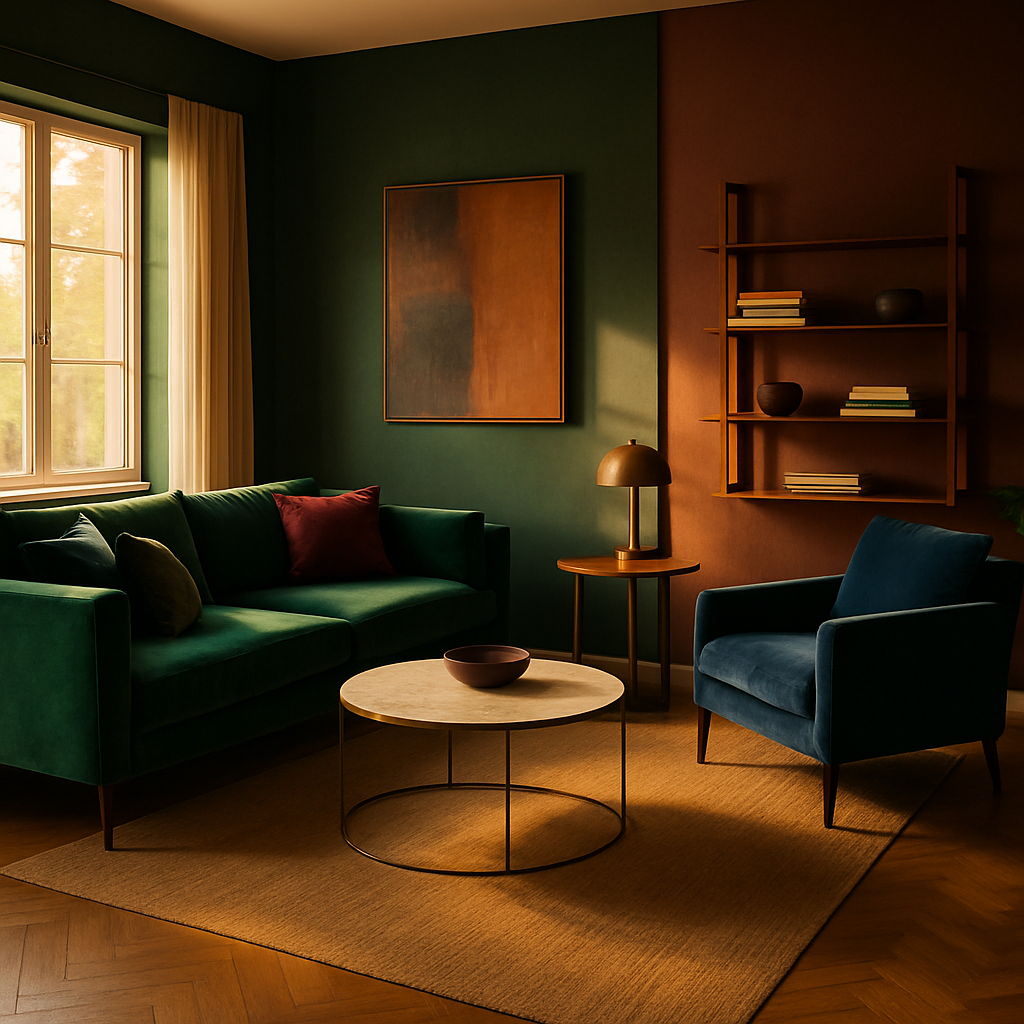
Have you ever walked into a room and felt it wasn't living up to its potential? You're not alone. According to a Houzz survey, over 70% of homeowners express dissatisfaction with their home's layout or design. This frustration often stems from a lack of space utilization and style cohesion. But what if you could transform your home into a model of efficiency and elegance without knocking down walls? This article explores smart home interior design ideas that will help you maximize both space and style, drawing on cutting-edge trends and expert insights. We'll delve into foundational concepts, provide actionable strategies, and share expert-level details that can elevate your home to new heights.
Understanding the Basics of Space Optimization
Before embarking on a redesign, it's crucial to understand the foundational concepts of space optimization. At its core, maximizing space involves thoughtful planning and strategic placement. A well-designed room layout considers traffic flow, function, and aesthetics. This means mapping how you actually use each room - where you drop your keys, where the kids do homework, where you collapse at the end of the day. Such an approach not only enhances functionality but also contributes to a cohesive design narrative.
Industry surveys suggest that incorporating multi-functional furniture is one of the easiest ways to optimize space. For instance, a sofa bed or a dining table with extendable leaves provides flexibility without sacrificing style. According to the International Interior Design Association (IIDA), selecting furniture that serves dual purposes can save up to 30% of space in small apartments. This adaptability is especially valuable in urban homes where every square foot counts.
Moreover, vertical space is often overlooked. Experienced professionals often note that utilizing walls for storage or decorative elements can significantly open up a room. Shelving, hanging planters, and wall-mounted desks are all excellent ways to make the most of vertical real estate. As you plan your space, consider how these elements can add both function and flair to your interior.
Leveraging Design Trends for Maximum Impact
As design trends evolve, they offer innovative solutions for maximizing space and style. One of the most notable trends is biophilic design, which integrates natural elements and promotes an indoor-outdoor flow. This approach not only enhances aesthetic appeal but also supports well-being and productivity. According to the American Society of Interior Designers (ASID), homes designed with biophilic elements can increase occupants' satisfaction by 30%.
Japandi, a harmonious blend of Japanese minimalism and Scandinavian warmth, is another trend gaining momentum. This style emphasizes simplicity and functionality, making it ideal for small spaces. Clean lines, neutral color palettes, and natural materials like wood and stone are key components. By reducing visual clutter, Japandi fosters a serene environment that feels both spacious and stylish.
Smart home integration is also reshaping interior design. Automated lighting, climate control, and window treatments can enhance a room's functionality while maintaining aesthetic integrity. The National Council for Interior Design Qualification (NCIDQ) has noted that these technologies not only improve convenience but can also contribute to energy efficiency, a critical consideration for eco-conscious homeowners.
Implementing Actionable Strategies for Your Redesign
Now that you understand the trends, it's time to implement actionable strategies for your home redesign. Start by decluttering your space. Removing unnecessary items can instantly make a room feel larger and more inviting. Are there pieces in your home that no longer serve a purpose or match your aesthetic? Consider donating or selling them to make room for elements that align with your design goals.
Next, focus on creating zones within open-plan areas. Use rugs, furniture, or lighting to delineate spaces for different activities. For example, a strategically placed bookshelf can divide a living area from a workspace without the need for physical walls. This approach maintains an open feel while providing functional separation. According to Houzz, such zoning techniques are increasingly popular among homeowners seeking adaptable living spaces.
Lighting also plays a critical role in maximizing both space and style. Layered lighting, which includes ambient, task, and accent lighting, can dramatically transform a room's ambiance. Consider using dimmable lights to adjust the mood according to the time of day or occasion. Experienced designers often recommend LED fixtures for their energy efficiency and versatility, allowing you to highlight architectural features or art pieces effortlessly.
Expert Insights on Design Execution and Budgeting
Executing a successful interior design project requires not only creativity but also careful budgeting. Certified interior designers, often holding credentials like NCIDQ or ASID, emphasize the importance of setting a realistic budget before starting any project. A single room redesign can range from $5,000 to $15,000, while a full-home overhaul may cost $50,000 to $150,000 or more.
One effective strategy is to allocate your budget by priority. Determine which areas of your home need the most attention and focus resources there first. For instance, if your kitchen is outdated but your living room only needs minor updates, direct a larger portion of your funds to the kitchen. This prioritization ensures that your investment yields the highest impact.
Additionally, consider the potential resale value of your design choices. Well-designed interiors can boost a home's resale price by 5-15%, according to industry experts. By focusing on timeless design elements and high-quality materials, you can create a home that appeals to future buyers while providing immediate satisfaction.
Navigating the Design Process with Professional Support
For many homeowners, the design process can be overwhelming. This is where professional support becomes invaluable. Working with a certified interior designer can streamline the process from concept development to installation. These professionals bring a wealth of experience and access to industry networks, including platforms like Architectural Digest's AD PRO, which can provide cutting-edge resources and inspiration.
The design process typically involves several phases: concept development, design presentation, procurement, installation, and styling. Each stage requires careful planning and execution to ensure a cohesive final result. Designers can help you visualize the end product using AR/VR tools, allowing you to experience potential layouts before committing to them.
When selecting a designer, review their credentials and past projects to ensure their style aligns with your vision. The American Institute of Architects (AIA) often hosts local events where you can meet designers and discuss your ideas. Building a rapport with your designer can lead to a more personalized and satisfying outcome.
Final Thoughts on Maximizing Space and Style
Maximizing space and style in your home is an achievable goal with the right strategies and support. By leveraging current design trends, utilizing professional resources, and implementing practical solutions, you can create a home that is both functional and beautiful. Remember, the key is to plan thoughtfully and prioritize elements that enhance your living experience.
As you embark on your redesign journey, ask yourself: What do I want my home to say about me? By focusing on this question, you'll make design choices that reflect your personality and lifestyle. This self-awareness is crucial in creating a space you truly love.
Conclusion: Start Your Design Journey Today
In conclusion, smart home interior design offers a wealth of opportunities to maximize space and style. By applying the ideas and strategies discussed, you can transform your home into a sanctuary that meets your needs and reflects your taste. Whether you choose to embrace biophilic design, incorporate smart technology, or consult with a certified designer, the possibilities are endless.
Ready to take the next step? Start by browsing portfolios on Houzz or Instagram this week - even 20 minutes of research will sharpen your eye for what you want. Connect with a professional designer or begin implementing small changes that have a big impact. Your dream space is within reach, and with thoughtful planning, it can become a reality.



Comments
Post a Comment