Maximize Small Spaces: Innovative Interior Design Ideas You Need to Try
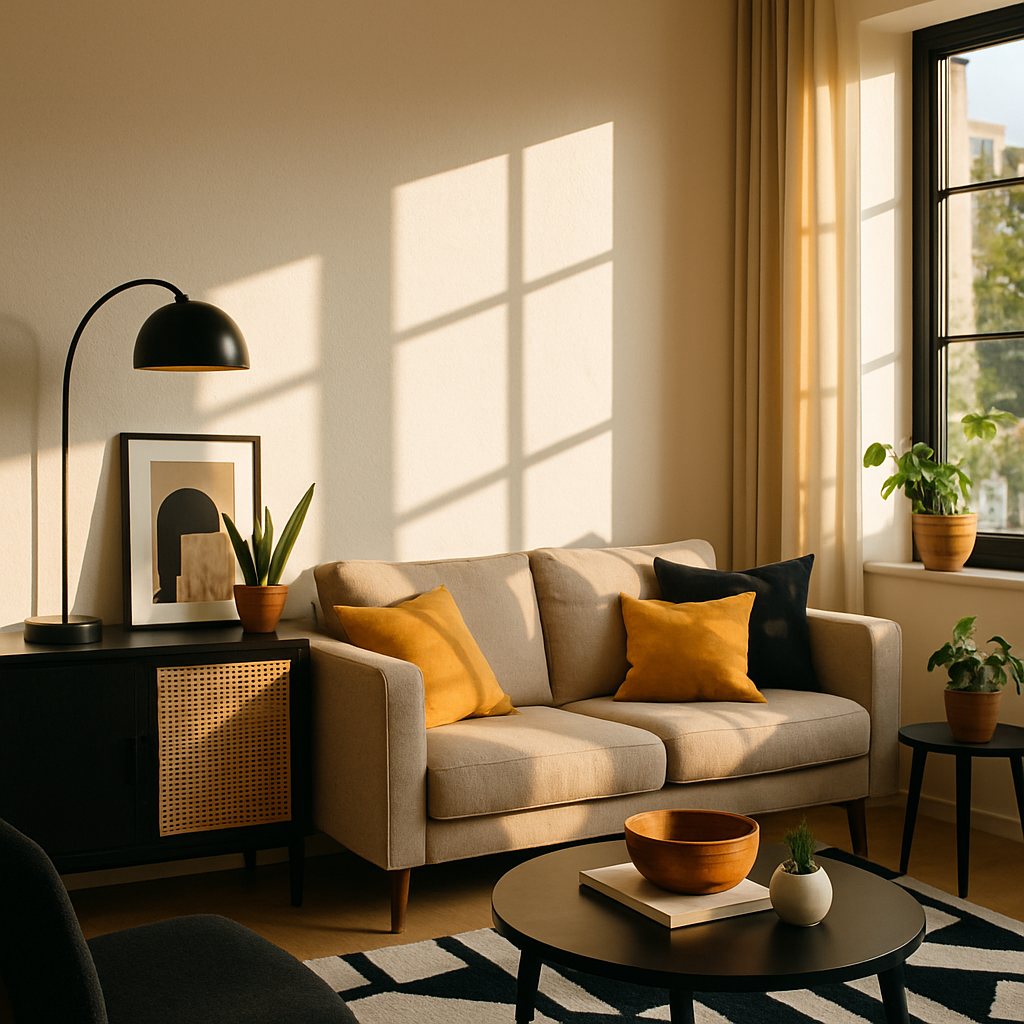
Imagine transforming your cramped apartment into a spacious haven without knocking down walls. According to Houzz, a well-executed interior design can increase a home's resale value by 5-15%, making it more than just an aesthetic endeavor. This article will explore how you can maximize small spaces with innovative interior design ideas. We'll delve into foundational concepts, analyze space utilization with data-backed insights, offer actionable strategies, and provide expert-level details to help you reimagine your living area.
Understanding the Basics of Space Maximization
When dealing with small spaces, understanding how to leverage every square inch is crucial. The foundational concept in space maximization is multifunctionality. This means choosing furniture and decor that serve more than one purpose. For example, a sofa bed or an ottoman with storage can provide both utility and style. According to the American Society of Interior Designers (ASID), multifunctional furniture is a key trend in optimizing small living areas.
Color selection also plays a vital role in making a space feel larger. Light colors can create the illusion of space by reflecting more light, making rooms appear airy and open. On the other hand, darker tones can make a room feel more intimate. Experienced professionals often note that a well-placed mirror can dramatically enhance the perception of space by bouncing light around the room, effectively doubling the visual area.
Lastly, vertical space should not be overlooked. Many people fail to utilize the vertical space available to them. Incorporating tall bookshelves or hanging plants can draw the eye upward and give the impression of a larger area. These foundational concepts are essential for anyone looking to maximize their small spaces effectively.
Analyzing Space Utilization: Insights and Data
The International Interior Design Association (IIDA) highlights that the average living space has decreased in size over the past decade due to urbanization. This shift has made the efficient use of space more critical than ever. According to a survey by Houzz, 60% of homeowners reported a desire to increase the functionality of their living spaces without expanding the physical footprint. This data underscores the growing need for innovative design solutions.
Storage solutions are a significant concern in small spaces. Open floor plans, while attractive, often lack built-in storage. As a result, clutter can quickly become an issue. To combat this, consider integrating built-in cabinetry or modular storage systems. These solutions not only provide necessary storage but can also be customized to blend seamlessly with the decor, maintaining a clean and organized appearance.
Another crucial aspect is the use of technology in space optimization. Smart home integration, such as automated lighting and climate control, can enhance comfort without requiring additional space. The use of AR/VR room visualization tools, now common among designers, allows homeowners to experiment with different layouts and furniture arrangements before committing to a design. These technological advancements are revolutionizing the field of interior design, making it more accessible and effective.
Actionable Strategies for Small Space Design
Are you utilizing all available space in your home to its full potential? One actionable strategy is to focus on the flow of movement within the room. Mapping out high-traffic areas can help you arrange furniture in a way that maximizes accessibility and functionality. For instance, placing furniture against walls rather than in the middle of a room can open up pathways and create a sense of openness.
Consider the strategic use of textiles and rugs to define different areas within a single room. This can create the perception of distinct zones without physical barriers, enhancing the multifunctionality of the space. Layering rugs can also add texture and warmth, making a small area feel more inviting.
Lighting is another critical component. Inadequate lighting can make even a spacious room feel cramped. Incorporating layered lighting solutions, such as a combination of overhead, task, and accent lighting, can add depth and dimension to a room. Opt for fixtures that match the scale of your space; oversized chandeliers might overwhelm a small room, while sleek pendant lights could complement it perfectly.
Expert-Level Insights into Maximizing Small Spaces
Certified interior designers, such as those holding the NCIDQ (National Council for Interior Design Qualification), emphasize the importance of a tailored approach to small space design. They suggest starting with a thorough assessment of your daily habits and needs. By understanding how you use each area, you can prioritize which elements are essential and which can be minimized or eliminated.
One expert technique is to employ optical illusions. Using stripes, whether in paint or wallpaper, can elongate walls and make ceilings appear higher. Designers also recommend incorporating glass or acrylic furniture, which occupies space without adding visual weight, maintaining the room's airy feel.
Another advanced strategy is the use of biophilic design elements. Integrating natural materials and living plants not only enhances the aesthetic but also improves air quality and well-being. The connection to nature, even within urban settings, is a growing trend that combines functionality with environmental consciousness.
Additional Considerations for Small Space Design
Budget is often a significant concern when redesigning small spaces. Typical costs for a single-room redesign range from $5,000 to $15,000, depending on the complexity and materials selected. However, strategic investments in multifunctional furniture and quality lighting can yield substantial returns, both in daily enjoyment and potential resale value.
Experienced designers recommend starting with a clear vision and prioritizing high-impact changes. For example, repainting walls or changing floor coverings can transform a space with relatively low investment. Additionally, sourcing materials and decor from sustainable suppliers can enhance your space's environmental credentials, aligning with modern ethical standards.
Finally, consider your personal style and how it can be reflected in a small space. While trends such as Japandi-Japanese minimalism meets Scandinavian warmth-are popular, the most important factor is creating a space that feels authentic to you. Whether through artwork, personal mementos, or custom furniture, your space should tell your story.
Final Perspectives on Small Space Interior Design
Maximizing small spaces is not just about efficiency; it's about creating an environment that enhances your lifestyle. By incorporating multifunctional furniture, strategic lighting, and innovative design elements, you can create a home that feels spacious and personalized. The journey to an optimized small space involves thoughtful planning and creative execution.
As you embark on your small space design journey, remember that even the smallest changes can have a significant impact. Whether you're revamping a studio apartment or a compact home office, the principles of good design remain the same. How will you transform your space to better suit your needs and style?
Conclusion: Take the Next Step in Your Small Space Transformation
In conclusion, maximizing small spaces requires a blend of creativity and practicality. From understanding foundational concepts to implementing expert-level strategies, the potential to transform your space is immense. As you consider these ideas, start by browsing designer portfolios on platforms like Houzz or Instagram. Even dedicating just 20 minutes a week to research will sharpen your eye for what you want.
Are you ready to take the next step in your interior design journey? Begin by assessing your space and identifying areas for improvement. With the right approach, you can create a space that is both functional and beautiful. Now is the time to start reimagining your small space-your dream home might be closer than you think.



Comments
Post a Comment