Maximize Small Spaces: Innovative Room Interior Design Tips You Need to Know
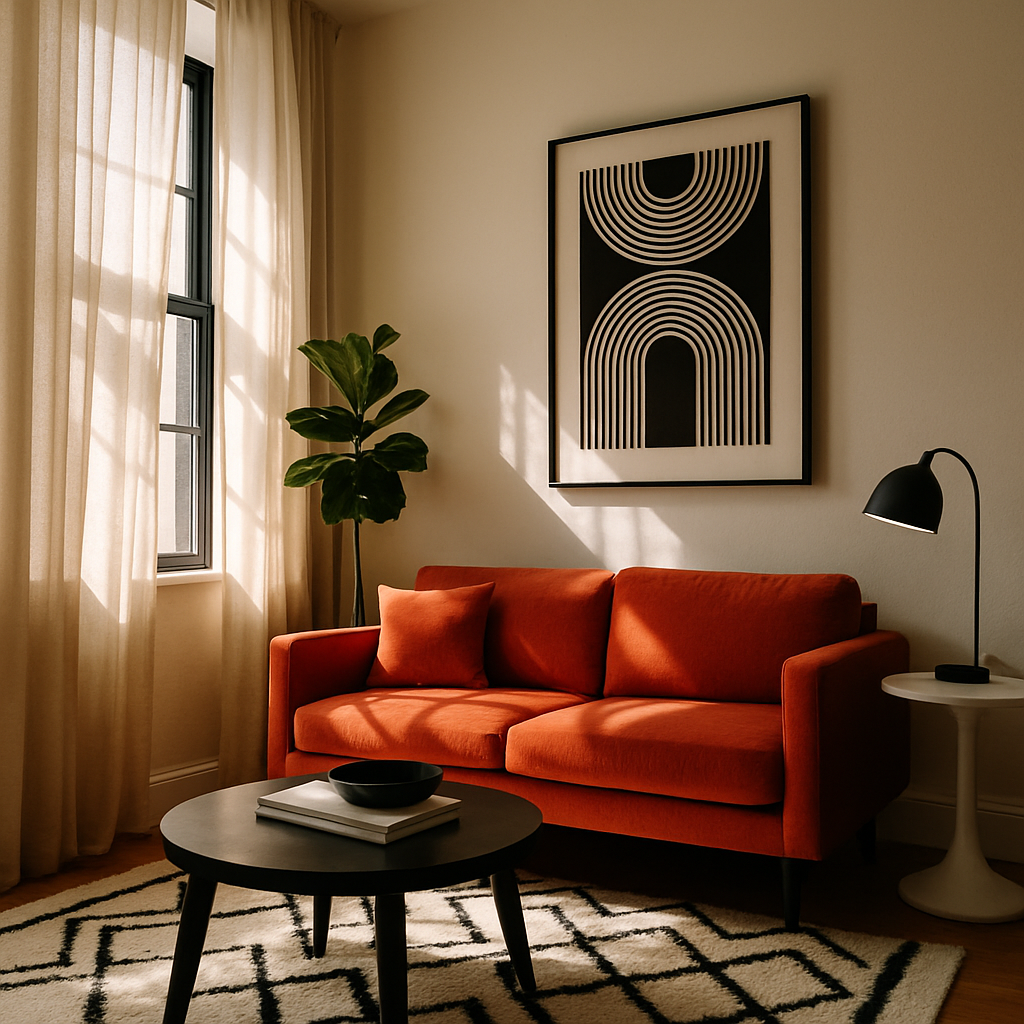

Imagine walking into a tiny studio apartment that feels as spacious and inviting as a loft. The secret? Smart interior design choices that maximize small spaces. According to the American Society of Interior Designers (ASID), about 30% of urban dwellers live in spaces under 600 square feet. With the right strategies, even the smallest rooms can be transformed into efficient and stylish living areas. This article will guide you through foundational concepts, offer deeper analyses with data, suggest actionable strategies, delve into expert-level details, and provide additional depth to help you make the most of your compact living space.
Understanding Spatial Dynamics and Flow
Maximizing small spaces begins with understanding the spatial dynamics and flow of a room. Start by analyzing how you use each area. Do you need a workspace, or is it more crucial to have a dining spot? Experienced professionals often note that mapping out room usage can reveal surprising inefficiencies. For instance, if your living room doubles as a home office, consider how often you actually use the space for work and whether it can be optimized.
In tight spaces, every inch counts. The National Council for Interior Design Qualification (NCIDQ) suggests focusing on multi-functional furniture. A sofa bed can transform your living room into a guest room at night. Similarly, a foldable dining table can be tucked away when not in use, freeing up precious floor space. By prioritizing furniture that serves multiple purposes, you can maximize functionality without compromising on style.
Another key aspect of spatial flow is maintaining a sense of openness. This can be achieved through strategic furniture placement. Avoid pushing all furniture against the wall, as this can create a cluttered feel. Instead, allow for pathways that lead the eye through the room. This approach not only enhances movement but also makes the space feel larger than it is. Transitioning from understanding spatial dynamics, let's explore how data can inform your design choices.
Data-Driven Design Decisions
Incorporating data into your design process can significantly enhance the effectiveness of your interior choices. According to a Houzz survey, homeowners who used data-driven design reports, such as those provided by platforms like Architectural Digest's AD PRO, were 20% more satisfied with their final outcomes. By examining trends and statistics, you can make informed decisions that maximize your space.
One data point to consider is the impact of color on perceived space size. Light colors can make a room feel larger and more open, while darker shades can create a cozy, intimate atmosphere. The International Interior Design Association (IIDA) recommends using a neutral palette with pops of color to maintain visual interest without overwhelming the space. This strategy not only enhances the room's expansiveness but also allows for flexibility in decor choices.
Additionally, technology plays a vital role in modern interior design. Advanced tools like augmented reality (AR) and virtual reality (VR) allow you to visualize changes before committing. Many designers are now using these technologies to provide clients with a virtual walk-through of their redesigned space. This not only minimizes costly mistakes but also helps in fine-tuning the design. With data-driven insights at your disposal, let's move on to actionable strategies you can implement today.
Actionable Strategies for Small Spaces
To effectively maximize small spaces, start by decluttering and organizing. A cluttered room can feel even smaller, so it's crucial to keep surfaces clear and store items out of sight. Consider investing in built-in storage solutions, such as under-bed drawers or wall-mounted shelves, to keep your belongings organized and easily accessible. These solutions not only save space but also add an element of design to your room.
Implementing vertical storage is another powerful strategy. Think beyond traditional shelving and explore options like hanging baskets or ceiling-mounted racks. This approach not only frees up floor space but also draws the eye upward, creating the illusion of height. Are there areas in your home where vertical storage could be introduced to enhance both functionality and aesthetics?
Lastly, define zones within your space to maintain order and functionality. Use rugs or lighting to demarcate different areas, such as a reading nook or a dining spot. This technique helps establish purpose within each section of your room, making it feel larger and more cohesive. As we explore further, expert insights will reveal additional ways to innovate your small space design.
Expert-Level Details for Design Success
Certified interior designers, such as those holding NCIDQ credentials, often emphasize the importance of lighting in small spaces. Natural light can make a room appear brighter and more open, so it's essential to maximize window exposure. If natural light is limited, consider layering artificial lighting with floor lamps, pendants, and wall sconces to create a warm and inviting ambiance.
Incorporating biophilic design elements can also enhance small spaces. This trend focuses on bringing the outdoors inside through natural materials, living walls, or indoor plants. According to ASID, biophilic design not only improves aesthetics but also contributes to mental well-being. How might you integrate these elements into your own home to create a serene, nature-inspired retreat?
Moreover, leveraging smart home technology can optimize the functionality of compact spaces. Automated window treatments, smart lighting, and climate control systems allow for seamless adjustments that enhance comfort and efficiency. As technology continues to evolve, incorporating these innovations can further streamline your living environment. Building on these expert insights, let's delve into additional details that add depth to your design approach.
Additional Depth: Design Trends and Innovations
Embracing current design trends can breathe new life into small spaces. The concept of "quiet luxury" or understated elegance is gaining traction in 2026. This trend emphasizes quality over quantity, focusing on high-end materials and craftsmanship. By selecting a few statement pieces, such as a designer lamp or a handcrafted coffee table, you can elevate your space without overwhelming it.
Sustainability is another pressing trend. Opting for reclaimed materials and eco-friendly finishes not only benefits the environment but also adds character to your home. Houzz reports that 60% of homeowners are now seeking sustainable options in their redesigns. Could incorporating these materials align with your design goals while also contributing to a greener future?
Lastly, the Japandi style, a blend of Japanese minimalism and Scandinavian warmth, offers a harmonious approach to small space design. This aesthetic focuses on simplicity, functionality, and natural elements, providing an inviting and tranquil atmosphere. As we conclude, these trends and innovations highlight the endless possibilities for maximizing small spaces. Let's explore final perspectives to round out our discussion.
Final Perspectives on Maximizing Small Spaces
As you embark on the journey to maximize your small space, remember that creativity and intentionality are key. By understanding spatial dynamics, leveraging data, and incorporating expert advice, you can transform any compact area into a functional and stylish haven. The process may seem daunting at first, but with the right strategies, it becomes an opportunity to express your personal style and meet practical needs.
Consider the long-term benefits of your design choices. Effective small space design not only enhances daily living but can also increase property value. Industry surveys suggest that well-designed interiors can yield a 5-15% higher resale value. With these insights in mind, how will you take the first step toward revamping your space? Prepare to embrace the possibilities and make your small space truly yours.
Conclusion: Your Next Steps
Maximizing small spaces is an art that combines creativity, practicality, and innovation. By applying the tips and strategies discussed, you can transform your compact area into a well-designed, functional haven. Whether it's through data-driven decisions, expert insights, or embracing current design trends, the possibilities are endless.
Now is the time to take action. Start by browsing designer portfolios on platforms like Houzz or Pinterest. Spend just 20 minutes this week researching and gathering inspiration. This initial step will sharpen your eye for what resonates with you and guide your design journey. Remember, a thoughtfully designed space enhances both your living experience and the value of your home. Seize the opportunity to create a space that reflects your unique style and meets your needs.



Comments
Post a Comment