Maximize Small Spaces: Clever Interior Design Ideas for Tiny Homes
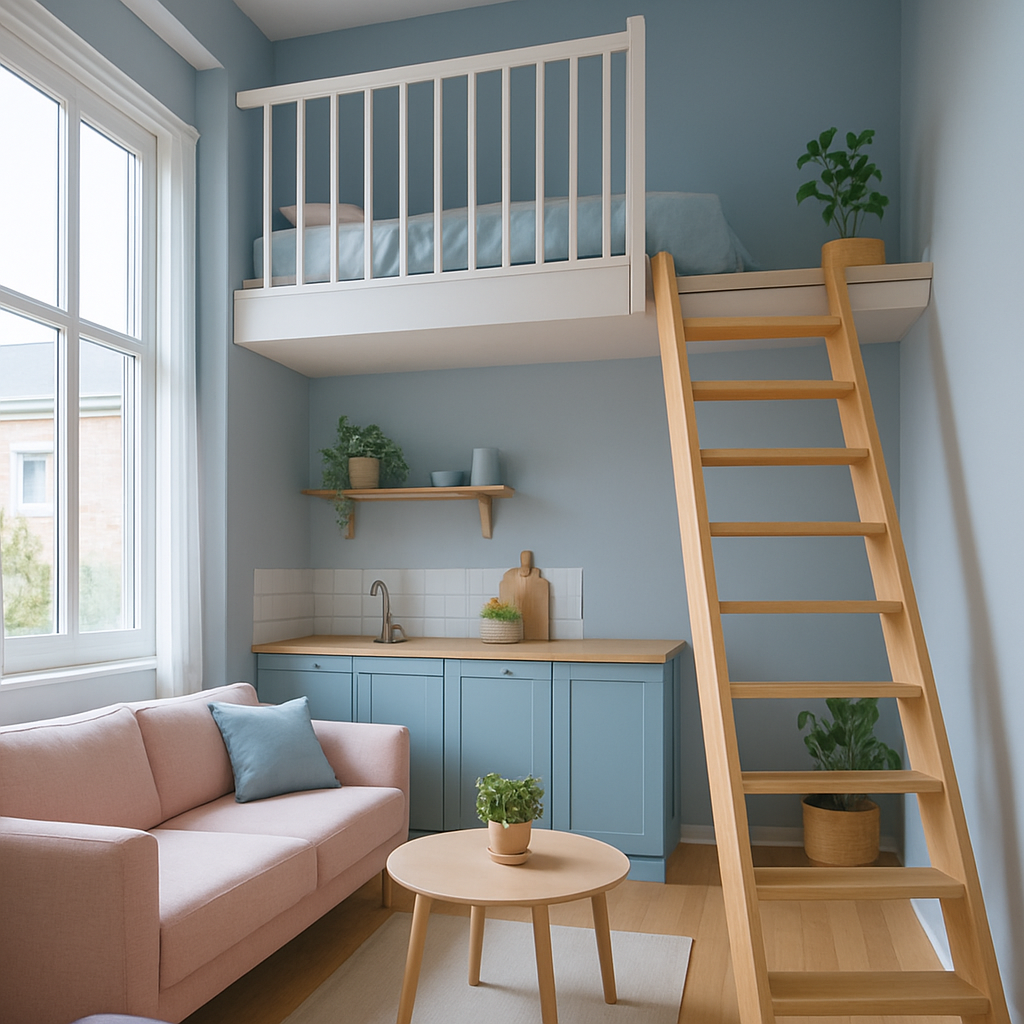
Have you ever felt overwhelmed by the clutter in your tiny home, wishing for a more spacious and organized environment? You're not alone. Many individuals living in compact spaces face the challenge of making the most out of every square foot. This article will explore innovative interior design ideas to maximize small spaces, transforming your tiny home into a more functional and visually appealing sanctuary. By understanding foundational concepts, analyzing space usage, implementing actionable strategies, and delving into expert-level details, you'll be equipped to enhance your living space effectively. Let's embark on this journey to unlock the potential of your tiny home.
Understanding the Foundations of Small Space Design
Maximizing small spaces begins with understanding the foundational principles of interior design. The first step is to recognize the importance of scale and proportion. In a tiny home, every piece of furniture must be carefully considered not only for its aesthetic appeal but also for its functionality. Experienced professionals often note that selecting furniture with dual purposes, such as a sofa bed or a foldable dining table, can significantly enhance the utility of a room.
Lighting is another crucial element in small space design. According to a survey by the American Society of Interior Designers (ASID), well-planned lighting can make compact areas appear larger and more inviting. Natural light should be maximized wherever possible, utilizing sheer curtains or strategically placed mirrors to reflect illumination throughout the space. Artificial lighting, including layered light sources like pendant lights and wall sconces, can provide both ambiance and functional task lighting.
Finally, color choices can dramatically impact the perception of space. Lighter colors tend to open up a room, making it feel more expansive, while darker shades can create a cozy, though possibly cramped, atmosphere. The National Council for Interior Design Qualification (NCIDQ) suggests using a cohesive color palette throughout the home to ensure a seamless flow and continuity between different areas. Understanding these foundational concepts sets the stage for more advanced design techniques.
Space Analysis: Making Every Inch Count
Once the basics are established, it's crucial to analyze how space is currently being used and where improvements can be made. A study by Houzz found that homeowners who successfully maximize small spaces often start with a detailed inventory of their possessions, identifying items that serve no purpose or could be replaced with more efficient alternatives. Have you considered conducting a similar audit to declutter and streamline your belongings?
Space analysis also involves a critical look at traffic patterns within the home. Are there areas that feel congested or difficult to navigate? By rearranging furniture and removing unnecessary obstacles, you can create a more open and accessible environment. The International Interior Design Association (IIDA) emphasizes the importance of creating clear pathways to enhance both the functionality and aesthetic appeal of a space.
Additionally, vertical space is often underutilized in tiny homes. Utilizing wall-mounted shelves, hanging storage, and tall bookcases can free up valuable floor space while providing ample storage opportunities. This approach not only increases storage capacity but also draws the eye upward, giving the illusion of higher ceilings. As we transition to the next section, we'll explore actionable strategies to implement these insights effectively.
Actionable Strategies for Small Space Optimization
To truly maximize small spaces, implementing actionable strategies is essential. One effective approach is the use of multifunctional furniture. Pieces like ottomans with hidden storage, extendable dining tables, and modular sofas can adapt to various needs and activities. This flexibility is key in small living environments where space is at a premium.
Another strategy involves the integration of smart home technology. Automated lighting systems, climate control, and motorized window treatments can be controlled via smartphone apps, offering convenience without additional physical space requirements. Are you utilizing any smart home technologies to enhance your living experience?
Lastly, embracing biophilic design elements can enhance both the aesthetic and psychological aspects of a tiny home. Incorporating natural materials, indoor plants, and elements that mimic outdoor environments can foster a sense of tranquility and connection to nature. According to Architectural Digest's AD PRO network, biophilic design is a growing trend that can make compact spaces feel more open and inviting. With these strategies in mind, let's delve deeper into expert-level details that refine these concepts.
Expert-Level Details: Refining Your Design Approach
For those seeking to elevate their small space design to a professional level, considering the project's entire lifecycle is critical. This begins with concept development, where the overall vision for the space is established. Collaboration with certified interior designers, such as those holding NCIDQ credentials, can provide valuable insights and ensure the design aligns with both aesthetic and practical goals.
The design presentation phase allows for visualization of the proposed changes through tools like AR/VR room visualization. These technologies enable homeowners to experience their redesigned space virtually before any physical alterations are made. This method not only reduces the risk of costly mistakes but also helps in making informed decisions regarding layout and furnishings.
During the procurement and installation phases, working with reputable sources and ensuring quality craftsmanship is paramount. The American Institute of Architects (AIA) and Houzz can be excellent resources for finding reliable contractors and suppliers. By focusing on these expert-level details, homeowners can achieve a polished, professional look in their tiny homes. As we explore additional depth, consider how these insights can be tailored to your specific needs.
Exploring Additional Depth in Small Space Design
Diving deeper into small space design reveals opportunities for personalization and customization. Custom-built furniture, such as a built-in banquette with storage or a lofted bed with a desk underneath, can be tailored to fit the unique dimensions and requirements of a tiny home. These bespoke solutions often maximize functionality while enhancing the aesthetic appeal of the space.
Budget considerations are also crucial when planning a small space redesign. Homeowners often wonder how much they should expect to invest in such projects. According to industry standards, a single room redesign could range from $5,000 to $15,000, while a full-home project might start at $50,000 and go up to $150,000 or more. Understanding these costs helps in setting realistic expectations and planning accordingly.
Finally, sustainability is an increasingly important consideration in interior design. Opting for sustainable and reclaimed materials not only benefits the environment but can also add character and depth to a tiny home. The use of eco-friendly paints, bamboo flooring, and recycled glass countertops are examples of how sustainability can be incorporated into design choices. As we wrap up, consider how these additional insights can influence your design approach.
Final Perspectives on Small Space Design
Reflecting on the journey to maximize small spaces, it's evident that thoughtful design can transform even the tiniest of homes into functional and aesthetically pleasing environments. By applying foundational principles, analyzing space usage, and implementing expert-level strategies, homeowners can create a space that meets their needs and reflects their personal style.
As you consider your next steps, think about which strategies resonate most with your specific circumstances. Would focusing on multifunctional furniture or integrating smart home technology make the biggest difference in your home? Remember, the key is to start small and build upon each success, gradually enhancing your living space. Let's conclude with a practical call to action to help you get started.
Conclusion: Take the First Step Toward a Transformed Space
In conclusion, maximizing small spaces in tiny homes requires a blend of creativity, planning, and expert insight. By understanding design principles, analyzing space usage, and embracing innovative strategies, you can transform your home into a functional and inviting oasis. Now is the time to put these ideas into action. Start by browsing designer portfolios on Houzz or Pinterest this week. Even 20 minutes of research can sharpen your eye for what you want. Embrace the possibilities and take that first step toward a truly transformed living space.



Comments
Post a Comment