Maximize Productivity with These Innovative Office Interior Design Ideas
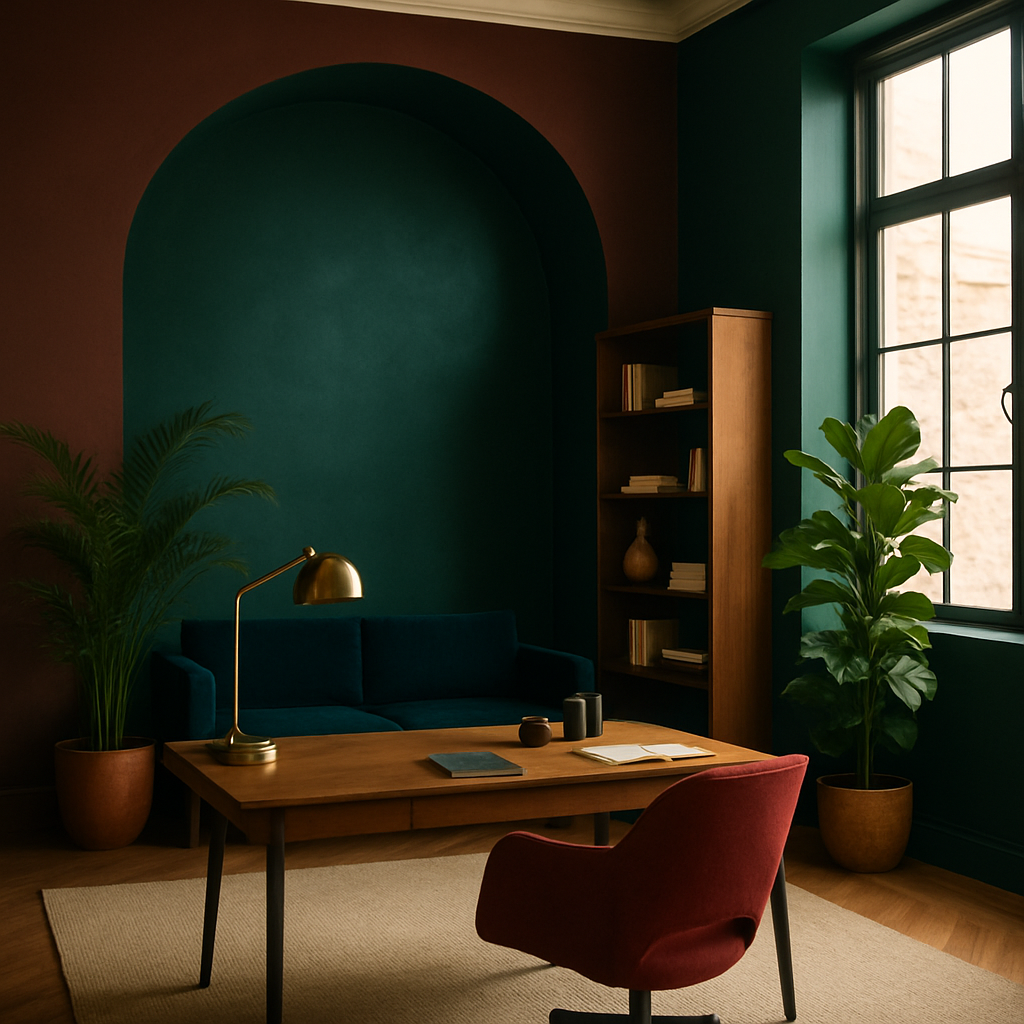
Have you ever walked into an office and felt instantly energized, or conversely, drained? The design of your workspace profoundly affects your productivity. In fact, according to a study by the World Green Building Council, employees in well-designed offices report a 25% increase in productivity. This article will guide you through innovative office interior design ideas that can transform your workspace into a powerhouse of efficiency. We will explore foundational concepts, delve into data-backed strategies, and provide actionable advice to ensure your office not only looks great but functions at its peak.
Understanding the Foundations of Productive Office Design
Before diving into specifics, it's crucial to understand the foundational concepts that underpin productive office design. At its core, effective office design is about more than aesthetics; it's about creating an environment that promotes well-being and efficiency. One key element is natural light. Research from the University of North Carolina indicates that employees exposed to natural light experience increased alertness and mood, leading to higher productivity levels. Therefore, maximizing window space and using glass partitions can significantly enhance your office environment.
Another fundamental aspect is acoustics. Poor acoustics can lead to distractions and decreased focus, impacting productivity negatively. Implementing sound-absorbing materials, such as acoustic ceiling tiles and carpeting, can help mitigate noise levels. According to the American Society of Interior Designers (ASID), optimizing acoustics can improve concentration and collaboration, key components of a productive workspace.
Ergonomics also play a pivotal role in office design. The International Interior Design Association (IIDA) emphasizes the importance of ergonomic furniture, which reduces the risk of musculoskeletal disorders and promotes physical comfort. Adjustable chairs, desks, and monitor stands are just a few examples of how ergonomics can be integrated into office design to improve employee wellness and productivity. As we move forward, let's consider how these foundational concepts translate into real-world applications.
Data-Driven Insights into Office Design
Office design is as much a science as it is an art. Leveraging data to inform design decisions can yield impressive results. According to a survey conducted by Houzz, companies that invested in updated office designs saw a 60% increase in employee satisfaction. This statistic underscores the importance of aligning design choices with employee needs and preferences. Consider conducting an internal survey to gather data on what your team values most in their workspace.
Moreover, integrating biophilic design elements, such as indoor plants and nature-inspired decor, has been shown to increase productivity by 15%, according to the International Journal of Environmental Research and Public Health. These elements not only enhance aesthetic appeal but also contribute to better air quality and reduced stress levels. How can you incorporate more of the natural world into your office?
Smart technology integration is another data-backed strategy to consider. Implementing smart lighting and climate control systems can optimize energy use and create a more comfortable environment. The American Institute of Architects (AIA) reports that smart office solutions can reduce energy costs by up to 30%, freeing up resources for other productivity-enhancing initiatives. Let's explore actionable strategies to apply these insights in your space.
Actionable Strategies for Enhancing Office Productivity
Now that we've covered the basics and examined some data-driven insights, it's time to discuss actionable strategies. Start by conducting a space audit. Map out how each area of your office is used, from where employees meet and collaborate to where they seek quiet for focused work. This exercise can reveal underutilized areas that could be redesigned for better functionality.
Consider adopting a flexible furniture layout. Modular furniture systems allow for quick reconfiguration, enabling spaces to adapt to different functions and team sizes. This flexibility supports varied work styles and can accommodate growth without costly renovations. What flexible solutions could enhance your workspace?
Lastly, focus on creating zones within your office. Designate specific areas for collaboration, quiet work, and relaxation. Experienced professionals often note that clearly defined zones can reduce cognitive load, as employees intuitively know where to go for specific tasks. This zoned approach not only optimizes space but also caters to different working preferences, enhancing overall productivity. Next, we'll dive into expert-level details to further refine your office design.
Expert Insights for Advanced Office Design
For those seeking advanced office design, consider incorporating AR/VR room visualization tools. These technologies allow you to experiment with different layouts and designs before making any physical changes. The National Council for Interior Design Qualification (NCIDQ) highlights AR/VR as a revolutionary tool for interior designers, offering clients a realistic preview that can streamline decision-making.
Investing in quiet luxury and understated elegance can subtly elevate your office space. This trend focuses on high-quality materials and sleek designs that exude sophistication without being ostentatious. According to Architectural Digest's AD PRO, offices that embrace this trend often foster a sense of calm and professionalism, indirectly boosting productivity by creating a refined atmosphere.
Sustainability is another crucial aspect to consider. Using reclaimed materials and energy-efficient fixtures not only supports the environment but can also resonate with employees who value corporate responsibility. As the IIDA notes, sustainable design can enhance brand image and employee morale, both of which are critical to attracting and retaining top talent. Let's further explore how these elements can be integrated into your office.
Deep Dives into Office Design Trends
Exploring deeper into office design trends, the concept of Japandi-an amalgamation of Japanese minimalism and Scandinavian warmth-has gained popularity. This style emphasizes simplicity, functionality, and comfort, creating a serene and clutter-free environment. Implementing Japandi elements can help reduce distractions and foster a focused work atmosphere.
Another emerging trend is the use of agile workspaces. These spaces are designed to be highly adaptable, allowing employees to choose their work environment based on the task at hand. According to an IIDA report, companies that implemented agile spaces saw a 20% increase in employee engagement. How can you make your office more agile?
Finally, consider the integration of community spaces within the office. These areas encourage social interaction and collaboration, which can spark creativity and innovation. Houzz identifies community spaces as a significant factor in employee satisfaction, as they provide opportunities for informal networking and team building. Let's wrap up with some final perspectives on these innovative ideas.
Final Perspectives on Office Design
As we conclude our exploration of innovative office interior design ideas, it's clear that the right design choices can significantly impact productivity. From foundational concepts like natural light and ergonomics to advanced strategies involving smart technology and sustainable materials, each element plays a crucial role in creating an efficient workspace.
Remember, the most effective office design is one that aligns with your company's culture and the specific needs of your team. Whether you're redesigning a single room or an entire building, the principles discussed here can guide your decisions and help maximize productivity. Are you ready to revolutionize your office space?
Conclusion
To sum up, innovative office interior design is a powerful tool for boosting productivity and enhancing workplace efficiency. By understanding foundational concepts, leveraging data, and implementing actionable strategies, you can create a workspace that meets your business's unique needs. Start by browsing portfolios on platforms like Houzz or consulting with certified interior designers to refine your vision. Even dedicating 20 minutes to research this week can sharpen your eye for what your office truly needs. Take the first step toward a more productive workspace today!



Comments
Post a Comment