Maximize Productivity: Essential Elements of Modern Office Interior Design
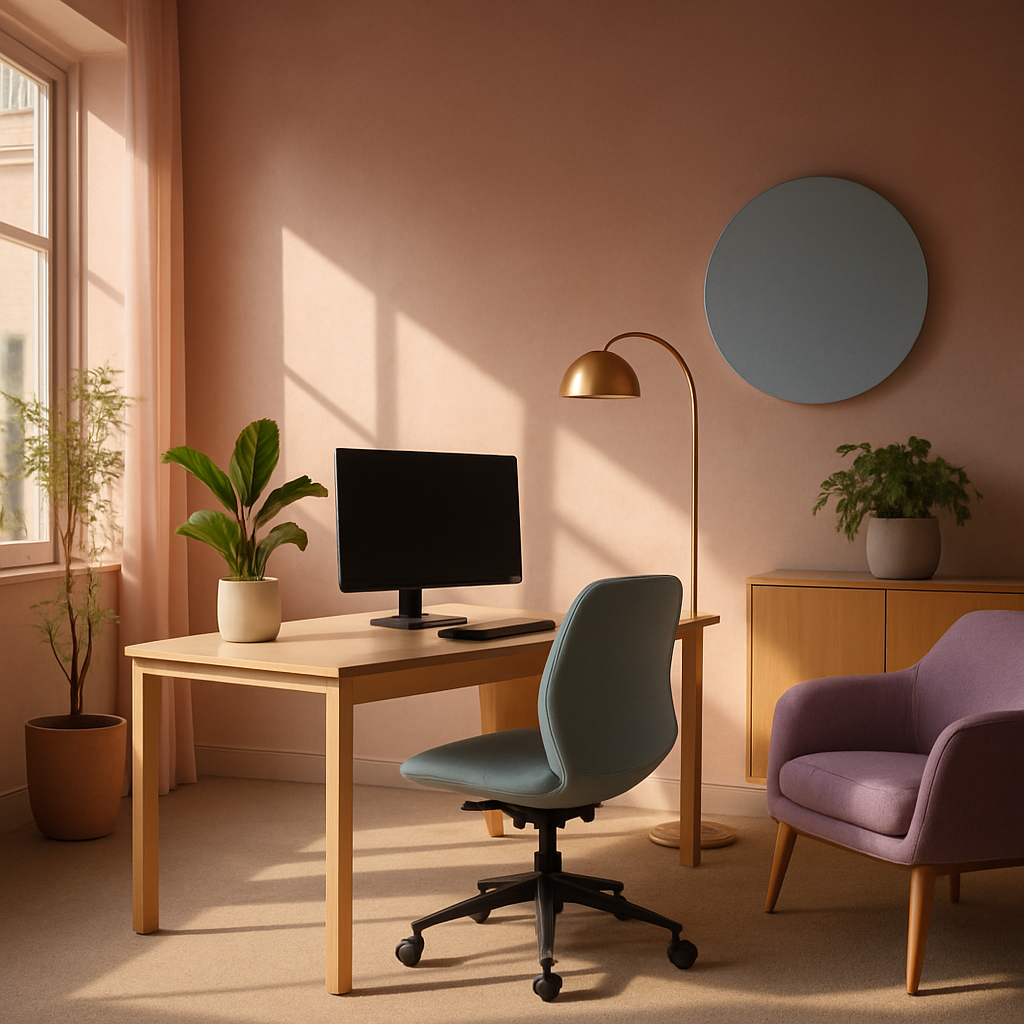
The relationship between workspace design and human performance has never been better understood or more consequential. A landmark 2023 study by the International Facility Management Association (IFMA) found that employees in well-designed offices reported 33 percent higher satisfaction and 21 percent greater productivity compared to those in poorly designed environments, measured by self-assessment and output metrics. These numbers represent real economic value: for a company of fifty people, a 21 percent productivity gain translates into the equivalent of ten additional full-time employees worth of output without a single new hire. The implications for home offices, co-working spaces, and corporate environments are profound and convergent. The American Society of Interior Designers (ASID) has responded by expanding its workplace design curriculum, and NCIDQ-certified designers increasingly specialize in environments where aesthetics and performance are inseparable. Whether you are configuring a spare bedroom for remote work or planning a multi-floor corporate headquarters, the elements that drive productivity are the same: ergonomic furniture, intentional lighting, acoustic management, biophilic integration, spatial organization, and technological infrastructure. This guide examines each element in depth, providing the knowledge needed to design an office that works as hard as the people inside it.
Ergonomic Furniture as the Foundation of Productive Workspaces
Ergonomics is not a luxury upgrade; it is the baseline requirement for any workspace where people spend more than two hours per day. The human body did not evolve for prolonged sitting, and the consequences of ignoring this biological reality include chronic back pain, repetitive strain injuries, decreased circulation, and the cognitive fog that accompanies physical discomfort. A task chair that supports the lumbar curve, allows seat height and depth adjustment, provides armrests at elbow height, and tilts to accommodate reclining postures is the single most impactful piece of office furniture. The ASID's workplace design standards recommend investing 25 to 35 percent of the furniture budget in seating, reflecting the chair's outsized influence on daily comfort and long-term health. Quality ergonomic chairs range from $500 for well-designed mid-market options to $1,500 or more for premium models with full adjustability and 12-year warranties.
Sit-stand desks have moved from novelty to standard specification in contemporary office design, supported by research showing that alternating between sitting and standing throughout the day reduces musculoskeletal complaints and increases energy levels. Electric height-adjustable desks allow transitions at the push of a button, eliminating the friction that manual crank desks impose. The desk surface itself should provide enough area for a monitor (or two), a keyboard and mouse, and a small clear zone for writing or reviewing documents, typically 60 by 30 inches as a minimum for single-monitor setups. Monitor arms that clamp to the desk edge free the surface area occupied by fixed monitor stands and allow precise positioning at eye height and arm's length, the ergonomic sweet spot that prevents neck strain and eye fatigue. For home offices where space is constrained, a wall-mounted floating desk with a pull-out keyboard tray and a monitor arm can provide a fully ergonomic workstation in less than eight square feet of floor area.
Beyond the primary workstation, ergonomic accessories complete the physical environment. A footrest supports proper seated posture for shorter individuals whose feet do not reach the floor at desk height. A document holder positioned beside the monitor prevents the repeated neck rotation that reviewing printed material on a flat desk surface demands. An ergonomic keyboard and vertical mouse reduce wrist extension and forearm pronation, the biomechanical culprits behind carpal tunnel syndrome. The total investment in a fully ergonomic home office setup, including chair, sit-stand desk, monitor arm, and accessories, typically ranges from $1,500 to $4,000, a figure that compares favorably to the medical costs and lost productivity associated with a single repetitive strain injury. For corporate offices, the per-workstation budget runs $3,000 to $7,000, with the higher end reflecting commercial-grade furniture rated for continuous multi-shift use. Have you assessed whether your current chair and desk configuration supports your body through a full working day, or does discomfort force you to shift, stand, and stretch as a coping mechanism rather than a choice? That distinction matters, and it begins with furniture that fits the human body rather than demanding the body adapt to the furniture. Ergonomic furniture keeps the body comfortable, but the eyes and brain require a different kind of support, which brings the discussion to lighting design.
Lighting Design That Sustains Focus and Reduces Fatigue
Lighting is the environmental factor with the most direct and measurable impact on cognitive performance, and in the office context, getting it wrong imposes a daily penalty that compounds over months and years. Insufficient light forces the visual system to work harder, accelerating eye fatigue and triggering headaches. Excessive light, particularly from unshielded overhead fluorescents, creates glare on screens and documents that degrades legibility and increases error rates. The Illuminating Engineering Society (IES) recommends 300 to 500 lux at the desk surface for general office tasks, with supplemental task lighting for detail-intensive work like reading fine print or reviewing design proofs. Measuring actual lux levels with a smartphone app (several reliable free options exist) reveals whether a workspace meets this standard, and the results are often surprising: many home offices operate well below 300 lux, particularly those that rely on a single ceiling fixture positioned far from the desk.
Natural light remains the gold standard for office illumination because it provides full-spectrum illumination that artificial sources only approximate. The IIDA's workplace design research consistently shows that proximity to windows correlates with higher job satisfaction, lower absenteeism, and better sleep quality among office workers, the last benefit attributed to natural light's role in regulating circadian rhythm. Positioning the desk perpendicular to a window, so that daylight enters from the side rather than directly behind or in front of the monitor, eliminates both screen glare and the silhouetting effect that occurs when a bright window sits directly behind the user. For rooms without adequate natural light, tunable LED panels that shift color temperature from cool daylight (5000K) in the morning to warm incandescent (2700K) in the afternoon simulate the natural light cycle and support the body's circadian timing. These panels, available as ceiling-mounted fixtures or desk lamps, range from $100 to $400 and deliver measurable improvements in alertness and evening sleep onset.
Task lighting provides the focused illumination that ambient lighting cannot deliver without over-lighting the entire room. A high-quality desk lamp with adjustable brightness, color temperature, and arm position allows the user to direct light precisely onto the work surface without spilling it onto the monitor screen. LED desk lamps with built-in dimming and a CRI (Color Rendering Index) above 90 produce light that renders colors and text with near-daylight accuracy, which matters for anyone working with design, photography, or printed documents. Indirect ambient lighting, bounced off the ceiling or wall rather than aimed directly at the occupant, fills the room with soft background illumination that prevents the eye from constantly readjusting between a bright desk surface and a dark peripheral field. This layered approach, combining natural light, tunable ambient panels, and an adjustable task lamp, creates a lighting environment that sustains visual comfort and cognitive focus across the full working day. Does your current workspace require you to squint at the screen or shield your eyes from glare at any point during the day? If so, the lighting layer needs attention before any other design improvement can deliver its full benefit. Lighting sustains the eyes and brain, but the ears require protection too, which leads to the critically undervalued topic of acoustic design.
Acoustic Management for Deep Work and Concentration
Noise is the most frequently cited environmental complaint in both open-plan offices and home workspaces, and its impact on productivity is severe and well-documented. A 2022 study by the British Journal of Psychology found that intermittent speech noise, the kind produced by nearby conversations, phone calls, and video meetings, reduced performance on complex cognitive tasks by 25 to 40 percent compared to quiet conditions. The mechanism is involuntary attention capture: the human auditory system is wired to process speech, and filtering out intelligible conversation demands cognitive resources that are then unavailable for the primary task. The ASID's workplace standards address acoustic performance through three strategies, collectively known as the ABC model: Absorb sound with soft materials, Block sound with barriers and enclosures, and Cover residual noise with consistent background sound that masks speech intelligibility.
Absorption is the most accessible acoustic intervention for both home and corporate offices. Upholstered furniture, heavy curtains, carpeting or rugs, and acoustic wall panels all reduce sound reflection (reverberation) that amplifies and sustains noise within a room. Acoustic panels, available in fabric-wrapped, felt, and wood-slat formats, mount on walls or ceilings and absorb mid-to-high-frequency sound where speech energy concentrates. A home office with hard floors, bare walls, and minimal soft furnishing can reduce its reverberation time by 40 to 60 percent with the addition of a large area rug, a set of four to six acoustic panels, and a heavy curtain on the window. The aesthetic options for acoustic treatment have expanded dramatically: felt panels in geometric patterns, wood-slat panels that evoke Scandinavian design, and fabric panels in custom colors integrate seamlessly into contemporary interiors without the utilitarian appearance associated with studio foam. NCIDQ-certified designers routinely specify acoustic treatments as part of their standard workplace design packages, reflecting the profession's recognition that sound quality is as important as visual quality.
Blocking and covering complete the acoustic strategy. In open-plan offices, partial-height screens between workstations, phone booths for private calls, and enclosed focus rooms for deep work provide the physical separation that absorptive materials alone cannot achieve. At home, closing the office door (if one exists) is the most effective single intervention, and adding a door sweep or weatherstripping to seal the gap at the bottom can reduce sound transmission by 10 to 15 decibels. Sound masking systems generate a consistent, unobtrusive background sound, typically calibrated to match the frequency spectrum of human speech, that reduces the intelligibility of nearby conversations without being consciously perceived by the listener. White noise machines and apps serve this purpose at a fraction of the cost of commercial sound masking systems, and they are particularly effective in home offices where the background is otherwise silent, making every ambient noise more noticeable. The investment in acoustic treatment for a home office typically runs $300 to $1,500, depending on room size and the level of treatment required, a modest expenditure that can recover hours of lost focus every week. Sound management protects concentration, but the visual and psychological environment benefits equally from the strategic introduction of natural elements, the subject of the next section.
Biophilic Office Design for Well-Being and Creativity
The application of biophilic design in office environments draws on the same scientific foundation as residential biophilic practice but carries additional performance implications that make it a strategic investment rather than a decorative afterthought. A widely cited study by Human Spaces, conducted across 7,600 office workers in 16 countries, found that employees in offices with natural elements reported 15 percent higher well-being and 6 percent higher productivity than those in environments devoid of nature. The study identified natural light, indoor plants, views of nature, and natural colors and materials as the four most impactful biophilic interventions, in that order. The IIDA has integrated biophilic design principles into its workplace certification criteria, and Architectural Digest's AD PRO coverage increasingly positions biophilic offices as the performance standard against which conventional offices are measured.
Plants in the office do more than improve air quality, though they do that as well. Their presence provides visual relief from the flat, uniform surfaces of desks, screens, and partitions, offering the organic complexity that the human visual system craves. A pothos on a shelf, a snake plant beside the desk, and a fern on a filing cabinet collectively transform the sensory character of a workspace for under $100 in plant and pot costs. Larger interventions, such as a living wall panel or a planter divider between workstations, serve dual functions as acoustic absorbers and biophilic elements, consolidating two performance-enhancing strategies into a single design feature. Natural materials in office furniture and finishes, such as a solid oak desk, a wool-felt desk pad, or a cork bulletin board, introduce texture and warmth that laminate and plastic cannot replicate, and they communicate a respect for craft and quality that influences how occupants perceive their own work.
Views of nature through windows are the most potent biophilic intervention, but when windows face urban infrastructure rather than greenery, the indoor environment must compensate. Nature photography or landscape art placed within the line of sight from the primary work position provides a cognitive rest point that screen-fatigued eyes can momentarily engage. Nature-inspired color palettes, featuring greens, blues, tans, and warm wood tones, evoke outdoor environments without requiring actual natural elements. The sound of water, whether from a small desktop fountain or a nature-sound app, introduces the acoustic dimension of biophilia that visual interventions alone cannot address. For home offices, the proximity of a garden or balcony offers an opportunity that corporate offices rarely match: positioning the desk to face a window overlooking plants, even if those plants are just a few pots on a balcony railing, creates a biophilic connection that sustains attention and refreshes the mind throughout the working day. Budget for comprehensive biophilic office design ranges from $500 for a home office to $15 to $50 per square foot for commercial spaces, with the higher end reflecting living wall installations and custom natural-material millwork. Nature restores cognitive capacity, and the final element of productive office design, spatial organization and technology infrastructure, ensures that the restored capacity is directed efficiently toward meaningful work.
Spatial Organization and Technology Infrastructure
The physical organization of an office space determines how efficiently energy and attention move between tasks, and poor spatial logic imposes a friction tax on every activity throughout the day. Zone-based planning, which assigns distinct areas to distinct functions, prevents the task contamination that occurs when one activity's materials encroach on another's space. A primary work zone centered on the desk and monitor handles focused computer work. A secondary zone, perhaps a small side table or a wall-mounted shelf, holds reference materials, a notepad, and a phone for calls and quick tasks. A storage zone, whether a filing cabinet, a closet, or a set of labeled boxes, keeps archived materials accessible but out of the primary field of vision. The ASID recommends maintaining at least 70 percent of the desk surface as clear working area at all times, a discipline that requires sufficient off-desk storage to absorb the materials that accumulate during a typical work session.
Cable management is the unglamorous infrastructure element that separates professional-grade offices from cluttered improvised setups. A tangle of power cords, USB cables, monitor cables, and charger wires beneath and behind the desk creates visual noise that subconsciously signals disorder and erodes the sense of control that productive work requires. Cable trays mounted under the desk, adhesive cable clips along the desk edge, and a single multi-device charging station consolidate the wiring into a managed system that is invisible from the seated position. Wireless peripherals, including keyboard, mouse, and headphones, eliminate three cables from the desk surface entirely, and a single docking station that connects the laptop to monitors, power, and network through a single cable reduces the daily plug-and-unplug routine to a one-second operation. For home offices, a budget of $50 to $150 covers cable management trays, clips, and a docking station that transforms the desk from a cable nest into a clean, focused surface.
Network infrastructure deserves attention because a slow or unreliable internet connection undermines every other productivity investment in the room. A wired Ethernet connection from the router to the desk, even if it requires running a cable through a wall or along a baseboard, provides the consistent low-latency bandwidth that video calls and large file transfers demand. When wired connections are impractical, a Wi-Fi mesh system or a dedicated access point in the office ensures strong signal strength without the dropouts that distance from the main router causes. A UPS (uninterruptible power supply) protects the workstation from power fluctuations and provides ten to thirty minutes of battery backup during outages, preventing data loss and maintaining workflow continuity. The total infrastructure investment for a fully organized and connected home office, covering cable management, networking, and power protection, typically runs $200 to $600, a one-time expenditure that eliminates daily frustrations and positions the workspace for reliable long-term use. Interior designers specializing in workplace environments, typically charging $200 to $500 per hour for office design consultations, can integrate these infrastructure elements into the room's aesthetic plan so that function and form operate as a unified system rather than competing priorities.
Bringing It All Together: A Holistic Office Design Strategy
The six elements examined in this guide, ergonomic furniture, lighting design, acoustic management, biophilic integration, spatial organization, and technology infrastructure, are not independent variables that can be addressed in isolation. They interact in ways that either amplify or diminish each other's effectiveness. An ergonomic chair provides limited benefit if the lighting causes eye strain that forces the user to lean forward and abandon proper posture. Acoustic treatment fails if the spatial layout places the desk directly beside a high-traffic hallway. Biophilic plants lose their restorative effect if they are placed in a dark corner where they languish and eventually die. The holistic approach treats the office as a system where every element supports every other element, and the planning process considers interactions before specifying individual components.
A practical starting point for a holistic office redesign is a needs assessment that ranks the six elements by their current deficiency in the space. Score each element on a scale of one to ten based on your daily experience: How supportive is the furniture? How adequate is the lighting? How disruptive is the noise? How present is nature? How organized is the space? How reliable is the technology? The lowest-scoring element represents the biggest opportunity for improvement and should receive priority attention and budget allocation. Addressing the weakest link first produces the largest marginal gain, a principle borrowed from systems engineering that applies directly to interior design. The NCIDQ examination tests designers on exactly this kind of systemic thinking, ensuring that credentialed professionals approach workspace design as an integrated discipline rather than a collection of aesthetic preferences.
For those undertaking a complete office design from scratch, the recommended sequence is: layout and spatial zones first, then furniture selection, then lighting, then acoustics, then biophilic elements, then technology infrastructure, and finally decorative personalization. This sequence reflects the dependency chain: furniture placement determines lighting requirements, lighting placement affects acoustic panel positioning, and so on. Each decision constrains and informs the next, reducing the total number of possible configurations and preventing the paralysis that arises when all decisions feel equally open. A professional designer can compress a full office design process into three to five consultation hours at $150 to $500 per hour, producing a specification document that covers every element from furniture models to paint colors to cable routing. For a single home office room, the total design and furnishing budget typically falls between $5,000 and $15,000, with the investment repaid through years of enhanced productivity, reduced physical strain, and greater daily satisfaction with the space where you spend a third of your waking life.
Conclusion
Modern office interior design is a performance discipline as much as an aesthetic one, and the evidence supporting its impact on productivity, health, and well-being is robust and growing. The six essential elements explored in this guide, endorsed and refined by professional organizations including ASID, IIDA, NCIDQ, and Houzz, provide a comprehensive framework for creating workspaces that enable rather than impede the work done within them. Every element, from the ergonomic curve of a task chair to the acoustic dampening of a felt wall panel to the restorative presence of a desktop plant, contributes to an environment where sustained focus is possible and physical comfort is the default state rather than a lucky exception. Begin your office transformation by conducting the six-element needs assessment described above, identifying the single weakest dimension of your current workspace. Address that dimension first, using the specific guidance and budget ranges provided in the relevant section of this guide. Then move to the next weakest element, and the next, building a workspace that improves incrementally and intentionally. Consult an NCIDQ-certified designer for a professional evaluation if the scope of work exceeds your confidence, because the return on a few hours of expert guidance far exceeds its cost when measured against years of daily use.



Comments
Post a Comment