Maximize Productivity: Essential Tips for Office Interior Design on a Budget
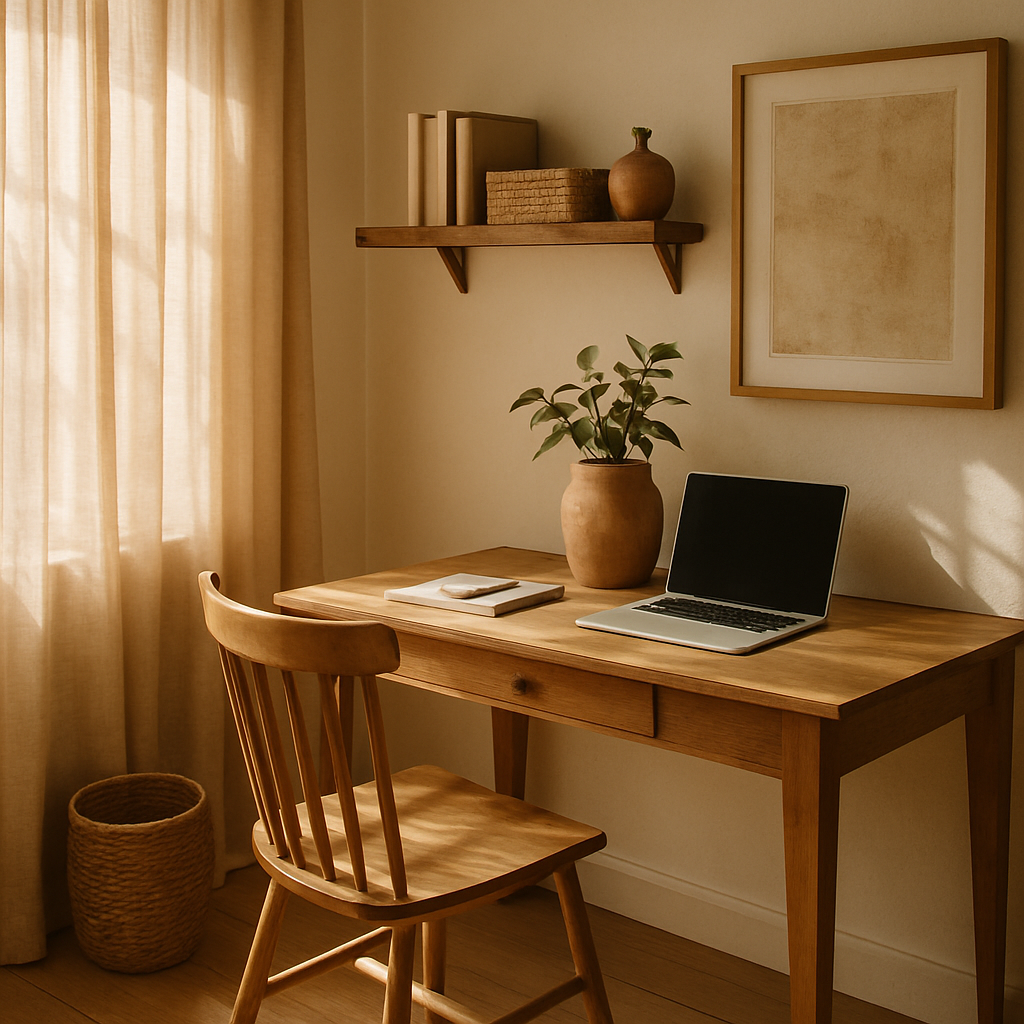
Have you ever walked into an office and immediately felt a sense of calm and focus? Perhaps you noticed the thoughtful layout, the use of natural light, or the subtle color palette that seemed to invite productivity. According to the American Society of Interior Designers (ASID), well-designed workspaces can boost productivity by up to 20%. Designing an office interior that maximizes productivity doesn't have to break the bank. In this article, we'll explore foundational concepts, analyze data-backed strategies, and provide actionable tips to help you design an efficient office space on a budget. Whether you're working from home or revamping a corporate office, these insights will guide you in creating a space that supports your work goals.
Understanding the Basics of Productive Office Design
To create a productive office environment, it's crucial to start with a clear understanding of the foundational elements of interior design. These include layout, lighting, and ergonomics. A well-thought-out layout is essential for optimizing space and ensuring a smooth workflow. Consider how you use your office daily - where you place your computer, how you store your files, and where you take your breaks. This kind of mapping ensures that your office design enhances, rather than hinders, your productivity.
Lighting plays a significant role in productivity. Natural light is best, as it can enhance mood and energy levels. If your office lacks sufficient natural light, opt for LED lights with adjustable brightness to mimic daylight. According to Houzz's annual survey, offices that incorporate ample natural light report higher satisfaction rates among employees.
Ergonomics is another crucial factor in office design. Investing in ergonomic furniture, like adjustable chairs and desks, can prevent discomfort and long-term health issues. The International Interior Design Association (IIDA) emphasizes the importance of ergonomics, noting that ergonomic improvements can reduce workplace injuries by 25%. With these basic elements in mind, you're ready to delve deeper into how they can be applied cost-effectively.
Analyzing Cost-Effective Design Strategies
Designing an office on a budget requires a strategic approach to ensure that every dollar spent enhances productivity. Start by prioritizing changes that offer the greatest return on investment. For instance, rearranging existing furniture can significantly impact without costing a dime. Consider the flow of movement and accessibility to frequently used items to streamline your workspace.
Another cost-effective strategy is to incorporate multifunctional furniture. Desks with built-in storage or foldable chairs can save space and reduce the need for additional pieces. According to Architectural Digest's AD PRO network, multifunctional furniture is a growing trend in office design, particularly in smaller spaces where maximizing every square foot is crucial.
Furthermore, engage in a bit of DIY decor. Simple projects like painting an accent wall with a calming color or crafting your own wall art can personalize your space without significant expenditure. Experienced professionals often note that personal touches in a workspace can boost motivation and creativity. As you explore these strategies, consider how you can implement them to achieve a balance between functionality and aesthetics.
Implementing Actionable Strategies for Office Design
When you're ready to implement design changes, start with actionable steps that align with your budget. First, declutter your workspace. A clean, organized desk is essential for clear thinking and efficient work. Use storage solutions like shelves, bins, or drawer organizers to keep your office tidy.
Next, focus on creating zones within your office. Establish distinct areas for different activities, such as a dedicated desk for work, a reading nook for breaks, or a small conference area for meetings. This zoning helps in mentally separating tasks and maintaining focus. The National Council for Interior Design Qualification (NCIDQ) suggests that zoning can enhance concentration and reduce stress.
Finally, bring in some greenery. Plants not only improve air quality but also add a touch of nature that can be calming and refreshing. Houzz reports that biophilic design, which incorporates natural elements, is linked to increased productivity and well-being. As you finish implementing these strategies, you'll notice a more cohesive and functional workspace.
Expert Insights on Budget-Friendly Office Design
Experienced interior designers often reveal that successful budget-friendly designs come down to a few key principles. First, they emphasize the importance of sustainable materials. Using reclaimed wood or recycled metal not only saves money but also aligns with eco-friendly practices that are increasingly valued in modern design.
Additionally, experts recommend harnessing the power of technology to visualize design changes. Augmented Reality (AR) and Virtual Reality (VR) tools are now accessible and allow you to experiment with different layouts and color schemes before making any physical changes. This technology can prevent costly mistakes and ensure that your design choices are well-suited to your space.
Finally, maintain flexibility in your design plans. Opt for modular furniture that can adapt to changing needs. This flexibility is particularly important in dynamic work environments where team sizes and tasks may evolve. As you incorporate these expert insights, you'll find that even budget-conscious designs can be both elegant and effective.
Exploring Additional Design Considerations
While focusing on productivity and budget, it's important not to overlook the impact of color psychology in your office design. Colors can influence mood and energy levels significantly. For instance, blue is known to enhance focus and efficiency, while green promotes calm and balance. Consider using these colors strategically in your office to support the kind of work you do.
Another consideration is acoustic design. Noise can be a major distraction, so incorporating sound-absorbing materials like carpets, curtains, or acoustic panels can create a quieter, more focused environment. Many businesses have found that investing in acoustic solutions significantly improves concentration and reduces stress levels among employees.
Lastly, consider the role of personal spaces within the office. Even in shared environments, providing employees with personal storage or a dedicated space can enhance their sense of ownership and comfort. This personal touch can lead to increased job satisfaction and productivity. As you wrap up your design project, these additional considerations will ensure a well-rounded approach to office design.
Final Perspectives on Office Design and Productivity
As you conclude your office design journey, remember that a productive space is one that aligns with your work habits and personal preferences. Reflect on which elements have the most significant impact on your productivity. Is it the layout, the lighting, or perhaps the personal touches?
Consider reaching out to professional organizations like the ASID or IIDA for further guidance or inspiration. Their resources can provide valuable insights into the latest trends and best practices in office design. Additionally, browsing platforms like Houzz or Instagram can spark new ideas and help you refine your vision.
Ultimately, the goal is to create a space that not only meets your functional needs but also inspires and energizes you daily. As you prepare to finalize your design, keep these perspectives in mind to maintain a space that supports your productivity and well-being.
Conclusion: Take Action on Your Office Design
In summary, maximizing productivity through thoughtful office interior design doesn't have to be expensive. By understanding foundational design concepts, utilizing cost-effective strategies, and applying expert insights, you can transform your office into a productive haven without overspending. Remember to focus on elements like layout, lighting, ergonomics, and personal touches to create a balanced and efficient workspace.
Now, it's time to take action. Start by decluttering your space and experimenting with furniture arrangements. Consider browsing design portfolios on platforms like Houzz or Pinterest to gather inspiration. Even dedicating a small amount of time each week to this project can yield significant long-term benefits. With these strategies in hand, you're ready to create an office environment that enhances your productivity and satisfaction.



Comments
Post a Comment